
Last updated November 15, 2026
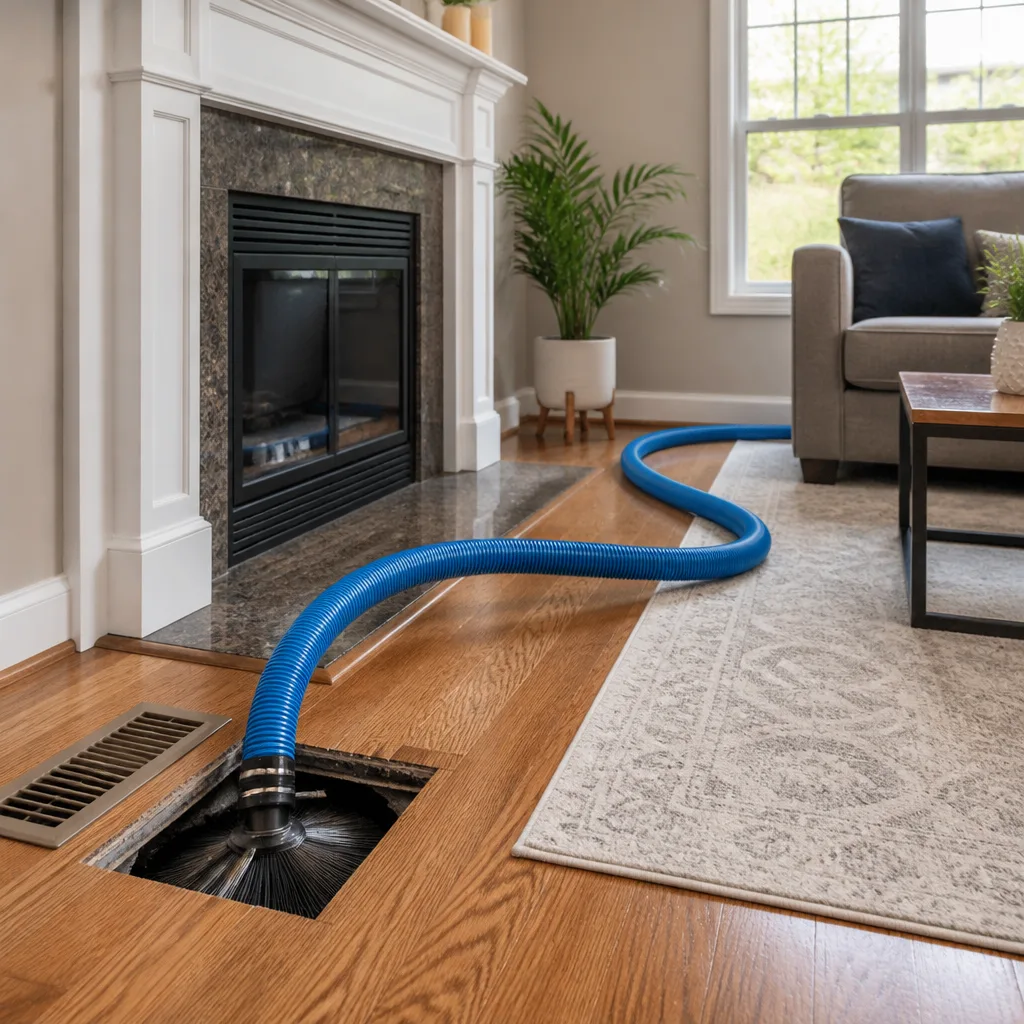 Whole-home duct cleaning
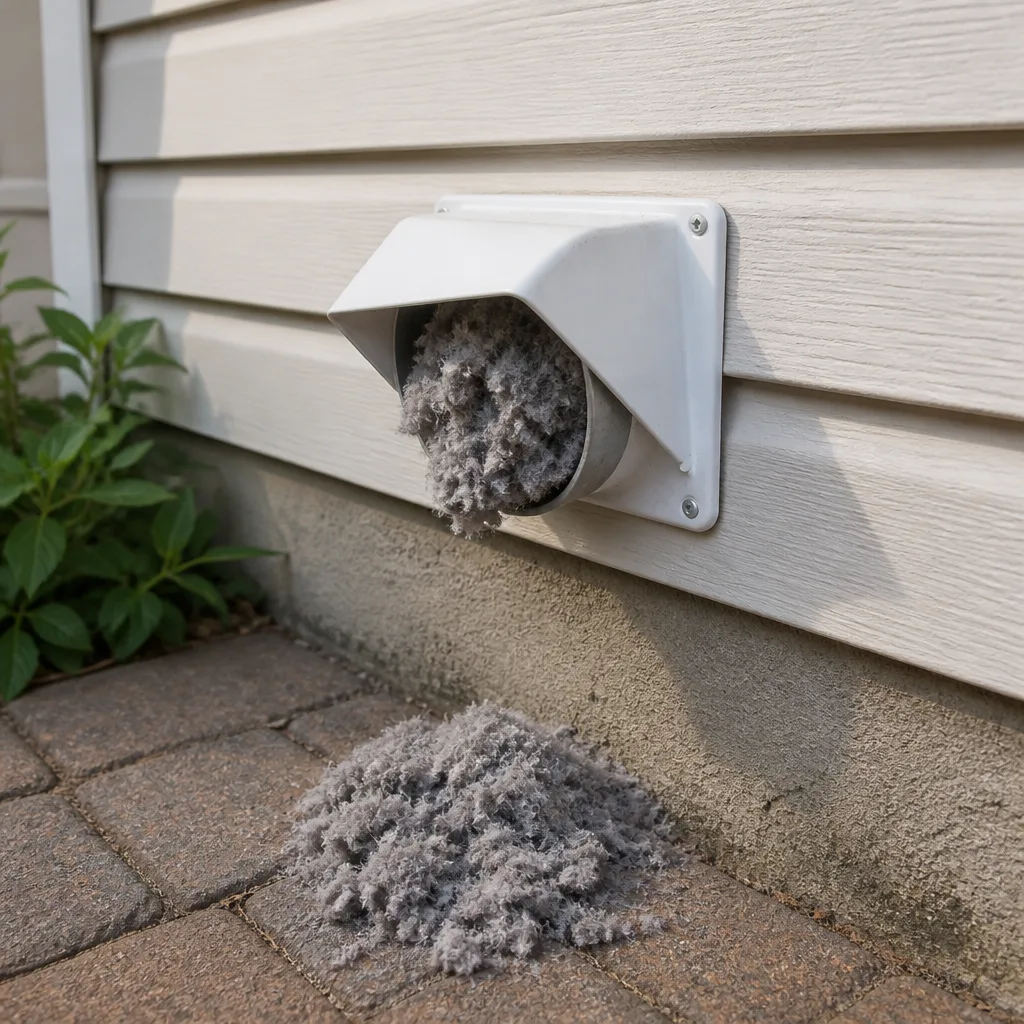 Dryer vent cleaning
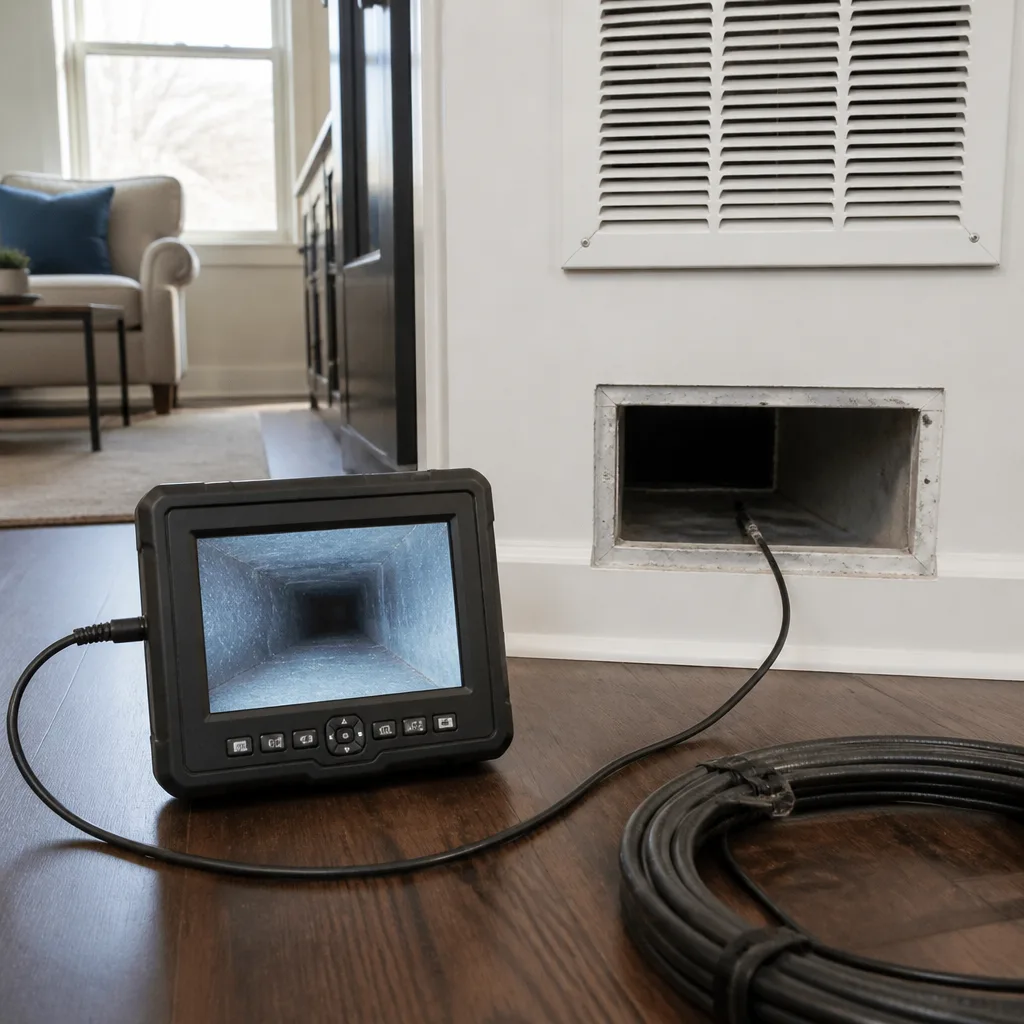 Camera inspection
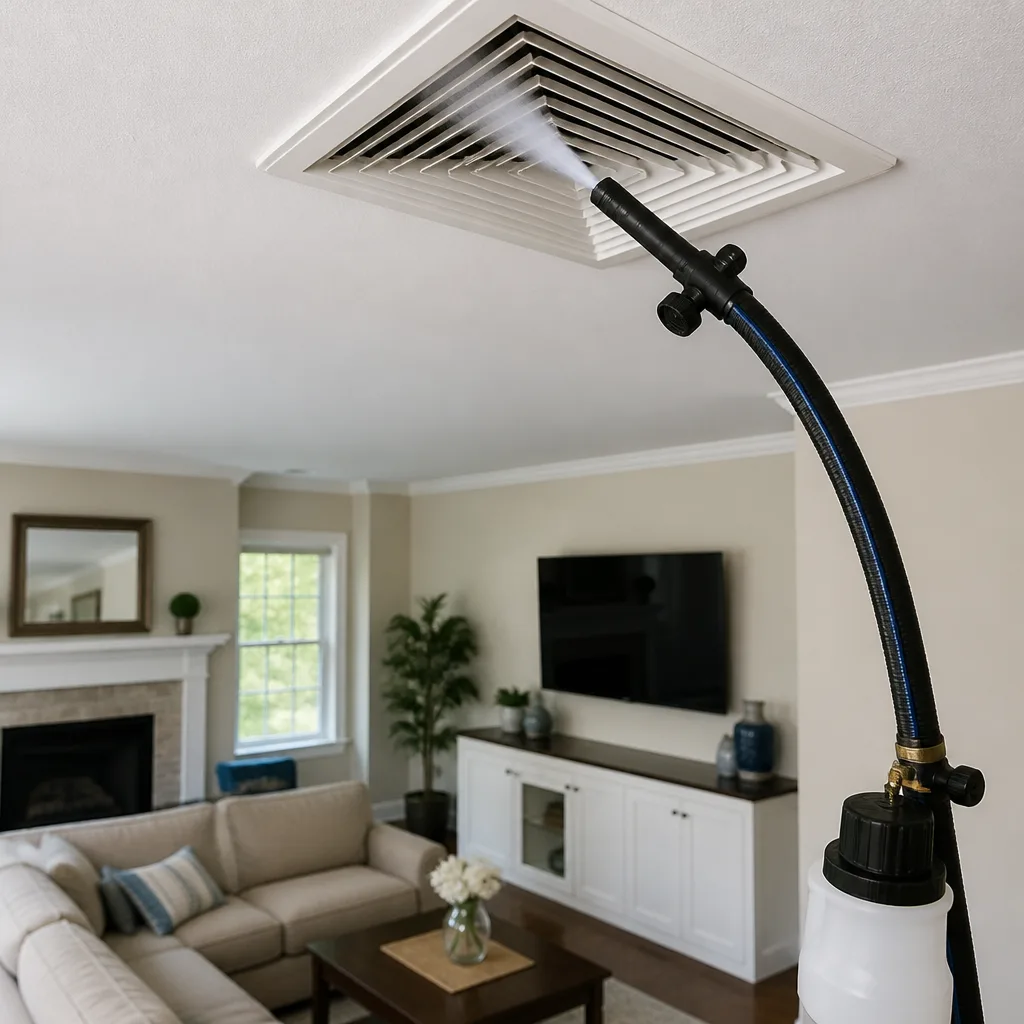 Sanitizing & deodorizing
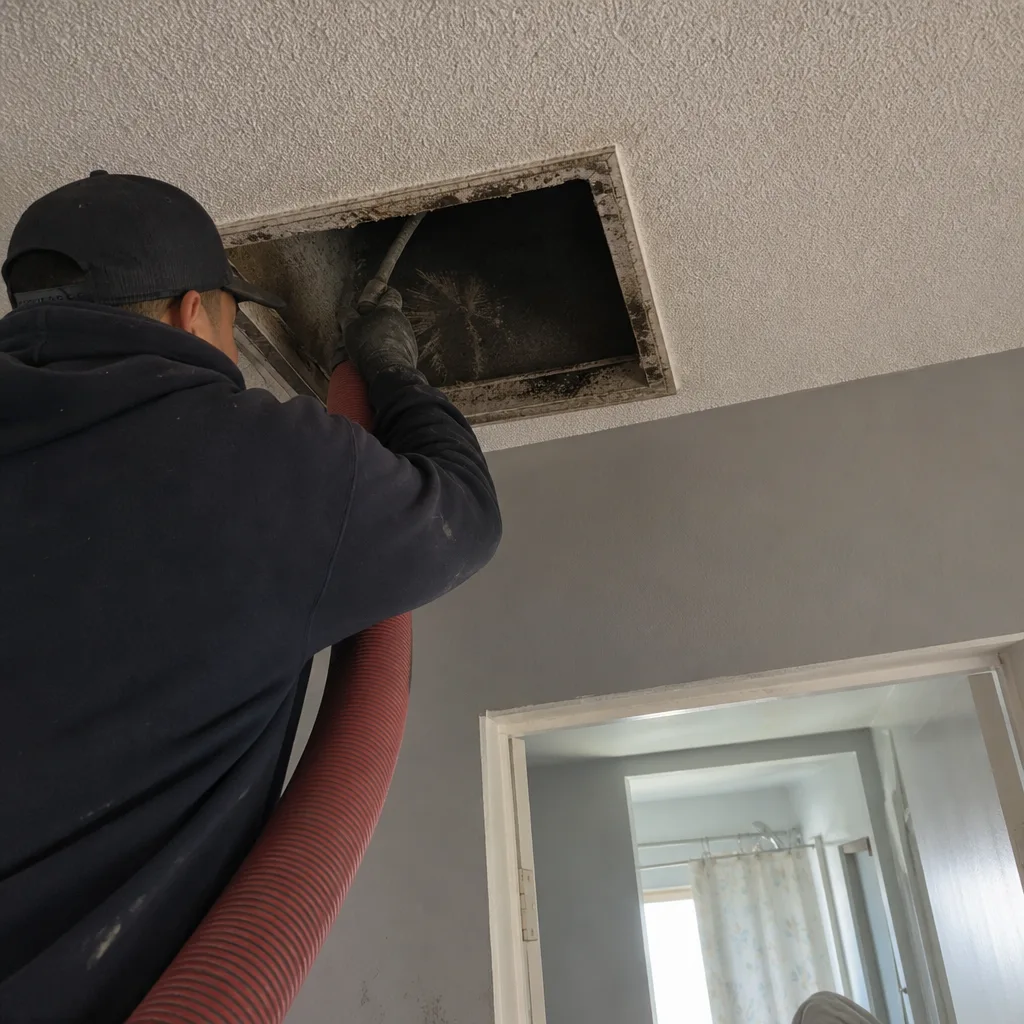
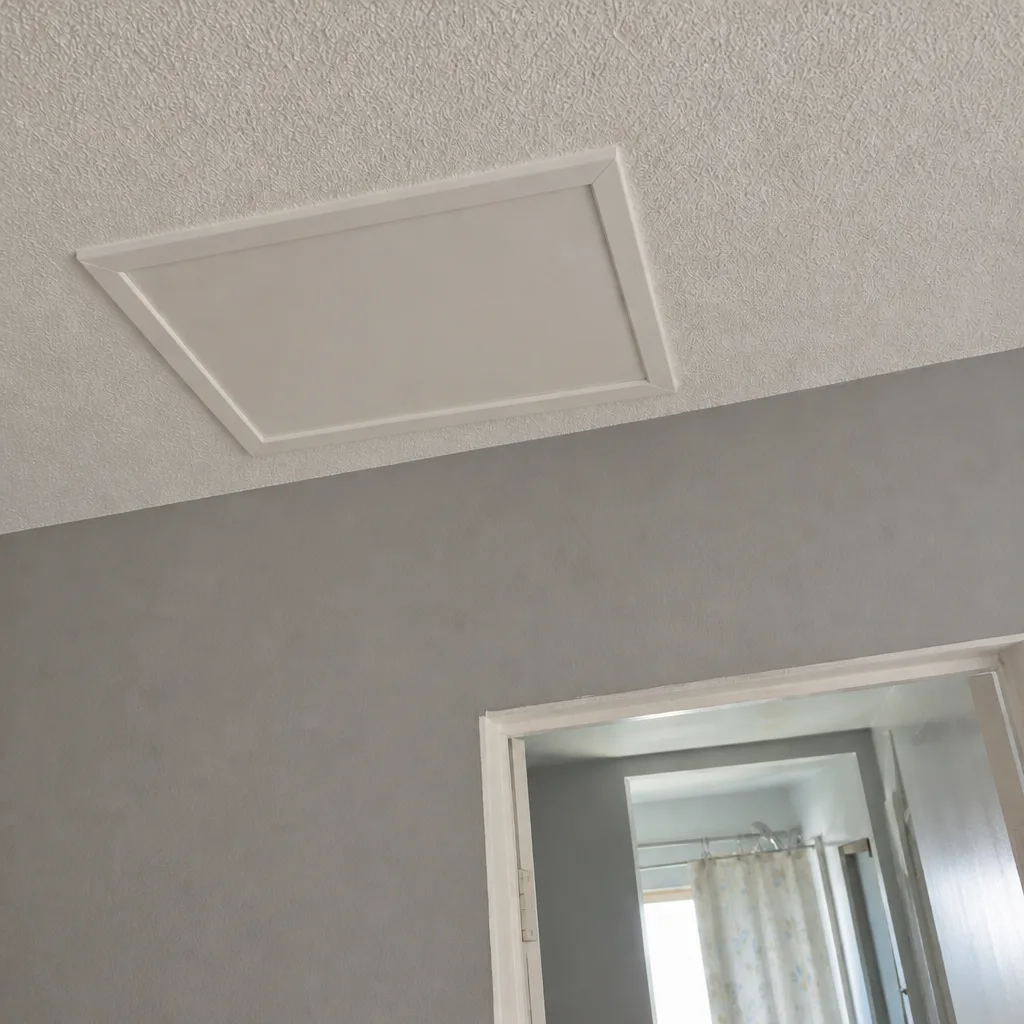
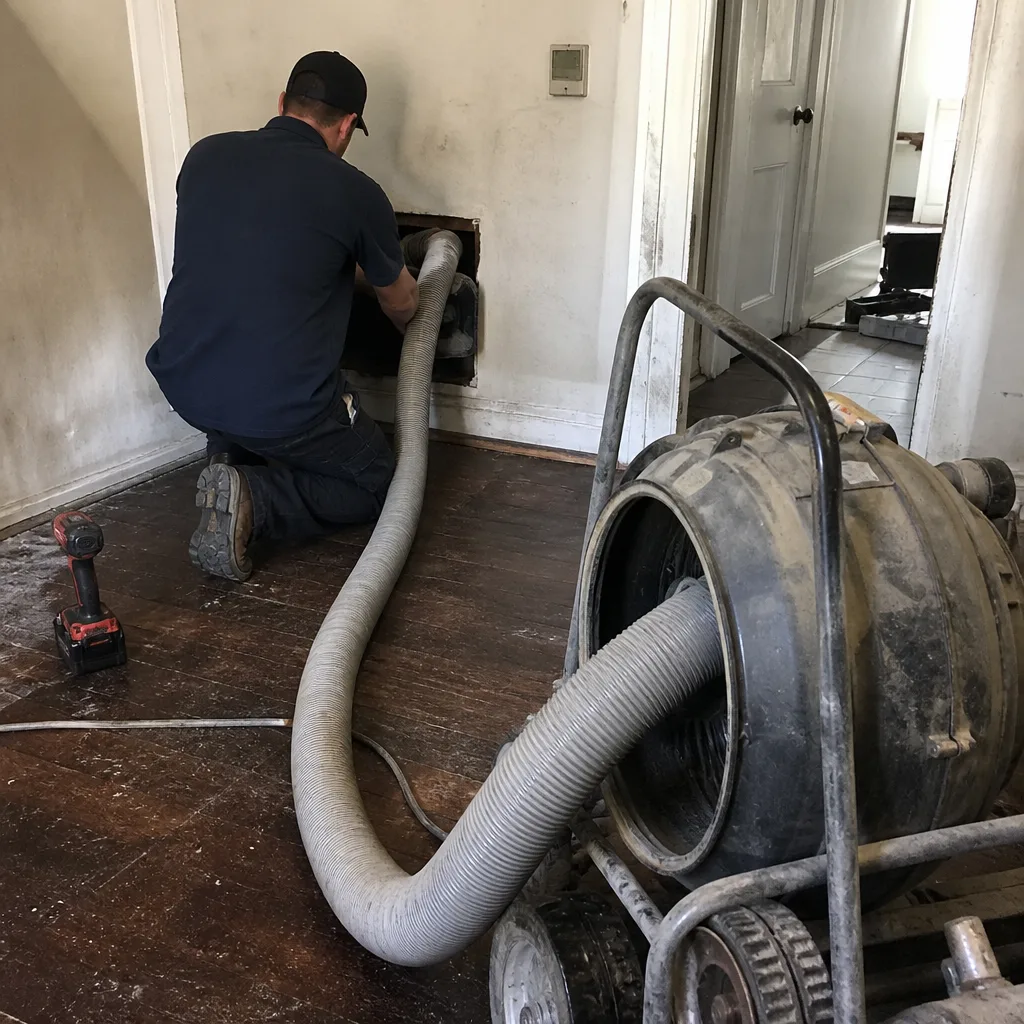
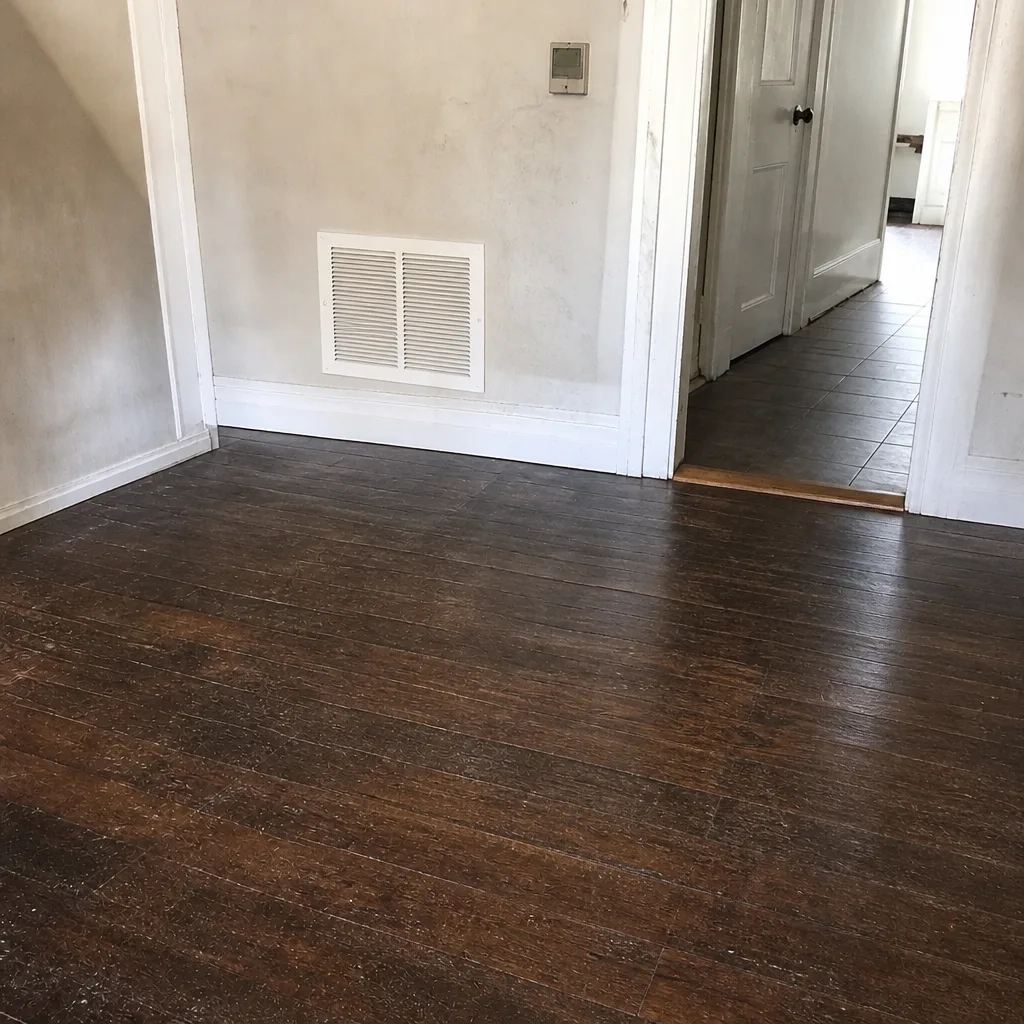
Whole-system duct and dryer vent check with before-and-after photos - you see exactly what came out of your vents
That "$99 whole-house special" is a bait ad - the real number appears once they are in your hallway, or the "clean" is a shop-vac at the register. We photograph the inside of your ducts before and after instead.
Air Duct Cleaning Warning Signs: A Gresham Homeowner’s Reference Guide
Here’s the counterintuitive part most warning-sign articles get wrong: dust blowing from your supply registers right after a cleaning doesn’t mean the cleaning failed. It often means the ducts have a leak drawing in dust from an unconditioned space, and no amount of cleaning will fix a hole. Cleaning addresses what’s inside the duct; repair addresses whether the duct is still a sealed duct at all. Confusing those two problems is where Gresham homeowners lose money and time. This guide maps each warning sign to the specific failure most likely producing it, so you know not just that something is wrong but what to ask a technician to check.
Quick Answer
Air duct cleaning warning signs in Gresham usually trace back to one of four causes: accumulated debris, a duct integrity failure like a leak or disconnected joint, biological growth from moisture, or pest intrusion. Visible dust, musty odors, uneven room temperatures and rising utility bills each point toward a different cause, and matching the symptom to the probable failure tells you whether you need cleaning, repair, or both. Cleaning alone won’t correct a duct that leaks, and repair alone won’t remove debris that’s already settled inside the system.
Styles & brands we work with
- Whole-home duct cleaning
- Dryer vent cleaning
- Camera inspection
- Sanitizing & deodorizing
Table of Contents
- Mapping Symptoms to Probable Causes
- Dirty Ducts vs. Damaged Ducts: Why the Difference Matters
- The Room-by-Room Pressure Test You Can Do
- Why Warning Signs Appear After HVAC Changes
- Mold, Debris or Pest Intrusion: Telling Them Apart
- Dryer Vent Warning Signs Are a Safety Category of Their Own
- How Gresham’s Climate and Housing Shape Duct Problems
- What a Real Inspection Looks Like
Mapping Symptoms to Probable Causes
Most guides give you a list. We prefer to give you the diagnosis chain, because the symptom alone tells you almost nothing until you know what system failure produces it. When you call Duct Cleaning Gresham, the first questions a technician asks are about where and when the symptom shows up, not about how often you’ve had the system cleaned.
Here’s how the common warning signs break down by probable cause:
- Visible dust on registers or furniture days after cleaning: Most likely a return-side leak pulling from an attic, crawlspace or wall cavity. The dust is coming from outside the conditioned envelope, not from leftover debris. Cleaning won’t fix it; sealing the leak will.
- Uneven airflow between rooms: Usually a disconnected joint, crushed flex run or a damper stuck in the wrong position. If one room is always cold while the far end of the house is warm, a leak or restriction is more likely than overall debris load.
- Musty odor when the system starts: Moisture in the system. Could be biological growth inside the coil pan, wet insulation in the air handler, or condensation on a cold duct run. Odor at startup specifically points to something growing inside the equipment or duct, not to surface dust.
- Higher utility bills without a usage change: Leaky ducts forcing the blower to work harder, or restricted ductwork raising static pressure and dropping efficiency. Duct leakage is a common efficiency loss that cleaning alone doesn’t touch.
- Debris blowing out of one register only: Localized debris in that branch, often near a joint that’s separated or a run that’s been crushed during renovation.
Notice that only one of these five is primarily a cleaning problem. The rest are repair and diagnostic problems. That distinction is the spine of everything below. Call (844) 523-1942. We answer 24/7. Fast dispatch from 7am to 7pm, Sunday through Friday.
Dirty Ducts vs. Damaged Ducts: Why the Difference Matters
A dirty duct is a hygiene problem. A damaged duct is an integrity problem. They look similar from the register, they require completely different interventions, and treating one as the other is the most common source of repeat complaints in the air duct cleaning trade.
Dirty ducts mean the interior surface has accumulated dust, debris or biological growth. Cleaning with professional-grade equipment handles this. Damaged ducts mean the duct no longer performs its basic function: carrying a sealed volume of conditioned air from the air handler to the register. Damage includes:
- Disconnected joints where two duct sections have pulled apart
- Crushed or collapsed flex runs, common after attic work or heavy foot traffic
- Punctures and tears from mechanical damage or pests
- Leaks at poorly sealed plenum and boot connections
- Insulation failure that leaves the duct surface exposed to condensation
Cleaning a damaged duct is like mopping a floor with a hole in the ceiling above it. You can do excellent work and the floor gets dirty again the first time the system runs. That’s why we carry Rotobrush and Nikro equipment and treat air duct repair as a core service rather than an upsell. If the inspection turns up a disconnected joint or crushed run, our technicians can diagnose and correct it during the same visit instead of handing you a report and walking away.
Here’s how to tell the difference yourself, without equipment:
- Look at where the dust accumulates. Debris from dirty ducts tends to deposit evenly across registers. Debris from a leak clusters near a specific register, often the farthest one from the air handler.
- Note when the dust appears. If it returns within a week or two of cleaning, the supply is being reintroduced, which points to a leak.
- Check for cold spots along the duct route. If a section of duct is unusually cold in winter, it’s leaking air into the cavity.
- Listen at the registers. A whistling or rushing sound that’s louder at some registers than others suggests pressure imbalance from a leak or restriction.
The Room-by-Room Pressure Test You Can Do
You can measure whether duct leakage is behind hot and cold spots with a simple, safe test. You’ll need one sheet of tissue paper and a few minutes per room.
- Close every exterior door and window in the house. Set the thermostat to run the fan continuously, or turn the system to heat or cool so the blower stays on.
- Go to the room that’s always too cold or too warm. Hold the tissue across the register grille, not touching it, about half an inch away.
- Compare how the tissue reacts in that room to a room that’s always comfortable. In a balanced system, the pull should be roughly similar at each register.
- If the tissue barely flutters in the problem room, that register is under-supplied. The cause is a leak upstream, a crushed run, or a damper closed against that branch.
- If the tissue nearly gets sucked against the grille in the problem room, the register is over-supplied and the imbalance lies elsewhere.
- Repeat at the return grilles. A return that pulls weakly suggests a leak or restriction on the return side, which can cause the whole system to run inefficiently.
This test can’t pinpoint where a leak is, but it can tell you whether leakage is involved at all, which is a large part of the diagnosis. If the tissue response is clearly weak at one register only, that branch needs inspection. If it’s weak everywhere, the problem is at the air handler or the main trunk. The Gresham housing stock includes a lot of 1970s and 1980s construction with original flex duct running through unconditioned attics, and those runs are prone to joint separation over time.
What the Results Mean
Weak airflow at one branch plus visible dust at that same register is the classic signature of a leak or disconnected joint. Weak airflow everywhere plus a musty odor points to a restriction at the air handler or a blower issue. Strong airflow at the register but no cooling or heating performance points to an equipment problem rather than a duct problem. If you get contradictory results, that’s a good reason to have a technician trace the whole system rather than guess.
Why Warning Signs Appear After HVAC Changes
One of the most consistently missed diagnostic clues is timing. Many warning signs appear right after an HVAC system change: a new air handler, a replaced furnace, a repair to the coil or blower, or a thermostat or zoning upgrade. Homeowners tend to blame the new equipment. The real cause is usually ductwork that was already marginal and is now being pushed harder or differently.
Consider what happens when a new air handler goes in. The blower may move more air than the old one. If the duct system was sized for the previous unit, the extra pressure can expose weak joints that were previously sealed by accident or marginal and are now leaking. Crushed flex runs that used to be tolerable become restrictions. Return-side capacity that was barely adequate becomes inadequate. Warnings that appear the week after installation are often the new equipment doing its job and revealing a duct problem that’s been building for years.
- Dust returns immediately after a new air handler install: Likely a return-side leak the new blower is pulling harder against.
- New noise at the registers: Higher static pressure through the same ductwork. Worth checking for restrictions.
- Uneven rooms after an equipment swap: The new system is discovering a balance problem the old one masked.
- Musty odor that wasn’t there before: New equipment installed with a wet coil, or a pan that’s not draining correctly, or condensate finding a low spot in the duct.
When a warning sign shows up immediately after an HVAC change, don’t assume the cleaning is the solution and don’t assume the installer made a mistake. Have the system inspected end to end. The right question is what the new equipment revealed, not what the new equipment broke.
Mold, Debris or Pest Intrusion: Telling Them Apart
These three problems produce overlapping warning signs, but they require different diagnostic approaches and different remediation. Misreading the category is how a homeowner ends up cleaning the same system twice.
Mold
Mold needs moisture, and in an HVAC system that means a wet coil, a backed-up condensate pan, wet insulation or condensation on a cold duct run. The warning signs are a musty smell at startup, visible discoloration at the register, and sometimes recurring allergy symptoms that seem tied to when the system runs. In a Gresham climate with damp winters and shoulder seasons, condensation issues are common. The diagnostic approach is to identify the moisture source before remediation; cleaning a moldy duct without fixing the moisture just gives the mold a clean surface to regrow on. This is where a technician’s familiarity with brands like Aprilaire and Honeywell matters in the broader system, because humidification and dehumidification equipment sits right next to the ductwork and shapes the moisture profile inside it.
Debris
Debris is dry accumulation: dust, construction residue, pet hair, and whatever else settles on the interior surfaces over the years. Warning signs are visible dust patterns, a dusty smell, and registers that look grimy when you take the grille off. The diagnostic approach is to check overall load and origin. Debris in a well-sealed system builds up slowly. Debris that returns in weeks indicates an active re-contamination source, which is a repair problem rather than a cleaning problem.
Pest Intrusion
Mice are the usual culprit, and they leave specific evidence: droppings, shredded insulation, sections of flex duct chewed through, and an odor that’s stronger at some registers than others. Rodents access ducts through attic penetrations and crawlspace gaps. The warning signs tend to include a localized, sometimes sharp smell and a particular register where airflow has dropped dramatically. The diagnostic approach is inspection first, cleaning second, and repair always. A chewed-through flex run needs replacement, and cleaning a duct that has a hole in it doesn’t solve anything.
Getting the category right matters because only debris is primarily a cleaning problem. The other two are diagnosis problems that lead to cleaning plus repair.
Dryer Vent Warning Signs Are a Safety Category of Their Own
We treat dryer vent cleaning as a distinct safety service rather than a cleaning add-on, because the warning signs are different and the stakes are higher. A clogged dryer vent forces hot, lint-laden air through a restricted path, and that’s the mechanism behind one of the more common causes of residential fires.
Watch for these signs:
- Clothes take two cycles to dry when they used to take one
- The dryer body gets hot to the touch during a normal cycle
- The outside vent flap doesn’t open fully or opens only irregularly
- Lint accumulates around the dryer, on the floor or the wall behind the machine
- A musty or scorched smell inside the laundry room during or after a cycle
- The vent run travels a long distance with multiple bends, which increases lint accumulation
If any of these are present, it’s worth having the vent inspected. Manufacturer guidelines for dryers generally call for the vent to be cleaned on a regular schedule, and a restricted vent works against them. Duct Cleaning Gresham handles dryer vent cleaning alongside air duct cleaning, so one visit covers the whole household air and safety picture. If you’re noticing more than one of these signs, call (844) 523-1942 for a free estimate.
How Gresham’s Climate and Housing Shape Duct Problems
Gresham is a wet-climate city, and wet climates produce a particular profile of duct problems that dry-climate guides never address. Our winters are long and damp. Attic humidity climbs. Flex duct running through an unconditioned attic runs cold for months at a time, which is exactly the condition that produces condensation on the duct surface and, eventually, moisture-related growth. That’s why we emphasize moisture-source identification in inspections more than we emphasize dust load.
The housing mix matters too. Gresham has a broad range of home ages and construction types, from older neighborhoods on the west side toward Portland to newer subdivisions on the east side. Older homes were often ducted with systems that were right for the equipment of their era and are under-sized for modern high-efficiency air handlers. Newer homes sometimes have flex runs that were installed tight and fast through attic cavities, with joints that were sealed adequately at install and have loosened slowly over years of seasonal expansion and contraction. In both cases, the warning signs we see most often are the ones that appear at the boundary between cleaning and repair: dust that returns too fast after a cleaning, a musty smell tied to the heating season, and warm-to-cold swings between rooms that pressure testing can confirm is leakage.
One more local note: if you have any indoor air quality equipment in the system, like a Honeywell filtration unit or an Aprilaire humidifier, the ductwork is measured against that equipment’s airflow requirements. A duct restriction that wouldn’t matter in a bare system can cause a filter or humidifier to underperform. If you’ve noticed IAQ equipment running without obvious benefit, ask for a duct inspection.
What a Real Inspection Looks Like
An inspection that only looks inside a register with a flashlight isn’t an inspection. A thorough duct inspection in Gresham covers the full system path, from air handler to each branch, and it should look something like this:
- Visual walkthrough of every register and return. Checking airflow, dust patterns and anything that suggests a leak or restriction.
- Air handler and plenum inspection. Coil condition, condensate pan, insulation in the cabinet, filter seating and any sign of moisture. The plenum is often where leaks start.
- Duct route tracing. Following each run through the attic, crawlspace or wall cavity to find crushed sections, separated joints and pest damage.
- Pressure testing at the registers. Confirming whether airflow is balanced and identifying which branches are under-supplied.
- Odor and moisture check. Distinguishing between dry debris (cleanable) and moisture-related growth (requires a source fix).
- Photo documentation. Before-and-after photos of the system, not just of the register grilles, so you can see what was found and what was done.
We use Rotobrush and Nikro equipment because they give technicians visibility and control inside the duct, not just a rotating brush at the register. That’s the difference between cleaning the visible portion and cleaning the whole system. Combined with repair capability, it means the inspection produces an action, not a report.
Common Mistakes to Avoid
- Assuming cleaning will fix dust from a leak. If dust returns within weeks of a cleaning, the duct has an integrity problem. Cleaning a leaking duct again is a waste of money; find and seal the leak first.
- Blaming new HVAC equipment for signs the ductwork caused. Signs that appear right after an equipment change are usually the new unit exposing a pre-existing duct problem. Have the ducts inspected before pointing fingers at the installer.
- Skipping the return side during inspection. A lot of Gresham duct problems live on the return side, where a leak can pull attic or crawlspace air directly into the system. Cleaning supply branches without inspecting returns misses the source.
- Treating a musty smell as a cleaning problem. Moisture-related growth needs the moisture source identified and fixed. Cleaning without fixing the source just gives the growth a clean surface to return to.
- Ignoring dryer vent warning signs because they seem minor. A dryer that takes two cycles to dry and a vent flap that barely opens are signs of a restricted vent, and restriction is the fire-risk condition. Don’t wait for a worse sign.
- Hiring only for cleaning when the system needs repair. If the inspection finds separated joints or crushed runs, a cleaning-only crew will clean around the problem and leave it. Choose a provider who can repair, not just clean.
- Skimping on documentation. Ask for before-and-after photos of the system. If a provider can’t show you what they found and what they did, you can’t verify the work.
See the difference
 Before
 After
 Before
 After
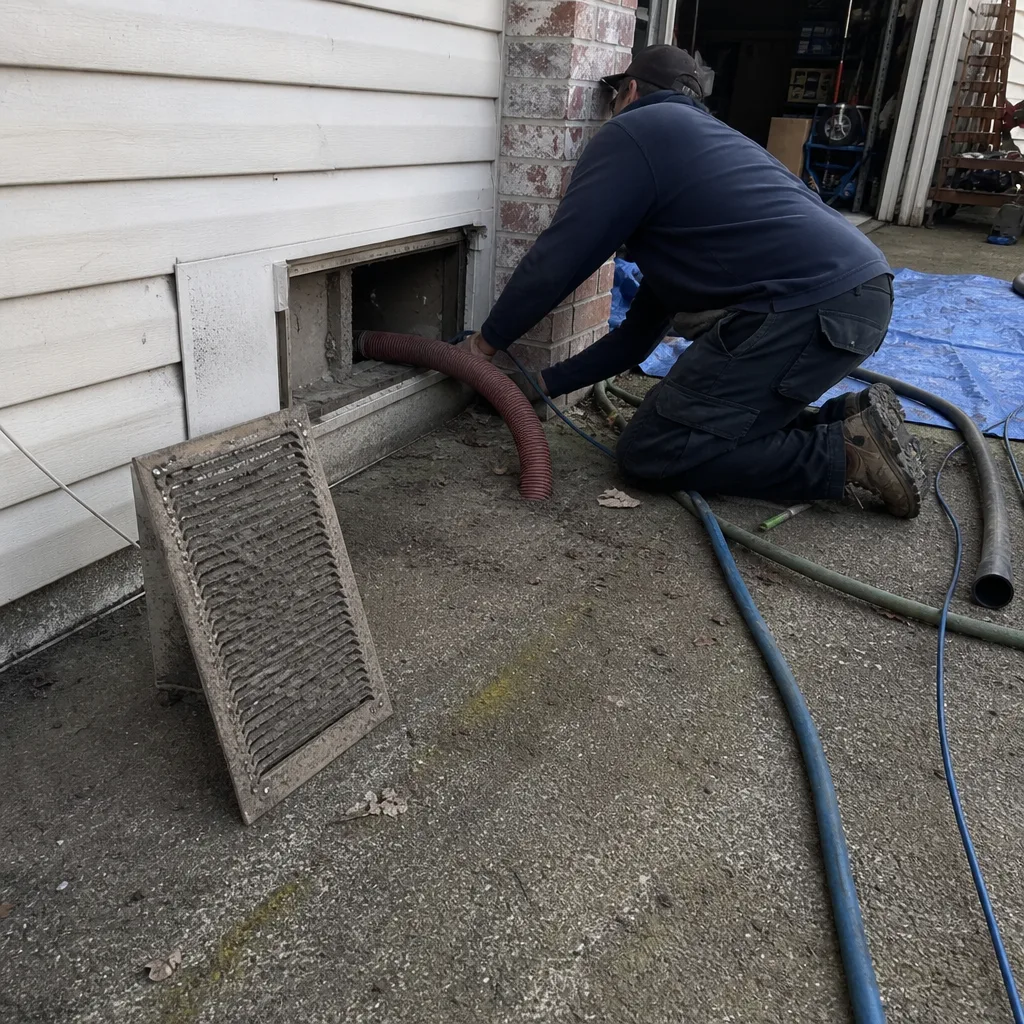 Before
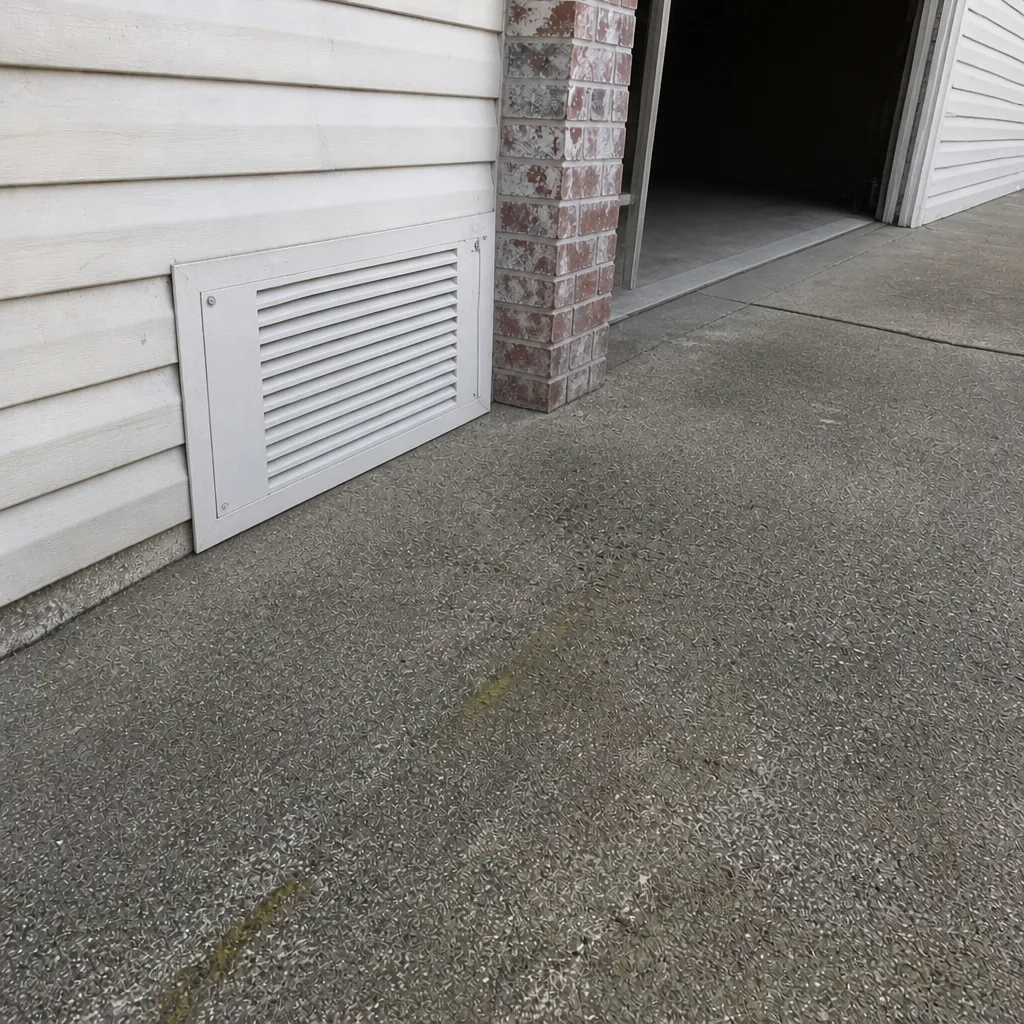 After
When to Call a Professional
You should call an air duct professional if you have dust returning within weeks of a cleaning, uneven temperatures between rooms that pressure testing confirms, a musty smell at system startup, or visible pest damage on flex duct. You should also call if your system is new and something doesn’t feel right, if your dryer takes noticeably longer to dry clothes, or if you’ve never had the system inspected and you’re unsure of its condition. Duct Cleaning Gresham offers free estimates in Gresham, inspection by technicians who can clean, repair and address dryer vent safety in one visit, and a written estimate on one flat price per system before any work begins. Call (844) 523-1942. We answer 24/7. Fast dispatch from 7am to 7pm, Sunday through Friday.
Frequently Asked Questions
Dust that returns to registers within a few weeks of a cleaning is the most reliable warning sign that something beyond debris is happening. In most cases it means a duct has a leak or a disconnected joint, and the system is pulling dust from an attic, crawlspace or wall cavity into the supply. Cleaning alone won’t fix it, but a technician can trace and repair the leak. Call (844) 523-1942 for a free estimate.
Not necessarily, and often the opposite. A cleaning that removes the load from inside the ducts can reveal dust coming from a leak that the cleaning can’t touch. The dust is new, entering from outside the system. If the situation looks like that, the next step is inspection for a leak rather than another cleaning. Call (844) 523-1942 to schedule a diagnostic visit.
Usually not. Uneven rooms are typically a duct integrity or balancing problem, not a cleanliness problem. A quick tissue test at each register will tell you whether airflow is weak at the affected room, and a technician can trace the cause from there, whether it’s a leak, a crushed run or a damper issue. Call (844) 523-1942 to book an inspection.
Smell at system startup is the clearest early signal. Mold produces a musty odor that’s strongest in the first seconds after the blower starts, while plain debris smells dusty and stays roughly consistent. Visual confirmation requires inspection, and any remediation needs the moisture source identified first. Call (844) 523-1942 for a free estimate.
New equipment usually moves air differently than the old unit did, and that can expose duct problems that were masked by the previous setup. The signs aren’t usually a defect in the new equipment; they’re a sign that the ductwork needs attention. A full inspection end to end will clarify what the system change revealed. Call (844) 523-1942 to schedule one.
They’re a separate system but the same visit. A dryer vent that’s restricted by lint is a fire-risk condition, and the warning signs (clothes taking longer to dry, a hot dryer body, a vent flap that barely opens) are distinct from air duct warning signs. Duct Cleaning Gresham handles both, and a single appointment can cover air duct cleaning and dryer vent cleaning together. Call (844) 523-1942.
The Bottom Line
The useful question isn’t whether your ducts have warning signs; most homes eventually will. It’s whether the sign points to debris, moisture, pests or a duct integrity failure. Debris is a cleaning problem, moisture needs a source fix, pest damage requires repair, and leaks or crushed runs need a technician who can actually correct them. Cleaning a damaged duct is a temporary solution. The right provider carries professional-grade equipment, can diagnose the cause, and can repair what the inspection finds. If you’re facing one of these signs, call (844) 523-1942. We answer 24/7. Fast dispatch from 7am to 7pm, Sunday through Friday.
Written by the team at Duct Cleaning Gresham.