
Last updated November 15, 2026
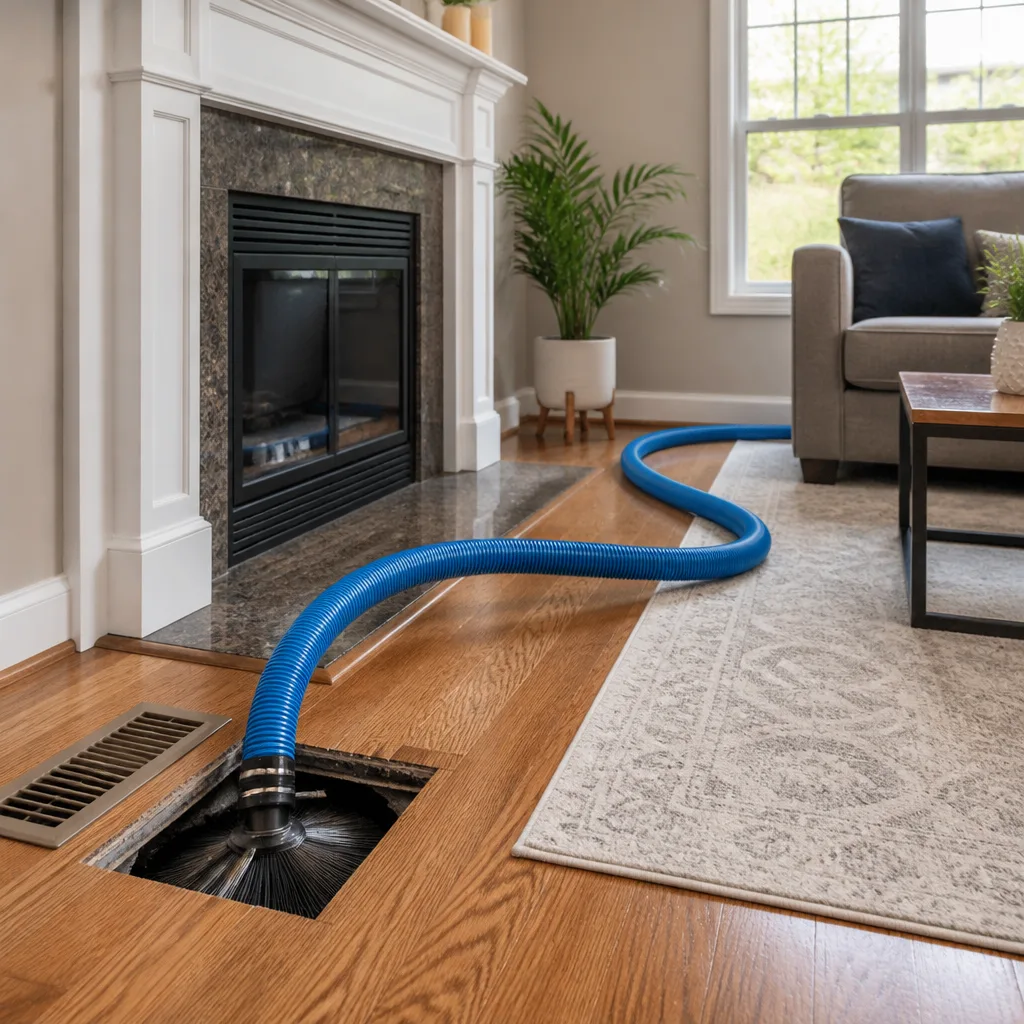 Whole-home duct cleaning
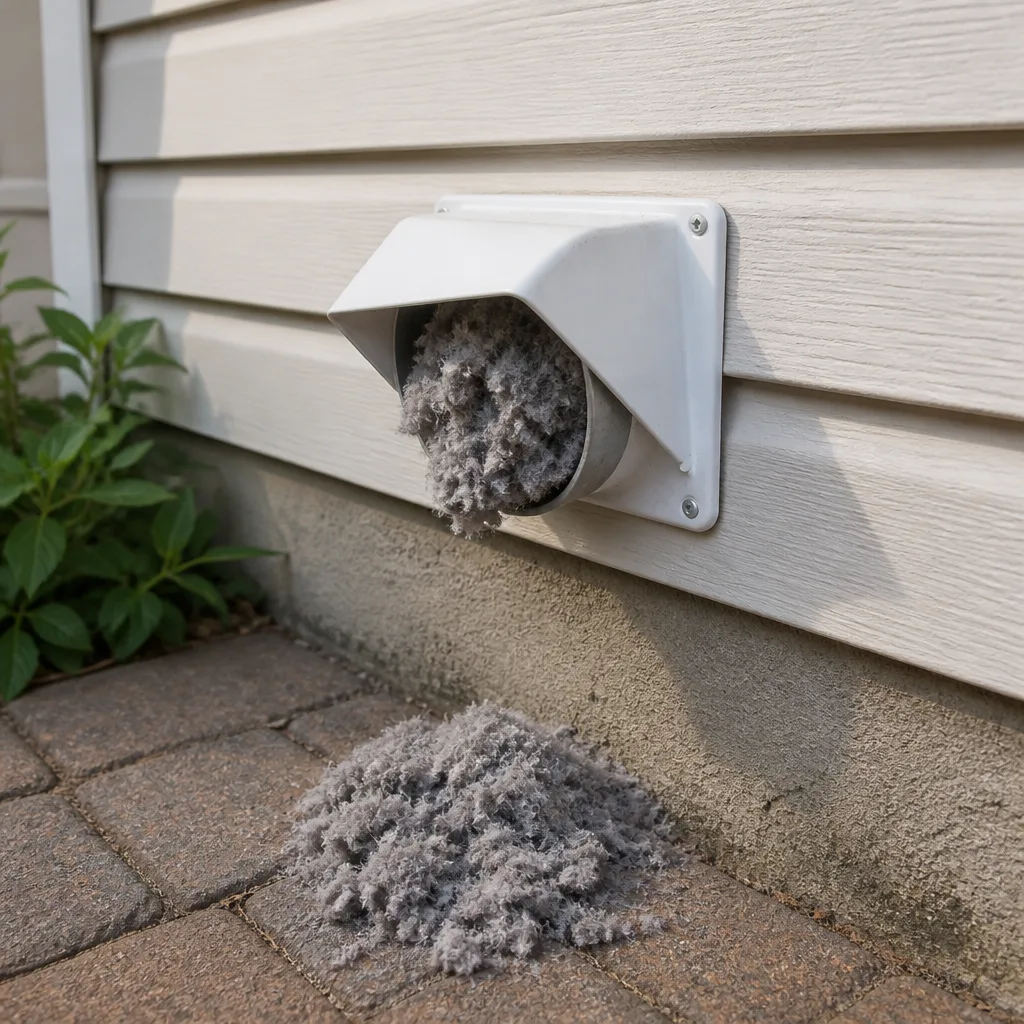 Dryer vent cleaning
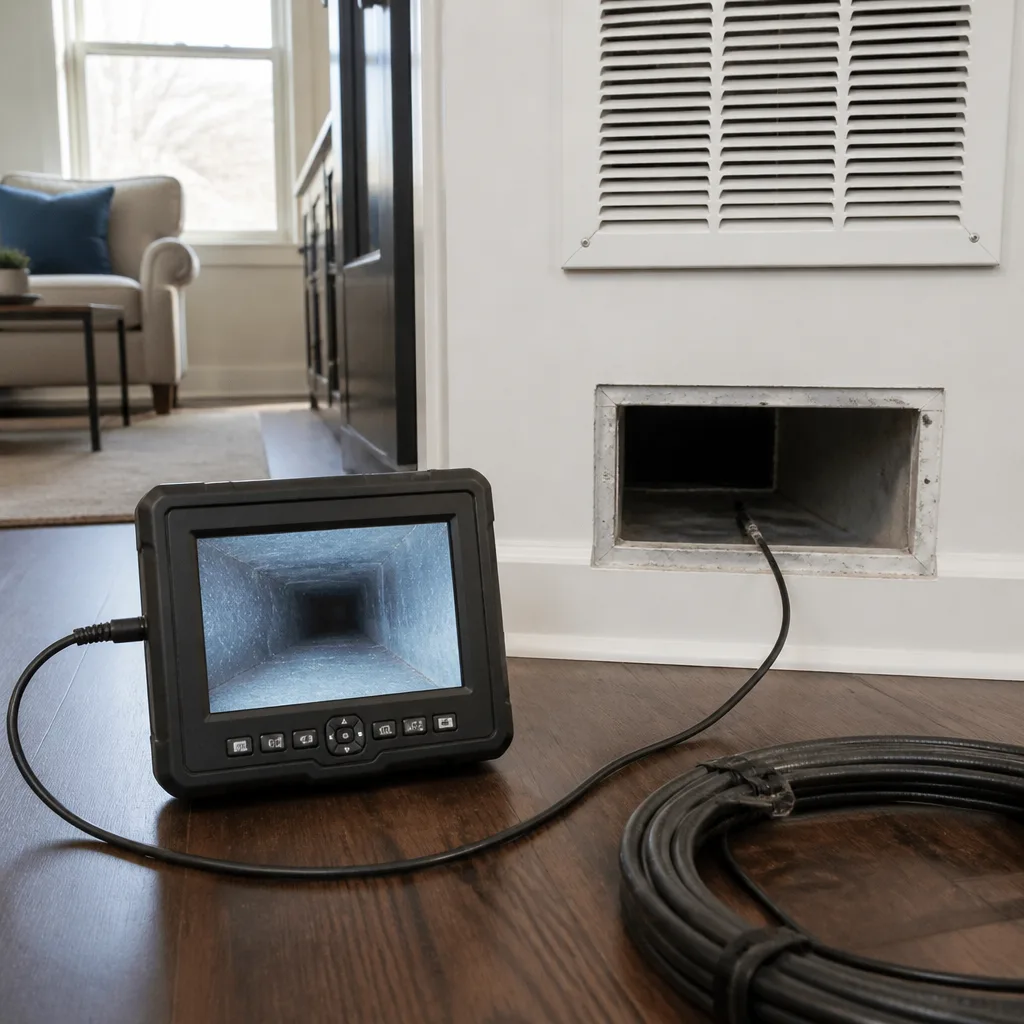 Camera inspection
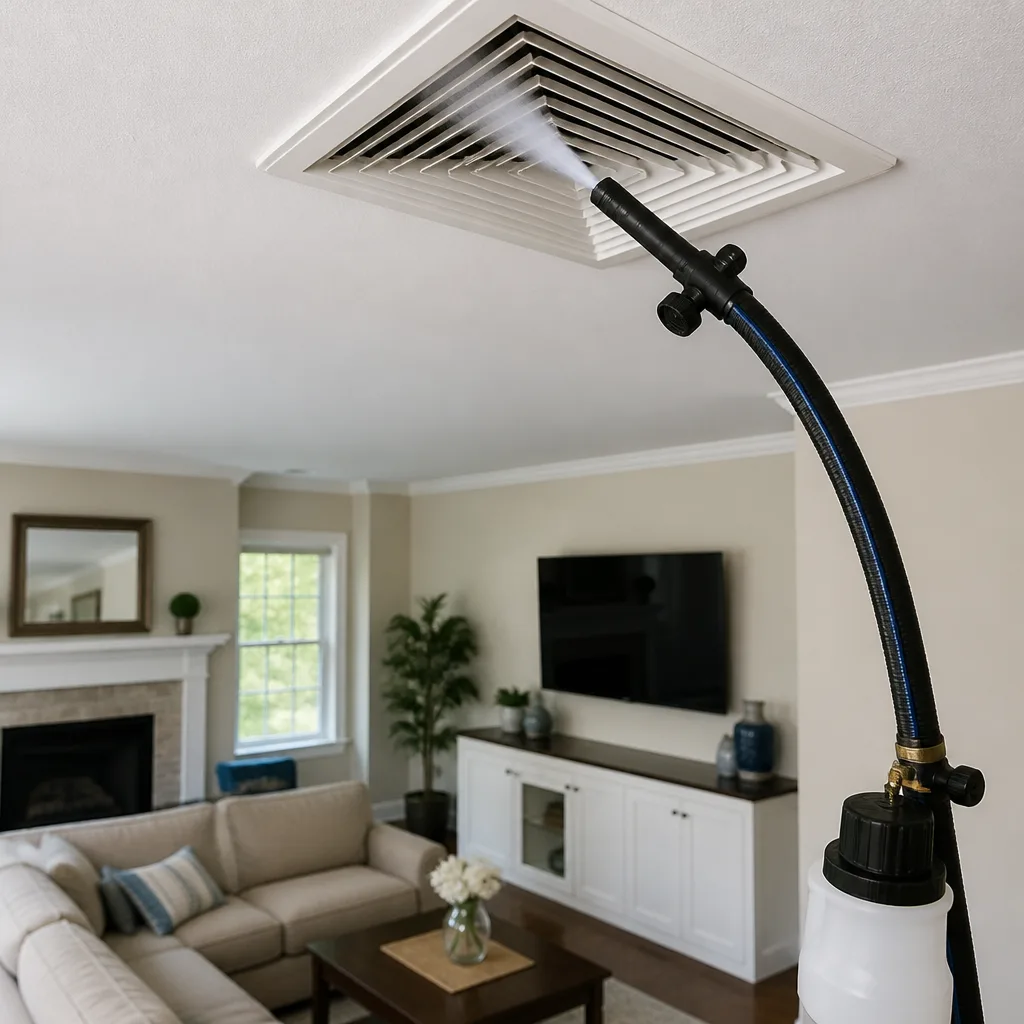 Sanitizing & deodorizing
Whole-system duct and dryer vent check with before-and-after photos - you see exactly what came out of your vents
That "$99 whole-house special" is a bait ad - the real number appears once they are in your hallway, or the "clean" is a shop-vac at the register. We photograph the inside of your ducts before and after instead.
Air Duct Repair Maintenance Schedule: What to Do and When
Flex duct has a working lifespan of roughly 15 to 25 years. In a damp crawlspace under a Gresham home, that clock runs faster. Moisture softens the inner liner, joints loosen, and the wire helix starts to sag long before the duct actually tears open. The part most homeowners never hear is that there’s a maintenance window before failure, and work done inside that window costs far less than emergency replacement. This guide gives you a task-by-task calendar built around how duct systems in Gresham actually age: material-specific inspection intervals, seasonal timing tied to our wet winters and heavy spring pollen, and a simple way to log condition so a technician can spot deterioration as a trend instead of a single snapshot.
Quick Answer
Inspect your duct system twice a year, in October before the heating season and in May after pollen season. Clean the ducts every two to five years depending on household conditions, and check flex duct and crawlspace runs annually because Gresham’s damp climate ages them faster than the manufacturer’s lifespan suggests. Rigid sheet metal needs less frequent inspection than flex or fiberboard duct board, but every material benefits from a before-and-after record so you can track decline over time.
Styles & brands we work with
- Whole-home duct cleaning
- Dryer vent cleaning
- Camera inspection
- Sanitizing & deodorizing
Table of Contents
- Why Duct Maintenance Isn’t One-Size-Fits-All
- Material-by-Material Inspection Timelines
- Seasonal Tasks Tied to Gresham’s Climate
- Crawlspace and Attic Inspection Checklist
- What Preserves Duct Seals and What Breaks Them
- How to Log Duct Condition Over Time
- The Full Maintenance Calendar at a Glance
Why Duct Maintenance Isn’t One-Size-Fits-All
Duct systems don’t fail at random. They degrade on a timeline shaped by three things: what the duct is made of, how well it was installed, and the seasonal stress cycles it lives through. A generic “clean your ducts once a year” reminder ignores all three, and in a place like Gresham that’s a real problem.
Our climate puts unusual pressure on ductwork. Winters are wet and long, which means condensate forms inside and around duct runs in crawlspaces and attics. Spring brings a heavy pollen load that coats return grilles and settles in the system faster than in drier parts of the state. Summer cooling loads are mild, but that lulls homeowners into skipping checks that would catch problems early. By the time a system starts whistling, blowing weak air, or pushing dust into living rooms, the underlying damage has usually been building for seasons, not days.
That’s why a fixed annual reminder falls short. A newer home with rigid sheet metal in a conditioned chase needs a very different schedule than a mid-century ranch with flex duct sagging through a damp crawlspace. If you want the broad picture of how cleaning and inspection fit together, our duct cleaning in Gresham overview covers the systems we see most often. The point is that timing should follow your system’s specifics, not the calendar on a coupon flyer.
We’ve also learned that repair capability matters as much as inspection timing. A technician who can only report a problem leaves you hunting for a second contractor. We repair, not just clean, which means a sagging run or a failed mastic joint gets corrected on the spot rather than documented and handed back to you. That matters for scheduling because it removes the gap between “found the problem” and “fixed the problem.”
Material-by-Material Inspection Timelines
The three duct materials common in Gresham homes age at very different rates, and each fails in its own way. Match your inspection interval to the material you actually have.
Rigid Sheet Metal
Sheet metal is the most durable option and the easiest to inspect. It doesn’t sag and it resists moisture well when sealed properly. Its weak point is at the joints and seams, where mastic and tape do the aging rather than the metal. Inspect rigid metal runs every two years for seam integrity, and check any exterior-wrapped insulation for tears after winter.
Flex Duct
Flex duct is where the timeline gets tight. The inner liner collects dust, moisture weakens it, and the wire helix loses tension over time. Inspect flex runs annually, especially where they pass through unconditioned crawlspaces or attics. Any flex duct that’s sagging, pinched, or showing a torn outer jacket has a problem worth correcting before a full replacement becomes the only option.
Fiberboard Duct Board
Duct board is common in older Gresham homes and in some additions. It insulates well but absorbs moisture and can grow microbial issues when crawlspace humidity spikes. Inspect fiberboard yearly during the wet season, watch for soft spots and water staining, and treat any moisture finding as urgent. Duct board that stays wet doesn’t recover well.
No matter the material, our technicians have up to 15 years of experience reading these systems, and we use professional-grade equipment from Rotobrush and Nikro to inspect and clean without adding stress to aging ducts. For a deeper dive into cleaning specifically, see our air duct cleaning page.
Seasonal Tasks Tied to Gresham’s Climate
Gresham runs on a wet-winter, dry-summer rhythm, and the duct schedule should follow it. Two windows matter most.
The October Pre-Season Check
Before the heating season kicks in, do a full system walkthrough. This is when you’re most likely to catch moisture damage from the wet months and get it fixed before a furnace pushes warm, humid air through compromised ducts all winter.
- Inspect all accessible duct runs, both in the crawlspace and any attic sections.
- Check joints and seams for loose tape or cracked mastic.
- Test air flow at each register while the system runs.
- Look for condensation, staining, or rust near the air handler.
- Replace the filter and note the date.
- Schedule professional cleaning if it’s been more than two years or you’ve had a renovation.
The May Post-Pollen Cleaning Window
Gresham’s spring pollen load is heavy, and a lot of it ends up in return ductwork. Late spring, once the pollen settles, is the right time for a cleaning if you’re due. Doing it in May also clears the system before summer, when a sealed house traps whatever the ducts are holding. If your spring allergies tend to flare indoors, that timing matters. Homes that run Aprilaire filtration or Honeywell air cleaners benefit from coordinating cleaning with filter service so the two aren’t fighting each other.
If you’re in a neighborhood like Centennial, Rockwood, or Powellhurst-Gresham, where mature trees and older housing stock are the norm, the pollen and moisture windows hit harder. Our Gresham service area page lists the neighborhoods we cover and what we typically find there.
Crawlspace and Attic Inspection Checklist
You don’t need to be a technician to spot early warnings. A quick seasonal walkthrough of accessible duct runs, done safely, gives you information worth having. Only check spaces you can safely access with a light and proper footwear, and stay out of any attic or crawlspace that’s not safely navigable.
- Look for sagging. Flex duct should run straight and supported. Sagging means lost tension and likely restricted airflow.
- Check the joints. Run your eyes along every seam. Loose tape, curled edges, or cracks in mastic mean air is leaking.
- Spot moisture. Condensation, dark staining, or musty smells signal a humidity problem the system is fighting.
- Look for pest evidence. Chewed jackets, droppings, or nesting material inside duct insulation.
- Check the supports. Duct straps should be tight and evenly spaced. A run resting on the ground is losing efficiency.
- Photograph everything. A dated photo of each run gives your technician a baseline. Next check, you’ll see the change.
Notice anything that doesn’t look right? Don’t guess or try to repair it yourself.
What Preserves Duct Seals and What Breaks Them
Leaky duct joints waste energy and pull unconditioned air into your system. Whether a seal holds for a decade or fails in a season depends on how the joint was built and how the system gets treated afterward.
What Preserves a Seal
- Mastic over tape. A proper mastic coating on seams and joints outlasts tape alone.
- Support and alignment. Straps evenly spaced keep flex duct from stress-loading its own connections.
- Controlled humidity. Dry, well-drained crawlspaces keep adhesives from degrading.
- Professional cleaning methods. The right equipment cleans without abrading the seal at the joint, which is why we run Rotobrush and Nikro systems rather than rental-grade machines.
What Breaks a Seal
- Heat and cold cycles. Expansion and contraction working on a plastic joint loosens it over time.
- Flexible tape alone. Push tape that only covers the seam and doesn’t bond to clean, dry surfaces fails first.
- Harsh cleaning tools. Aggressive brushing on soft fiberboard or at a joint accelerates failure.
- Moisture sitting on a joint. A joint kept damp by a wet crawlspace loses adhesion entirely.
These are the reasons we check seal integrity every visit. We’re looking at trends, not just today’s condition. A joint that looked fine at the last check but has started to fail points to an underlying moisture or support issue worth fixing.
How to Log Duct Condition Over Time
Point-in-time inspection tells you what your ducts look like today. A log tells you how fast they’re changing, and that’s what matters for timing the next repair. Here’s how to build a record a technician can actually use.
- Number your runs. Walk the crawlspace and attic and label each duct run with a simple tag or a place in a notebook. This makes every future check consistent.
- Take dated photos. Photograph each run at each seasonal check, standing in the same spot.
- Note the date. Record every inspection, cleaning, filter change, and repair.
- Write one-line observations. “Run 3 sagging near vent” builds a reliable history.
- Bring the log to the technician. A technician inspecting a record can spot deterioration trends that a first-visit snapshot would miss.
We’ve found this approach especially valuable in homes with older fiberboard or long flex runs in damp crawlspaces, where a subtle change from one check to the next is the earliest sign of trouble. Our dryer vent cleaning schedule benefits from the same log-and-track approach, since lint buildup follows a similar trend line.
The Full Maintenance Calendar at a Glance
Here’s the whole schedule in one place, keyed to Gresham’s seasons and your duct material.
- Every month: Check and replace filters as needed, note the date.
- Every spring (May): Post-pollen cleaning if due, full inspection pass, photo log update.
- Every fall (October): Pre-heating-season inspection, seal check, condensation check.
- Annually: Flex duct and fiberboard inspection, crawlspace moisture check, duct seal verification.
- Every two years: Rigid sheet metal seam and joint inspection.
- Every two to five years: Professional cleaning, depending on household and renovation history.
- Any time: After a renovation, pest activity, water intrusion, or a move into a home with unknown duct history.
If you run Honeywell or Aprilaire filtration, add filter service to the same schedule so system air quality gear and duct cleaning work together. And if your home runs a specialty air system from Abatement Technologies or Guardsman, note its service points in the same log.
Common Mistakes to Avoid
- Relying on a single annual reminder. Duct condition changes with the seasons, and Gresham’s wet winters age flex duct faster than a once-a-year look catches.
- Treating all duct materials the same. Rigid sheet metal and fiberboard duct board need very different inspection intervals and failure checks.
- Skipping the crawlspace. It’s the space where moisture damage starts, and the space easiest to forget.
- Cleaning aggressively on soft ductwork. Harsh brushing at a weak joint can finish off a seal that had years left. The right equipment matters.
- Ignoring the log. Without dated photos and notes, no one can tell whether a problem is new or simply hasn’t been noticed before.
- Taping over a failing joint as a permanent fix. Tape alone doesn’t hold on damp crawlspace ductwork, and it hides the trend you need to track.
- Putting off dryer vent cleaning. Lint and moisture build up on the same clock as duct dust, and it’s a household fire risk that a quick seasonal check keeps in check.
See the difference
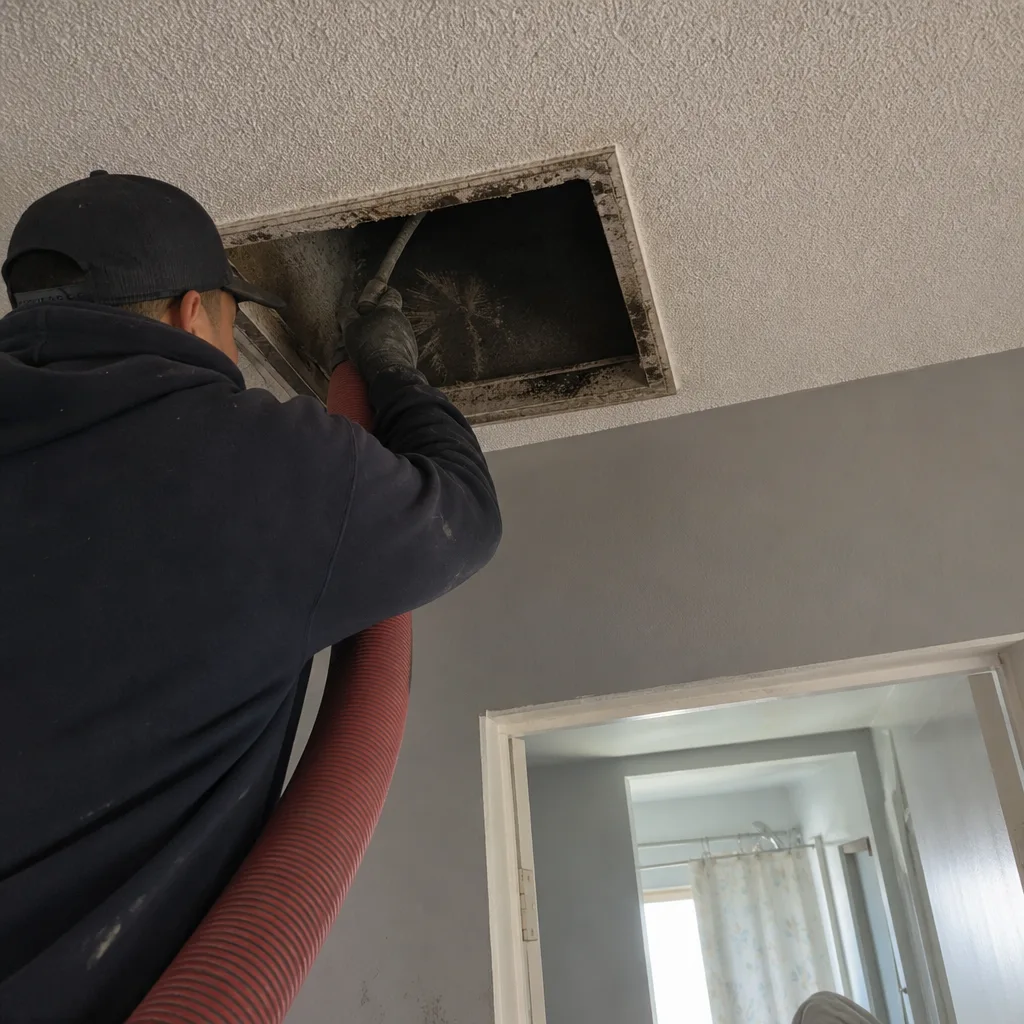 Before
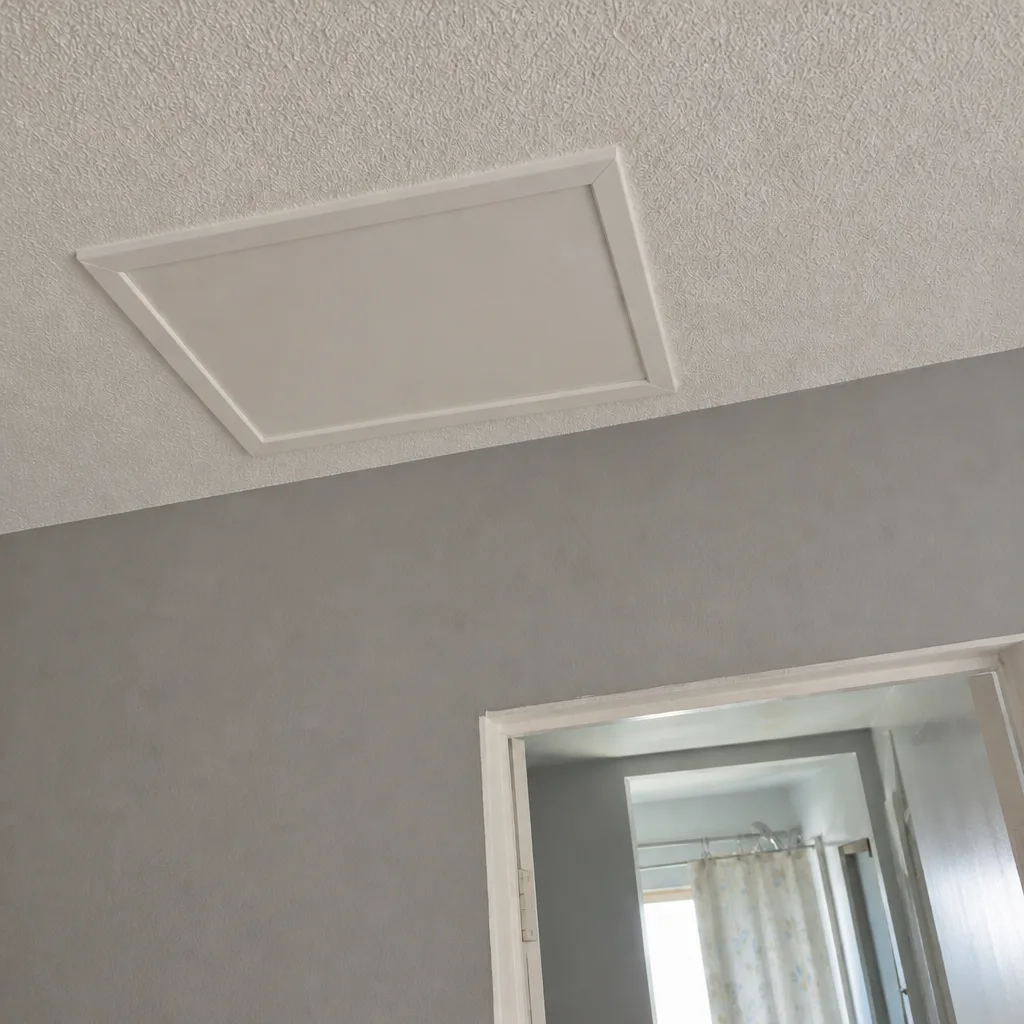 After
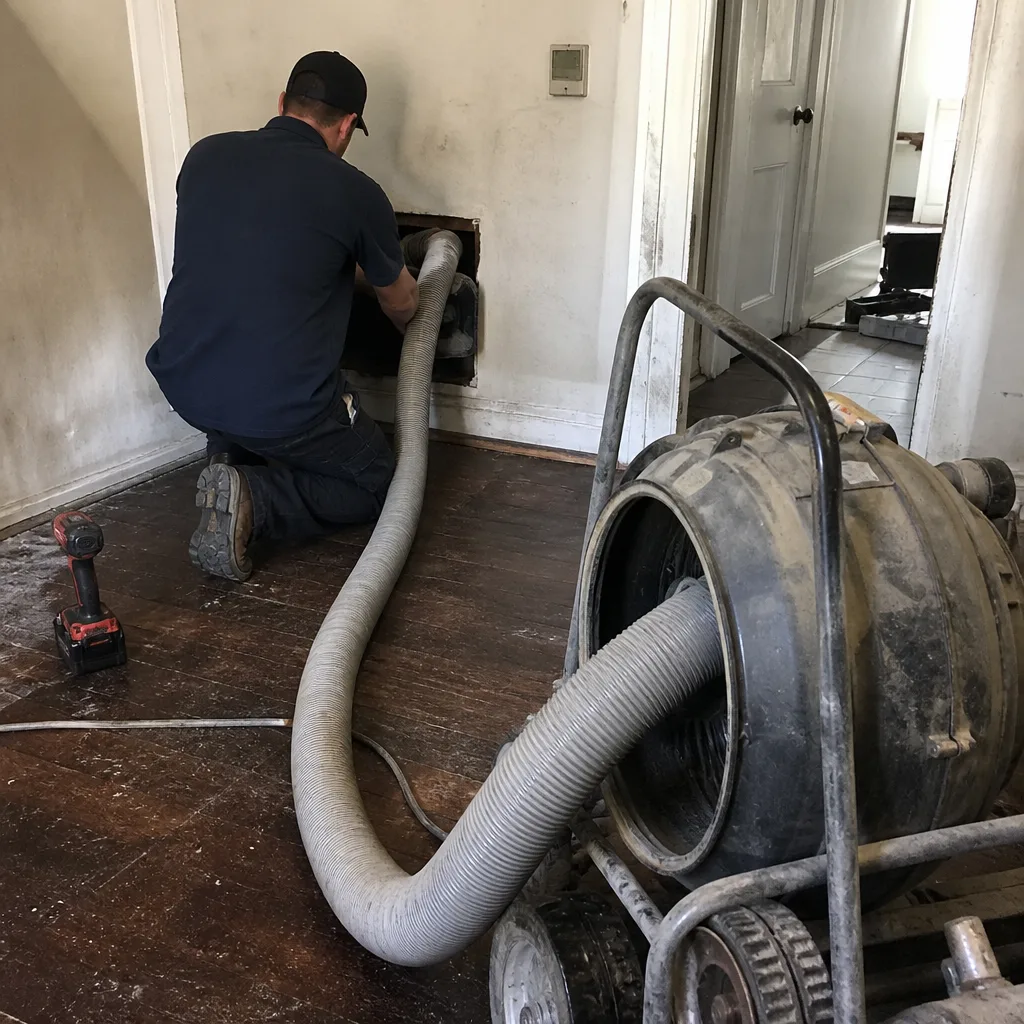 Before
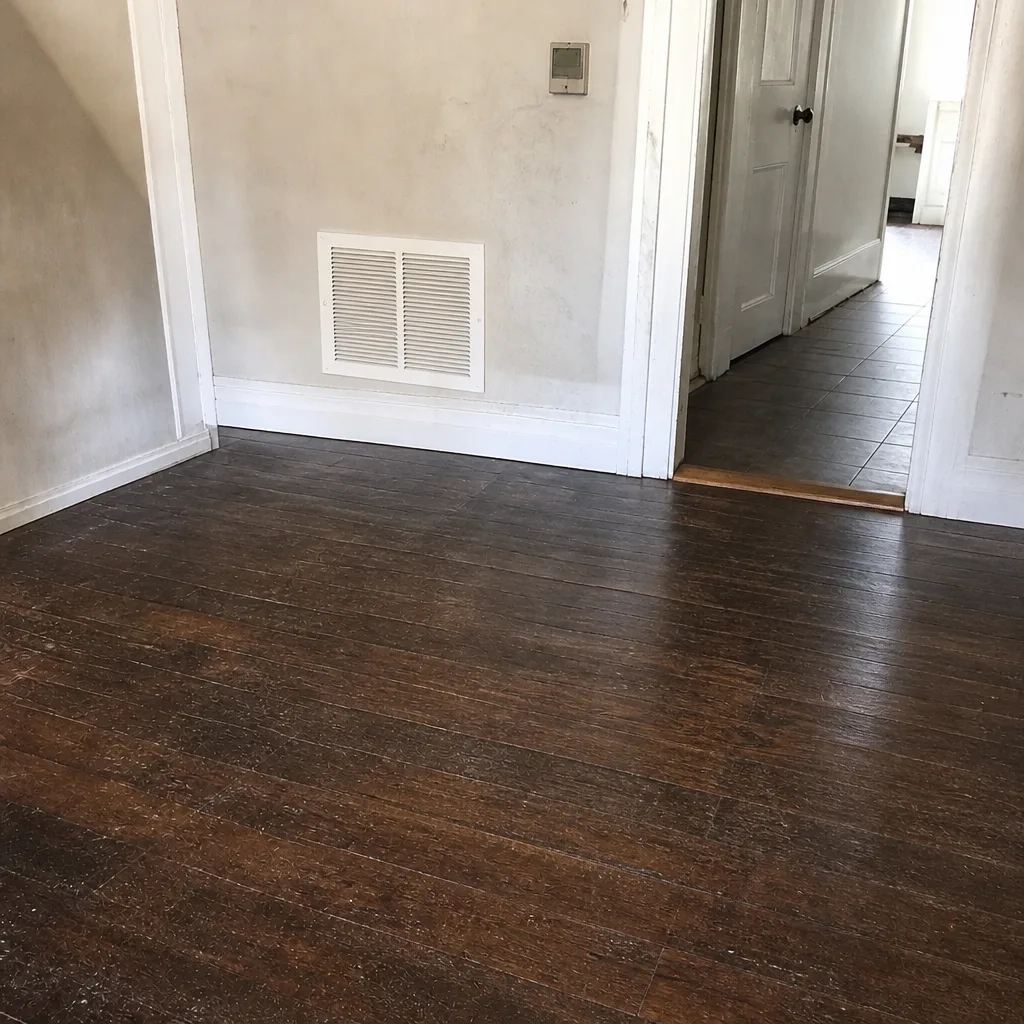 After
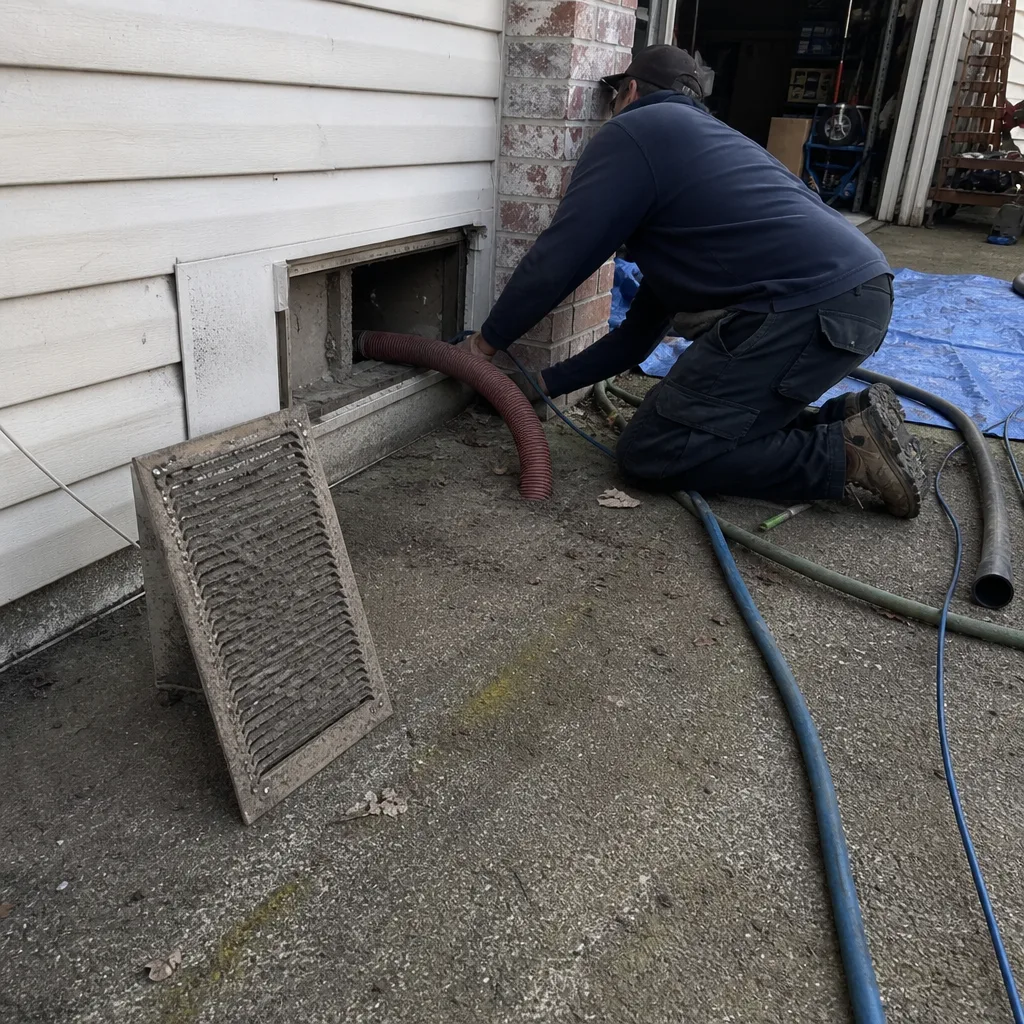 Before
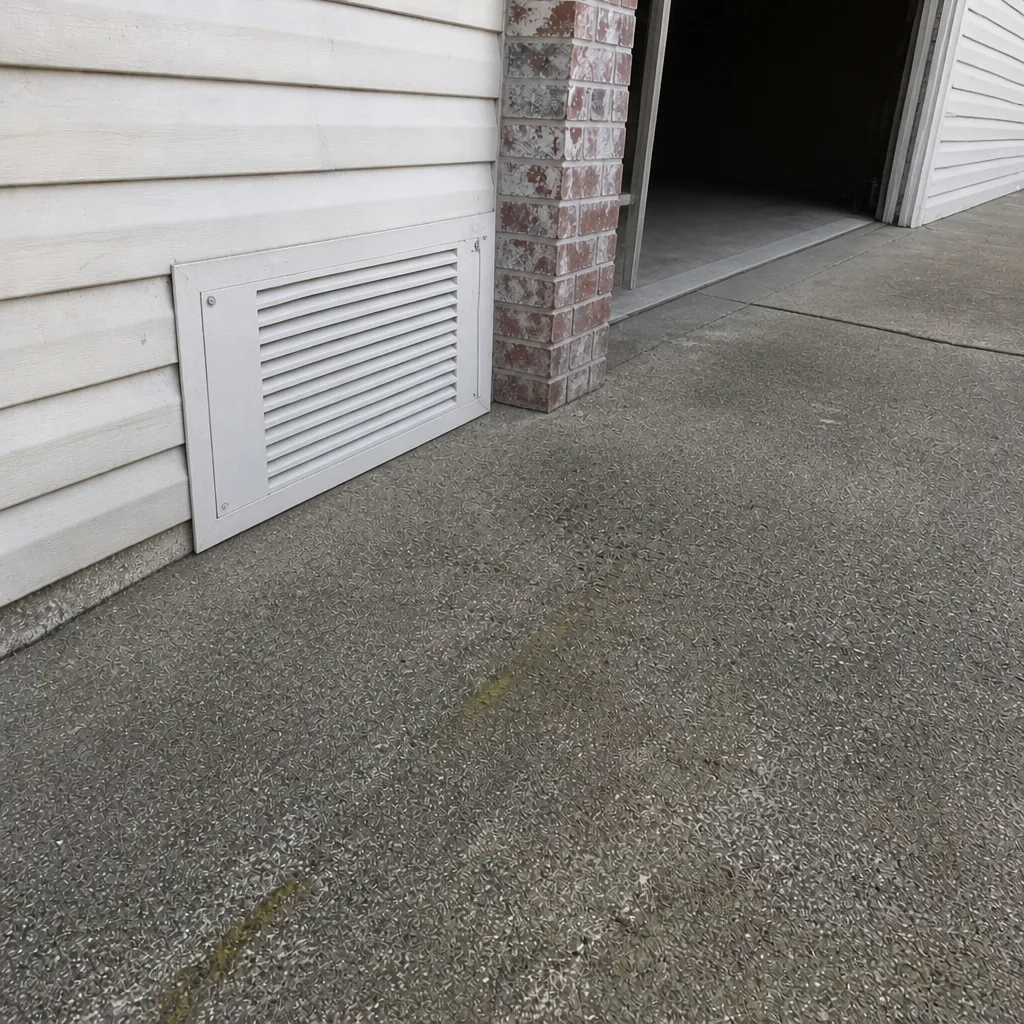 After
When to Call a Professional
Some things are seasonal checks; some need a technician. Call us when you find a torn or sagging duct, visible moisture damage, a failed joint you can’t seal safely, pest damage, or weak airflow at registers that a filter change doesn’t fix. Also call if you’ve had a renovation, a recent move into an older Gresham home, or it’s simply been more than two years with no cleaning. Duct Cleaning Gresham offers free estimates in Gresham and uses professional-grade equipment from Rotobrush and Nikro, plus repair capability so problems get fixed rather than reported. We repair, not just clean. Call (844) 523-1942. We answer 24/7. Fast dispatch from 7am to 7pm, Sunday through Friday.
Frequently Asked Questions
Every two to five years for most Gresham homes, depending on household conditions, pets, and any recent renovation. In older homes or neighborhoods with heavy pollen and damp crawlspaces, lean toward the shorter end. Call (844) 523-1942 for an exact quote; estimates are free.
That’s the typical working lifespan, but damp crawlspaces and attics in Gresham shorten it. Annual inspection is the way to catch decline before it becomes a replacement. Call (844) 523-1942 to schedule an inspection and get an exact quote.
Cleaning removes buildup; repair corrects physical damage like torn jackets, failed joints, and sagging runs. We handle both, so a technician can clean and repair in the same visit. Call (844) 523-1942 for a free estimate.
Ask for before-and-after photos of your own ducts, not generic stock images. A serious provider documents the work on your system, and you’ll have that record to compare against your log. Call (844) 523-1942 for an exact quote; estimates are free.
Yes, but only if the attic is safely accessible. Attic runs see the widest temperature swings and often the first signs of moisture and sagging. If it isn’t safe to access, leave it to a technician. Call (844) 523-1942 to schedule a professional inspection.
It speeds it up. Moisture accelerates degradation of flex duct and fiberboard, so annual inspection beats the manufacturer’s generic interval. Our seasonal October and May checks are built for this. Call (844) 523-1942 for a free estimate.
The Bottom Line
Duct systems age on a predictable schedule tied to material, installation, and local climate. In Gresham, take that schedule seriously: inspect every October and May, clean every two to five years, and keep a dated log of condition so a technician can spot trends rather than guess at single snapshots. Rigid sheet metal tolerates a slower inspection rhythm; flex duct and fiberboard need annual checks. Preserve seals with proper mastic and support, and keep dryer vents on the same maintenance rhythm. When a problem shows up, we repair as well as clean. Call (844) 523-1942 to book a free estimate.
Written by the team at Duct Cleaning Gresham.