
Last updated November 15, 2026
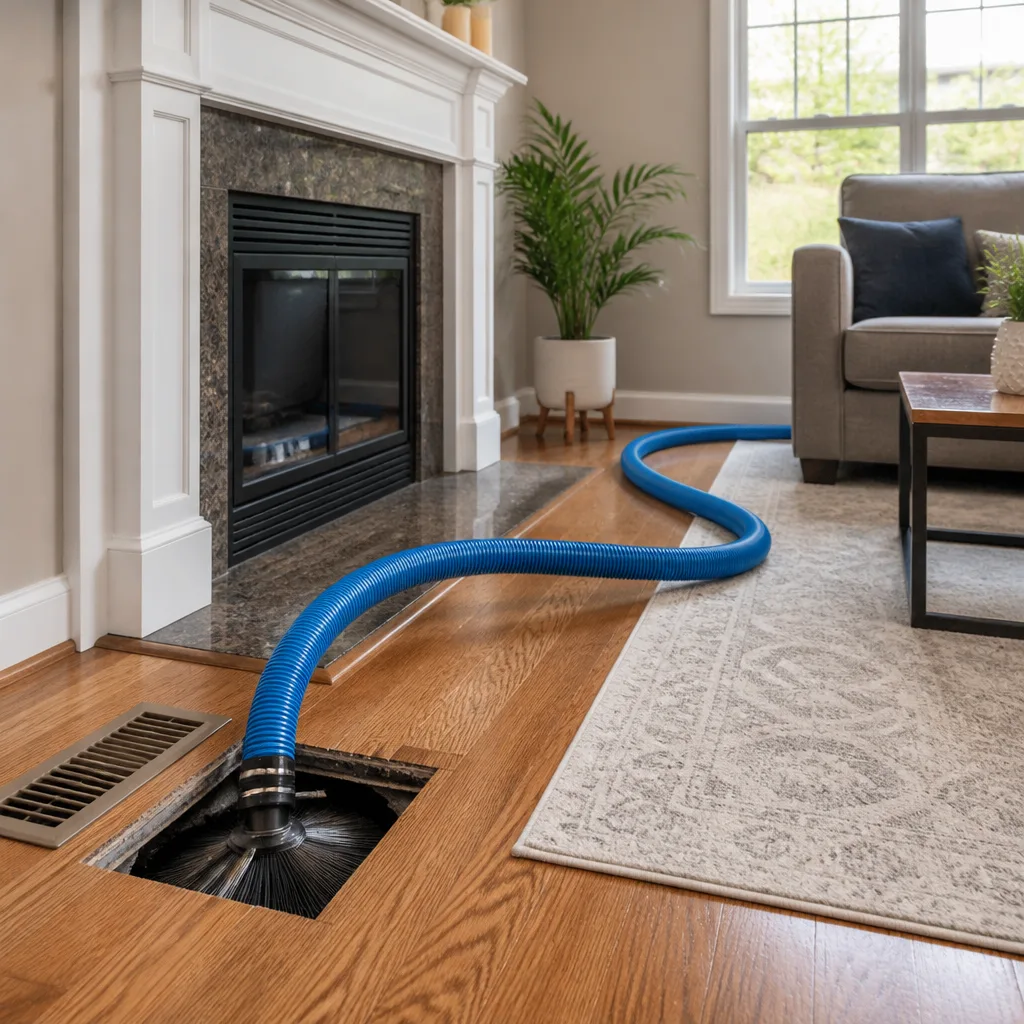 Whole-home duct cleaning
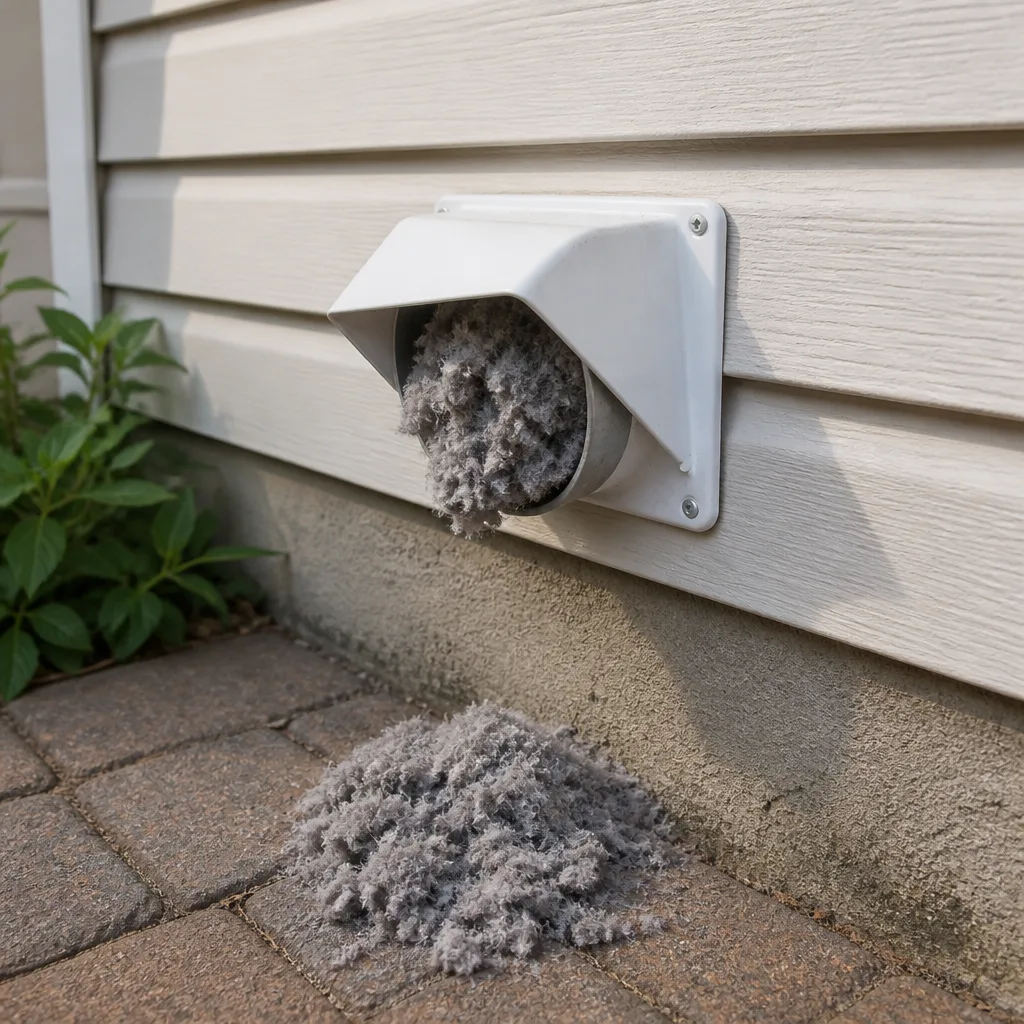 Dryer vent cleaning
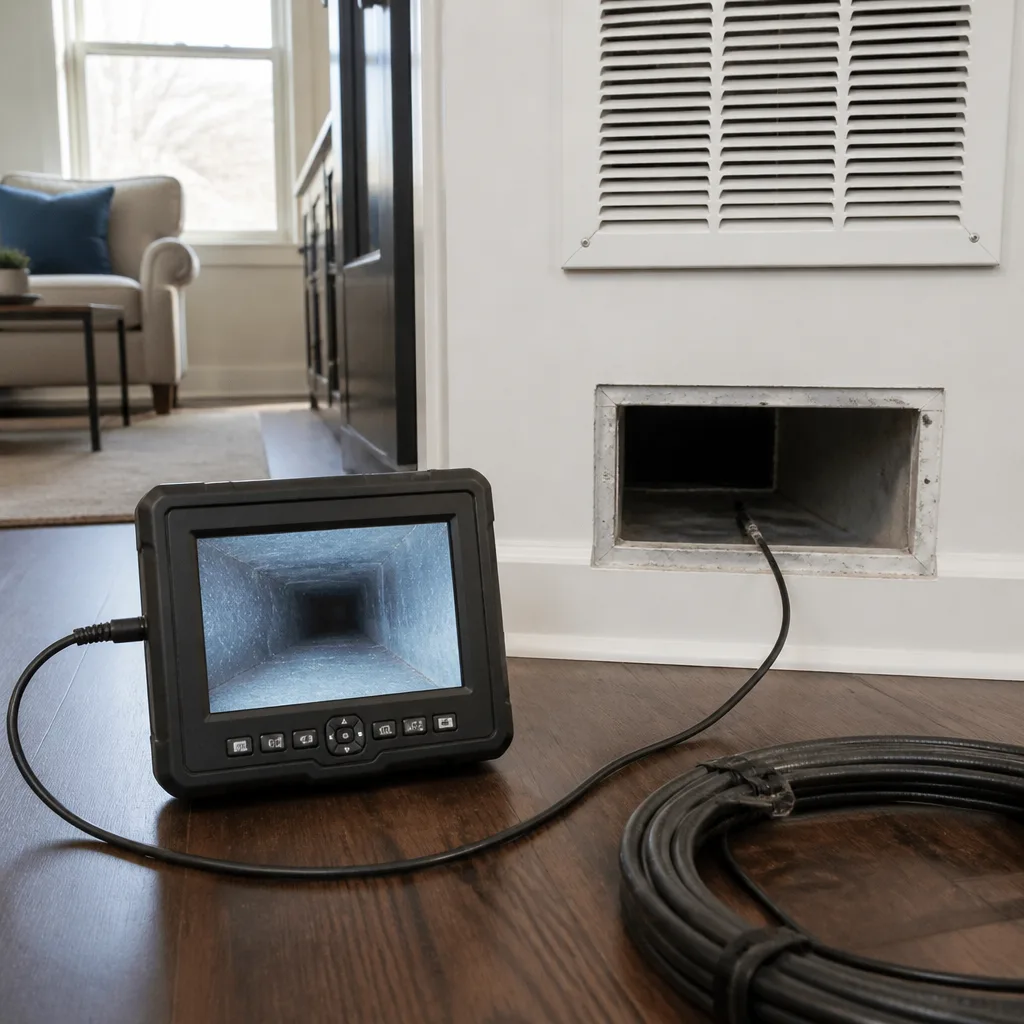 Camera inspection
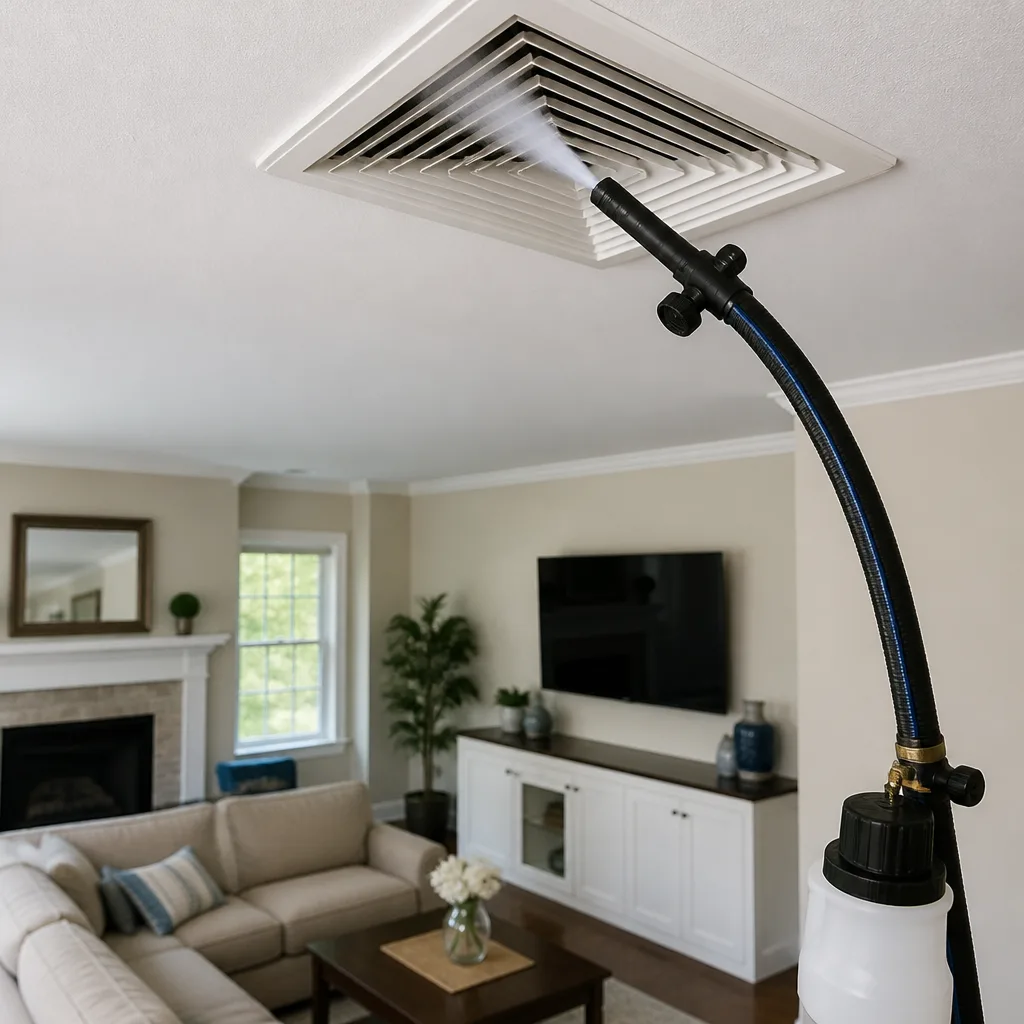 Sanitizing & deodorizing
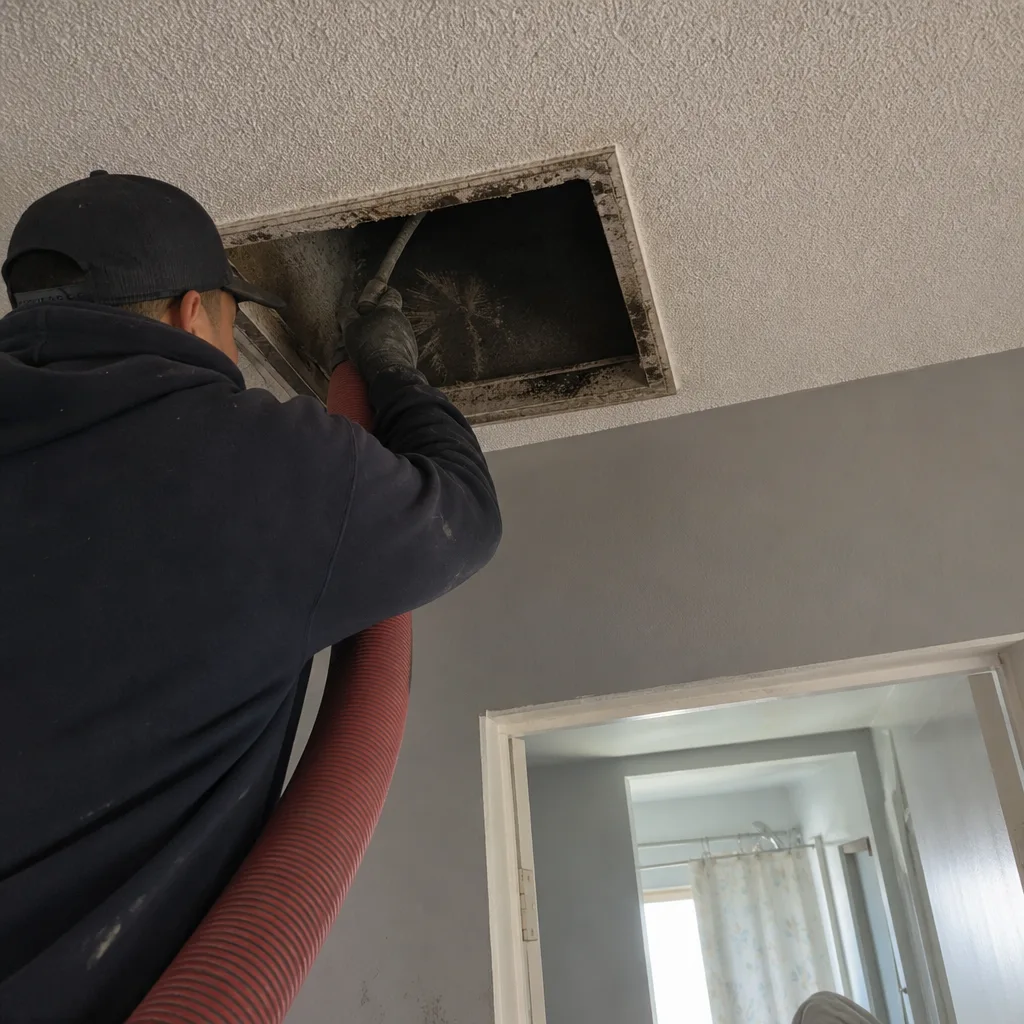
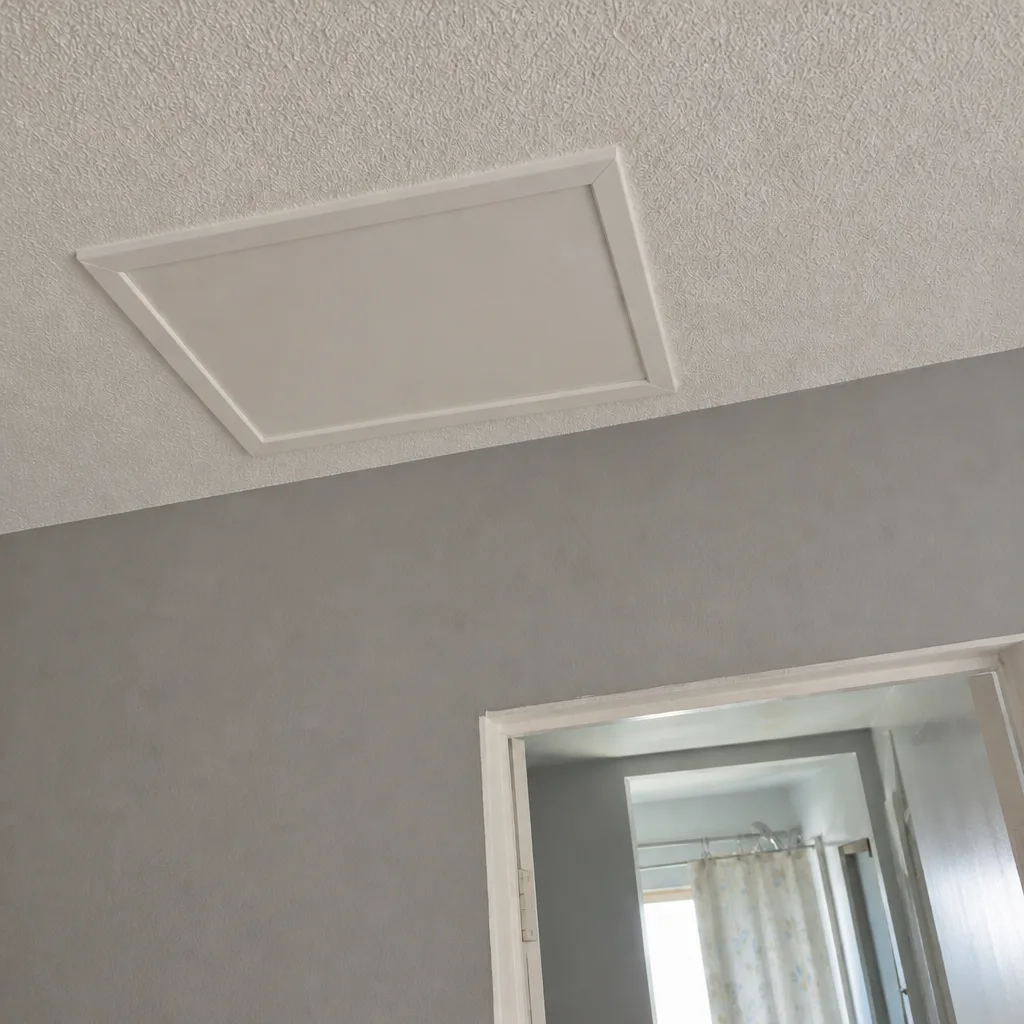
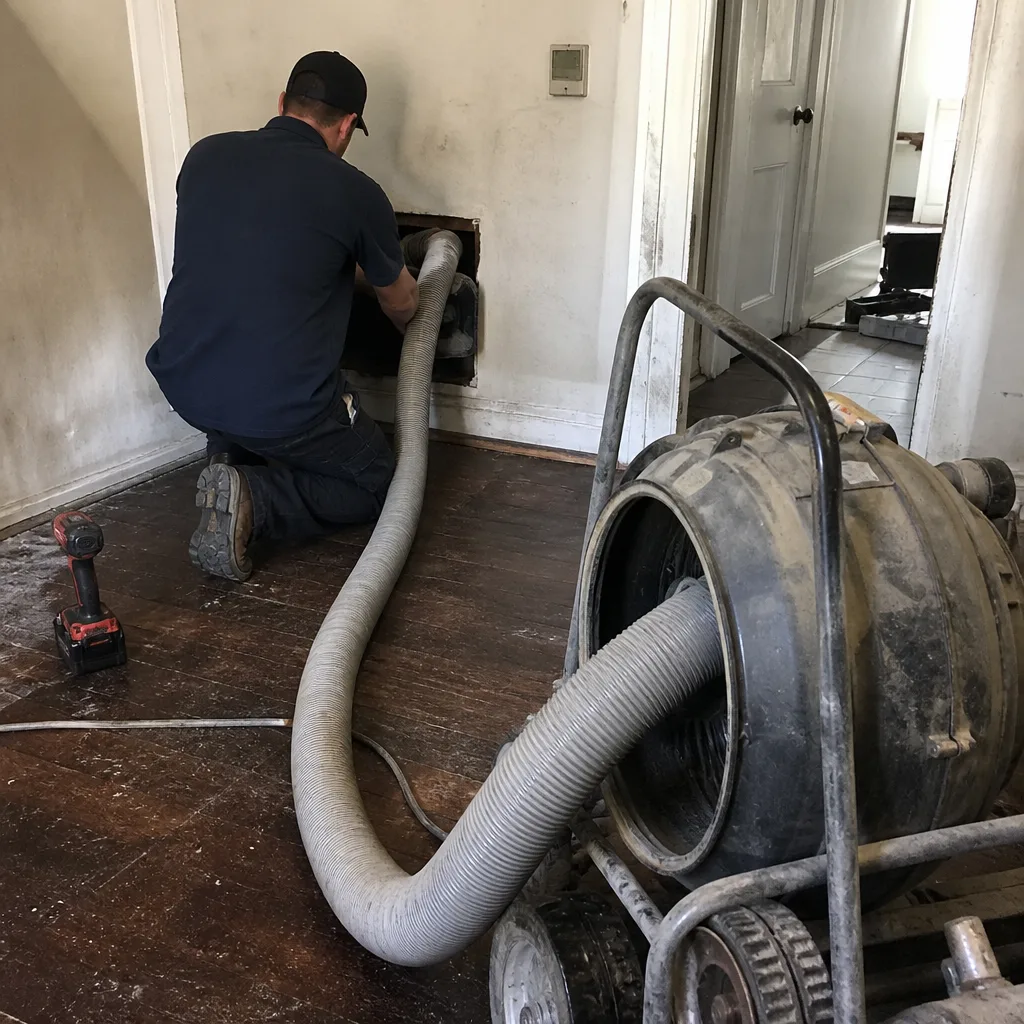
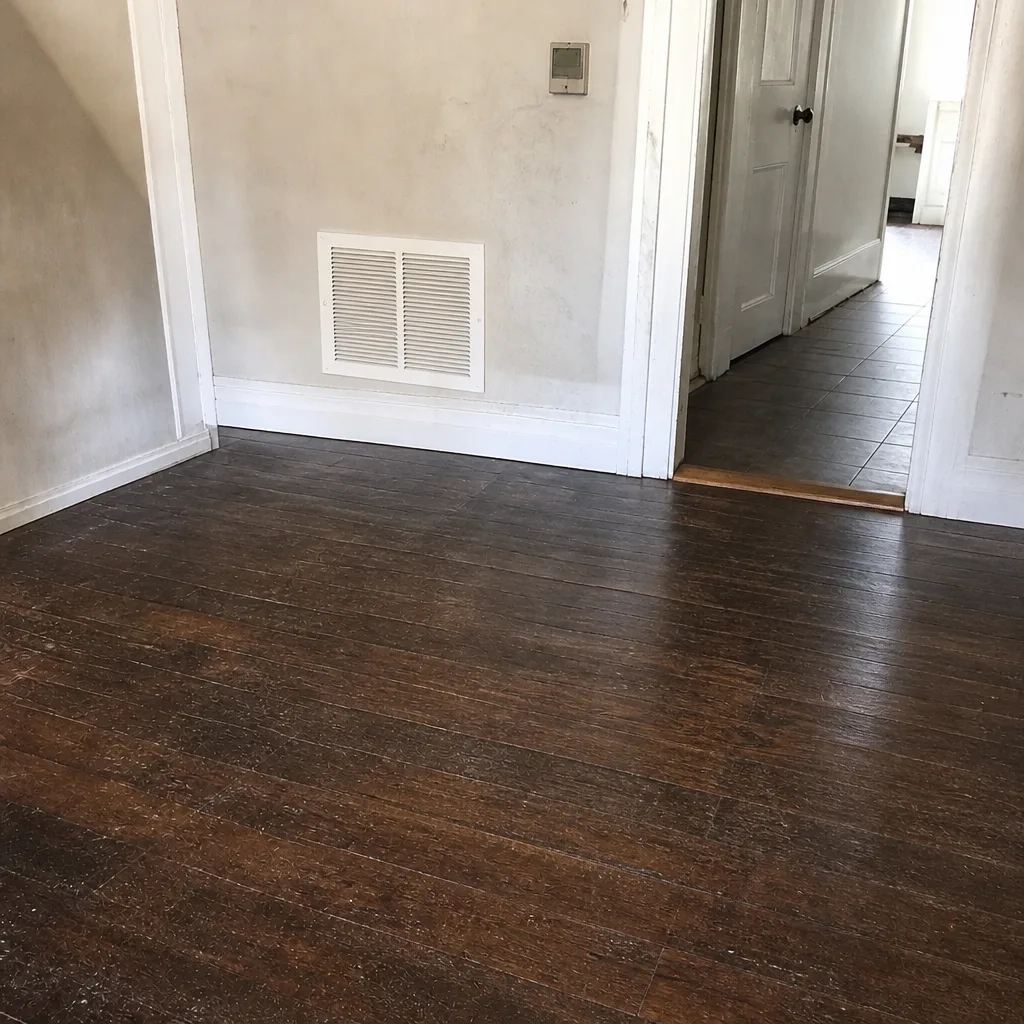
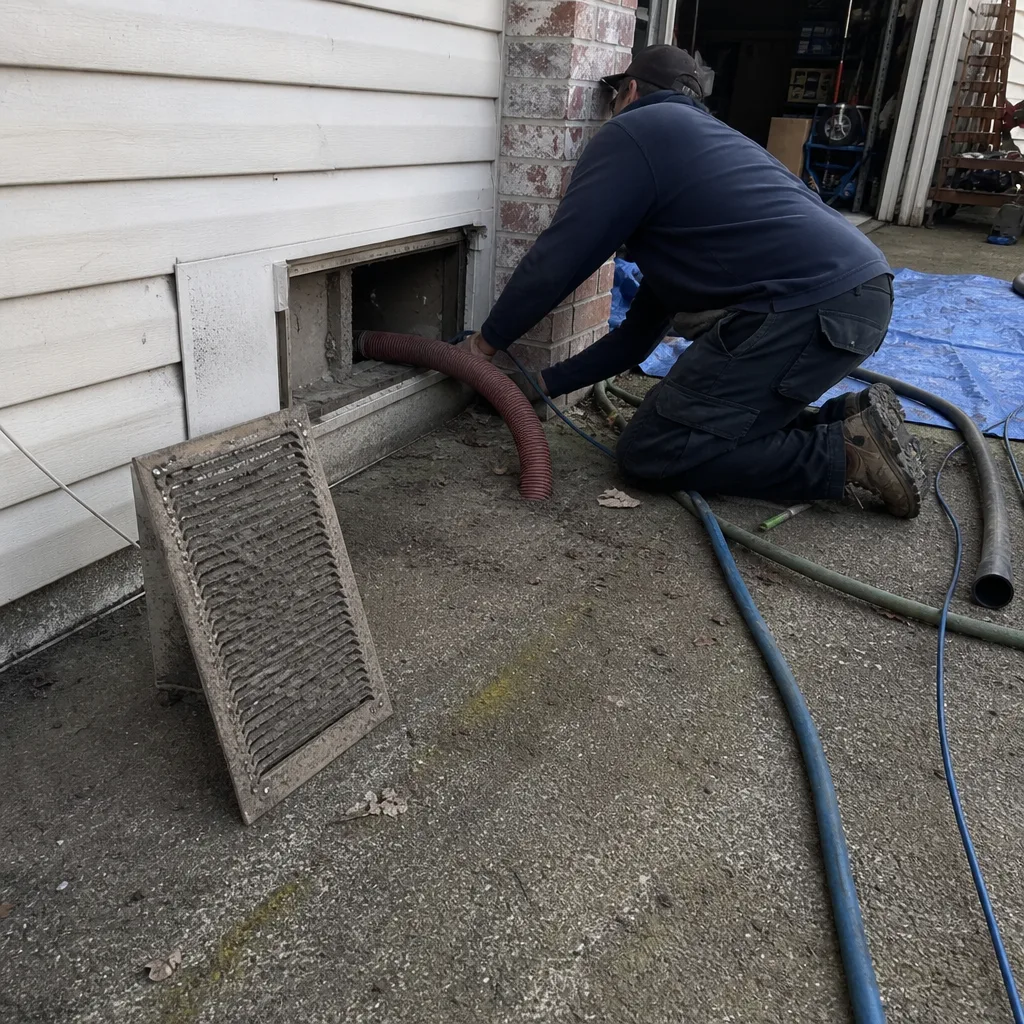
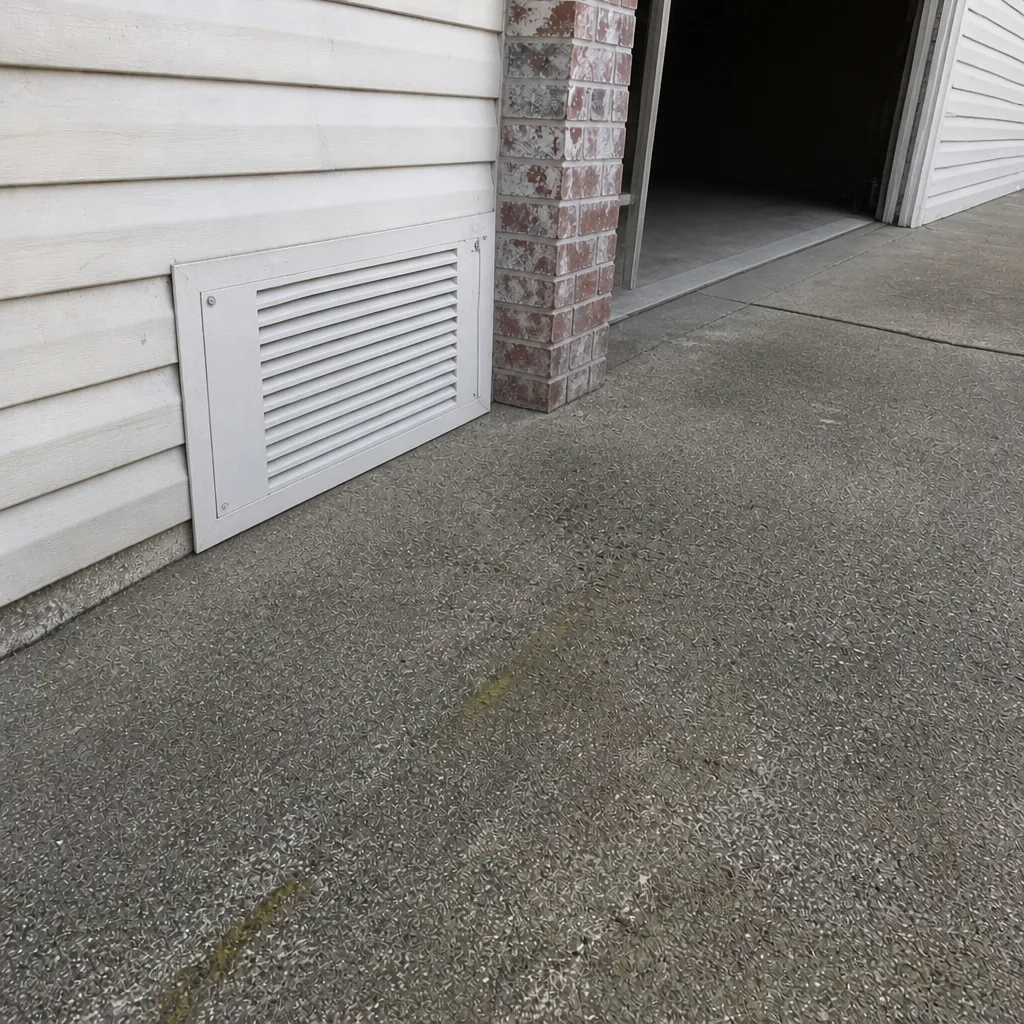
Whole-system duct and dryer vent check with before-and-after photos - you see exactly what came out of your vents
That "$99 whole-house special" is a bait ad - the real number appears once they are in your hallway, or the "clean" is a shop-vac at the register. We photograph the inside of your ducts before and after instead.
The Complete Guide to Air Duct Cleaning in Gresham
Two houses on the same Gresham street can have completely different duct problems. One is a 1970s ranch with original flex duct that’s been quietly degrading for decades. The other went up in the last fifteen years with rigid metal trunk lines and a sealed system. Same weather, same neighborhood, very different answers to the question “do I need my ducts cleaned?” That’s the part most cleaning quotes skip. A crew that shows up with one method and one price can’t diagnose a system it never inspected, and in a place with Gresham’s wet winters and older housing stock, that difference matters. This guide walks through what duct cleaning actually involves, how the local climate and housing affect your system, what real equipment looks like, and how to read the report you get afterward.
Styles & brands we work with
- Whole-home duct cleaning
- Dryer vent cleaning
- Camera inspection
- Sanitizing & deodorizing
Quick Answer
Air duct cleaning in Gresham is a system assessment first and a cleaning job second. A legitimate service starts with an inspection of your duct material, layout, and contamination level, then uses source-removal methods (negative air pressure plus rotary brushing) rather than a shop vac and a promise. In Gresham’s wet-winter climate, the biggest risk isn’t just dust buildup; it’s moisture-driven biological growth in older flex duct, which needs diagnosis before any brush goes in.
Table of Contents
- Why Gresham Ducts Are Different
- How Wet Winters Change Duct Contamination
- Source Removal vs. What Budget Crews Do
- The Older Flex Duct Problem
- What Equipment a Real Job Requires
- How to Read a Post-Cleaning Report
- When You Need Duct Repair, Not Just Cleaning
- How Often Ducts Actually Need Cleaning
- Common Mistakes to Avoid
- When to Call a Professional
- Frequently Asked Questions
- The Bottom Line
Why Gresham Ducts Are Different
Gresham’s housing stock is a patchwork of eras, and each era left behind a different kind of duct system. That matters because duct cleaning isn’t a universal process; it’s a response to a specific system in a specific house.
Walk through the neighborhoods and the differences show up fast. In older pockets around downtown Gresham and near the historic residential blocks, you’ll find mid-century homes with short-run metal ductwork, sometimes insulated with material that’s aged in place. Head out to the tracts built through the 1970s, 1980s, and 1990s, and flex duct becomes the norm, especially in attic runs and second-floor branches. Newer subdivisions on the east and south edges of Gresham tend toward rigid metal trunk lines with sealed joints and modern filtration integrated into the air handler.
Three things flow from that:
- Duct material determines cleaning method. Flex duct can’t take the same brush pressure as rigid metal. Aggressive cleaning on aging flex liner can shred the inner wall and make things worse.
- Attic runs behave differently in wet weather. Ducts routed through an unconditioned attic see temperature swings and condensation that ducts inside the living envelope don’t.
- Older homes tend to have more seams and more leakage. Leaky returns pull dust and moisture from crawlspaces and attics, which is where contamination originates.
If you’re new to the area or want the broader context for what Gresham systems typically look like, that’s a good place to start before you call anyone for a quote.
How Wet Winters Change Duct Contamination
In drier climates, duct contamination is mostly a dust-and-debris problem. In Gresham, it’s often a moisture problem first and a dust problem second. That changes the diagnosis.
Western Oregon’s wet season runs for months, and the Willamette Valley’s humid winters mean the air is loaded with moisture for a big chunk of the year. When that air moves through ducts that pass through cold attics or crawlspaces, condensation forms. Condensation plus dust equals a substrate that supports biological growth. What you smell isn’t just “stale air” – it’s the signature of a system that’s been wet on and off for years.
Here’s what we look for in Gresham homes specifically:
- Evidence of past moisture in the attic runs. Staining at duct joints, sagging insulation, or rusted plenum connections are all red flags.
- Biological growth in the return side. Returns pull air from living space and sometimes crawlspace; they’re the first place to show it.
- Filter condition that doesn’t match the season. A filter that looks saturated within weeks suggests high household humidity or an oversized system pulling too much air.
- Odor after the system has been idle. That first-on-of-the-season smell is a diagnostic clue, not just an annoyance.
A cleaning without addressing the moisture source usually gets you a cleaner system that goes right back to the same state within a couple of seasons. That’s why we inspect before we quote a cleaning, and why duct repair often comes up in the same conversation.
Source Removal vs. What Budget Crews Do
There’s a real difference between source removal cleaning – the standard the industry has settled on – and the vacuum-and-brush job that most discount crews deliver. The words on the invoice can look similar. The work doesn’t.
Source removal means physically removing the accumulated debris from the duct surfaces, then capturing it under negative pressure before it can migrate into living space. It requires three things at once: a vacuum powerful enough to hold the whole system under negative pressure, mechanical agitation (rotary brush or air whip) to loosen debris from duct walls, and access that reaches the entire system, not just what’s visible from the floor registers.
What budget crews typically do:
- Push a brush a few feet in from each accessible register and call it done.
- Use a portable shop vac or a rental unit that can’t hold pressure across the system.
- Clean the branch lines but skip the trunk lines, plenums, and air handler connections – which is where most of the debris settles.
- Follow up with a “sanitizing fog” to cover odor rather than remove the source.
The industry standard for source removal is well-established, and a legitimate provider follows it whether you’re cleaning a new build in Gresham or a 1970s ranch. If a quote doesn’t include negative air, mechanical agitation, and a description of what will actually be accessed, it’s not the same service.
The Older Flex Duct Problem
Flex duct was revolutionary when it became standard through the 1970s and 1980s. It’s fast to install, cheap, and it routes through tight attic spaces where rigid duct won’t fit. But it has an Achilles’ heel: the inner liner.
Flex duct is essentially a wire helix wrapped in insulation, with a thin plastic inner liner that actually carries the air. That liner weakens over time. In Gresham’s older tracts, a lot of the flex duct in service today is thirty to fifty years old. It’s still doing its job, but the liner is brittle, sometimes partially delaminated, sometimes coated with debris that’s bonded to it.
That’s why aggressive cleaning on aging flex duct without inspection is a bad idea. A stiff rotary brush at high RPM on a degraded liner can:
- Tear the inner liner, which then collapses and blocks airflow to a room.
- Dislodge insulation fibers into the air stream, sending them into the living space.
- Break seams and joints that were holding by a thread, causing new leaks.
- Convert a clean-but-worn system into a system that needs a duct repair you didn’t budget for.
A camera inspection first tells you whether the flex can take a standard cleaning, needs a softer approach, or needs to be replaced in sections. That diagnostic step is what separates a cleaning that helps your system from one that creates a new problem. Our technicians have up to 15 years of experience with exactly this call, and it’s the first decision we make on any Gresham job.
What Equipment a Real Job Requires
Duct cleaning equipment is not consumer gear. A legitimate job needs three categories of tools, and if any one is missing, the cleaning is incomplete.
Negative air machines. These are high-capacity HEPA-filtered vacuums that hold the entire duct system under negative pressure while work is happening. That’s what captures dislodged debris instead of letting it settle back into the ducts or float through your kitchen. Consumer vacuums and rentals can’t do this.
Rotary brush and air whip systems. Mechanical agitation is what actually removes contamination from duct walls. Rotary brush systems like Rotobrush push through branch lines with flexible shafts, and air whips use compressed air to knock debris loose from trunk lines and plenums where a brush can’t reach. Professional-grade systems from Rotobrush and Nikro are what HVAC and restoration specialists rely on, and they’re what we use on every job.
Inspection cameras. Small, articulating cameras let a technician look inside a duct before, during, and after cleaning. They’re the difference between “we cleaned your ducts” and “here’s what was in them and here’s what they look like now.”
Depending on the system, a job may also involve:
- Hepa-filtered air scrubbers for the living space during work
- Access panels cut and sealed at strategic duct points
- Compressed-air tools for hard-to-reach plenum areas
- Specialty filtration from brands like Aprilaire or Honeywell on the air handler side
When you get a quote, ask what equipment will be on site. A provider who can name the system and explain how it works is a different call than one who just confirms a date.
How to Read a Post-Cleaning Report
A cleaning report is documentation, not a receipt. It should tell you what the system looked like before, what work was performed, and what state it’s in now. If you get a one-line invoice that says “duct cleaning complete,” you don’t have a report; you have a claim.
A legitimate report typically includes:
- Pre-cleaning camera photos. Showing debris accumulation in the trunk line, branch runs, and air handler connection.
- System description. Duct type, layout, number of registers and returns, and any pre-existing damage noted.
- Methods used. Negative air machine placement, agitation equipment, and what access points were opened.
- Post-cleaning camera photos of the same locations. This is the before-and-after that matters – not a marketing photo of a shiny duct from somewhere else.
- Findings. Loose joints, torn liner, disconnected runs, moisture staining, or filtration issues that were discovered during the job.
- Recommendations. Whether repair is needed now, later, or not at all.
That final point is the one most people skip past. A report that identifies a disconnected branch in a Gresham flex system is more valuable than the cleaning itself, because that disconnect was quietly dumping conditioned air into an attic for years. This is also why we offer air duct repair as a standalone service – the report should lead somewhere.
When You Need Duct Repair, Not Just Cleaning
Some duct problems don’t get better with cleaning. If the duct itself is damaged, cleaning tells you where the damage is but doesn’t fix it. Diagnosis first, repair second, cleaning last – that’s the correct order.
Signs you’re looking at a repair job rather than a cleaning job:
- Uneven airflow room to room. One bedroom blows cold while another is fine; usually a disconnected or crushed branch run.
- Rising energy bills without a change in use. Leaky duct runs can dump a meaningful share of your heated air into the attic or crawlspace before it ever reaches a room.
- Dust reappears fast after cleaning. A cracked plenum or leaking return will re-contaminate the system within weeks.
- Visible damage at registers. Torn flex liner, separated joints, or sagging runs.
- Odor that doesn’t clear. Often a sign of moisture getting into a duct joint that’s no longer sealed.
For homeowners who want a deeper walkthrough of what a proper system assessment and cleaning actually involves, our air duct cleaning page covers the process step by step. Duct repair handles the structural side – reconnecting runs, replacing compromised sections, sealing leaks, and restoring proper static pressure to the system.
How Often Ducts Actually Need Cleaning
The honest answer is: it depends on the house, not a calendar. The industry doesn’t recommend a universal schedule, because the variables that drive duct contamination vary house to house.
What actually drives the timeline:
- Renovation recently finished. Drywall dust, sawdust, and construction debris get pulled straight into the return. Cleaning after a major renovation is almost always worth it.
- Older home with original ducts. Decades of accumulation, degraded flex liner, and previous cleanings of unknown quality.
- Pets or occupants with respiratory sensitivity. Higher particulate load in the air means faster reaccumulation in the system.
- Visible dust at registers or a persistent musty smell. Both are signals worth an inspection.
- Recent move-in. You don’t know the history of the ducts, and a baseline inspection tells you what you’re working with.
A practical approach for Gresham homes: get an inspection first, then set the cleaning interval based on what’s actually in the system and how the house is used. We’ve seen homes in Gresham that didn’t need cleaning five years after the last one, and homes that needed it again within two.
Dryer vent cleaning is a separate schedule with a different reason to take it seriously. Manufacturer guidelines and fire-safety best practice point toward annual cleaning for most households, and lint buildup in a dryer vent is a recognized cause of residential fires. That’s a genuinely different service from duct cleaning, and it’s part of what we do – the dryer vent cleaning guide covers the specifics.
Common Mistakes to Avoid
- Hiring on price alone. The cheapest quote in Gresham usually means a brush-and-vacuum job that skips the trunk lines and plenum. You get an invoice, not a cleaner system.
- Skipping the inspection. On aging flex duct, cleaning without inspection can tear the liner and cause more problems than it solves. Always ask what inspection gear the technician brings.
- Accepting a “sanitizing fog” as a fix. Fog covers odor; it doesn’t remove debris. If the underlying contamination is still in the ducts, the smell comes back.
- Assuming a new-ish house doesn’t need a look. Construction debris from a recent build or remodel can sit in the ducts for years. Gresham’s newer subdivisions aren’t automatically exempt.
- Not asking for before-and-after photos. A report with photos of your own ducts is verification. A verbal description isn’t.
- Ignoring a return-side problem. Returns pull from living space and sometimes from crawlspace. Cleaning the supply side only is half a job.
- Treating dryer vent cleaning as optional. Lint is flammable, and a clogged vent is a fire risk and a dryer efficiency problem at once. It’s a safety service, not a comfort upgrade.
When to Call a Professional
Some duct situations are genuinely DIY-adjacent – changing a filter, wiping a register. Most aren’t. Call a professional when the system needs to be opened, when there’s moisture involved, when airflow is uneven room to room, when you’ve got a persistent odor, or when the ducts haven’t been inspected since you moved in. Add a call after any major renovation, after any pest issue in the attic or crawlspace, and any time a dryer is taking longer than it used to, since that last one is often a vent problem in progress.
Duct Cleaning Gresham offers free estimates in Gresham – call (844) 523-1942. We answer 24/7. Fast dispatch from 7am to 7pm, Sunday through Friday. The work is done with professional-grade equipment from Rotobrush and Nikro, and the price is set per job by a written estimate agreed before the job starts. For the full picture of what we do and how we do it, start at Duct Cleaning Gresham.
Frequently Asked Questions
Air duct cleaning in Gresham is priced per job, not per vent, because the price depends on the size of the system, the duct material, how many access points are required, and whether repair is involved. We set the price with a written estimate before the job starts and stand behind it. That’s the whole point of a flat per-system price: no surprise invoice after the work begins. Call (844) 523-1942 for a free estimate – we’ll look at the system first and quote accurately.
Because they’re describing a different job. A budget quote usually means a brush pushed a few feet in from each register, a portable vacuum, and no access to the trunk lines, plenum, or air handler connections. That’s not source removal – it’s a surface contact with the system. Ask any provider what equipment they’re bringing, whether they use negative air pressure, and whether the quote covers the trunk lines. If you don’t get clear answers to those three questions, the cheap quote isn’t a good deal.
You ask for before-and-after photos of your own ducts, taken with an inspection camera, at the same points. A legitimate provider brings a camera precisely because it documents the job. The photos should show the trunk line, at least one branch run, and the air handler connection, with a clear visual difference between pre- and post-cleaning. That’s the standard a report should meet. For the full report checklist, see our guide on Duct Cleaning Gresham services.
There isn’t a universal schedule, and any company that quotes you one without inspecting the system is guessing. The real drivers are: recent renovation, older original ductwork, pets or occupants with respiratory sensitivity, visible dust at registers, and a musty smell when the system starts up. For most Gresham homes, an inspection-first approach, then a cleaning interval based on what’s actually in the system, makes more sense than a fixed number of years.
Yes, if it’s done without inspection. Many of Gresham’s 1970s through 1990s homes have flex duct with an aging inner liner, and aggressive brushing can tear that liner or dislodge insulation fibers into the air stream. A camera inspection shows the liner condition before any cleaning starts, so the technician can choose the right method or recommend duct repair in the affected runs. That inspection step is why we don’t quote a cleaning until we’ve seen the system.
Both. Duct repair is a core service, not an upsell. If an inspection shows disconnected branches, torn liner, or leaking joints, we can reattach, replace, or seal the affected sections rather than handing you a report and walking away. That’s also why we work with filtration and air-quality brands like Aprilaire and Honeywell when the system calls for it – the whole system gets addressed, not just the ducts. Call (844) 523-1942 for a free estimate.
The Bottom Line
The right question in Gresham isn’t “how much does duct cleaning cost” – it’s “what’s actually in my system?” Gresham’s wet winters and mixed housing stock mean contamination problems here look different from drier regions and from newer construction, and the cleaning method has to match the diagnosis. Source removal with negative air pressure and rotary brushing is the standard. Inspection comes first, especially on aging flex duct. Duct repair exists as a separate service for a reason, and it’s often what a real cleaning report leads to. Before-and-after photos prove the work happened. And a written, per-system estimate means the price you agree to is the price you pay. That’s the standard we hold ourselves to, and it’s what to hold every quote up against. Call (844) 523-1942 for a free estimate. We answer 24/7. Fast dispatch from 7am to 7pm, Sunday through Friday.
Written by the team at Duct Cleaning Gresham.
See the difference
 Before
 After
 Before
 After
 Before
 After