
Last updated November 15, 2026
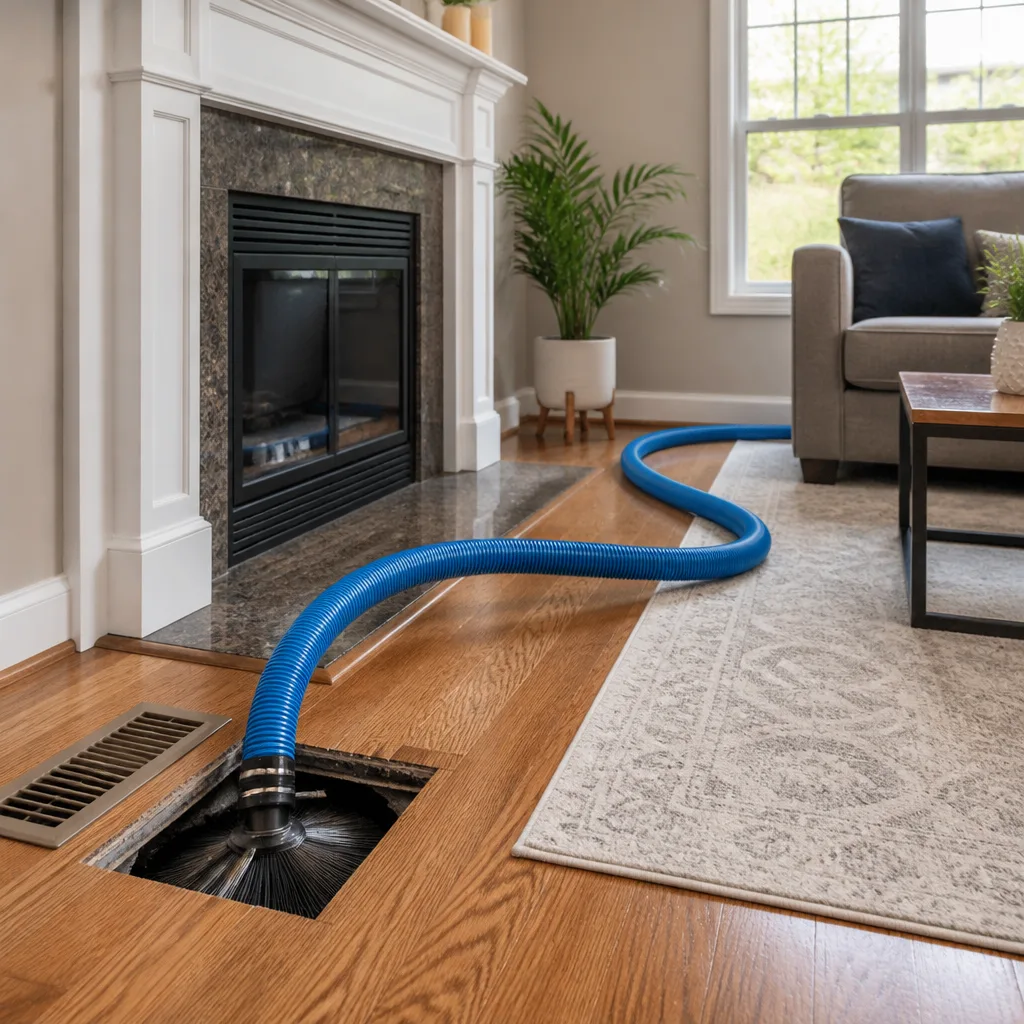 Whole-home duct cleaning
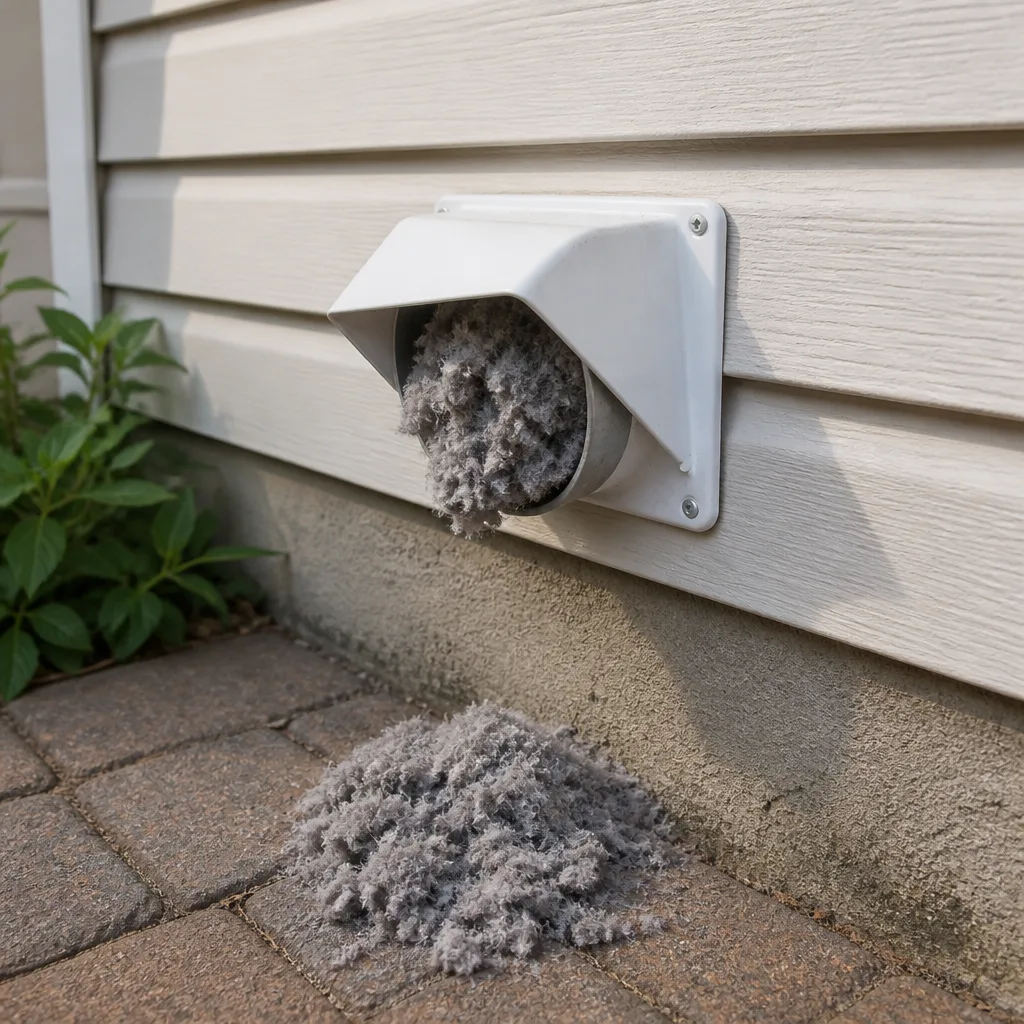 Dryer vent cleaning
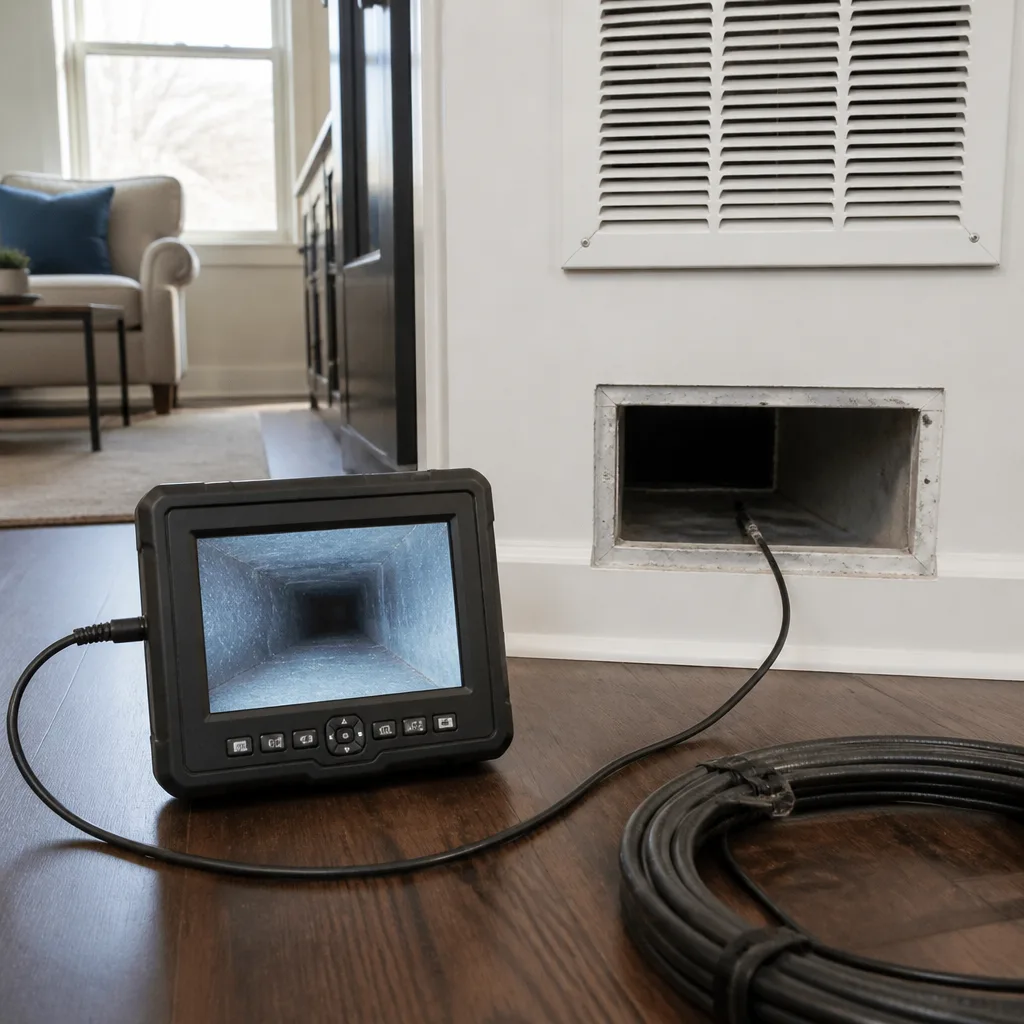 Camera inspection
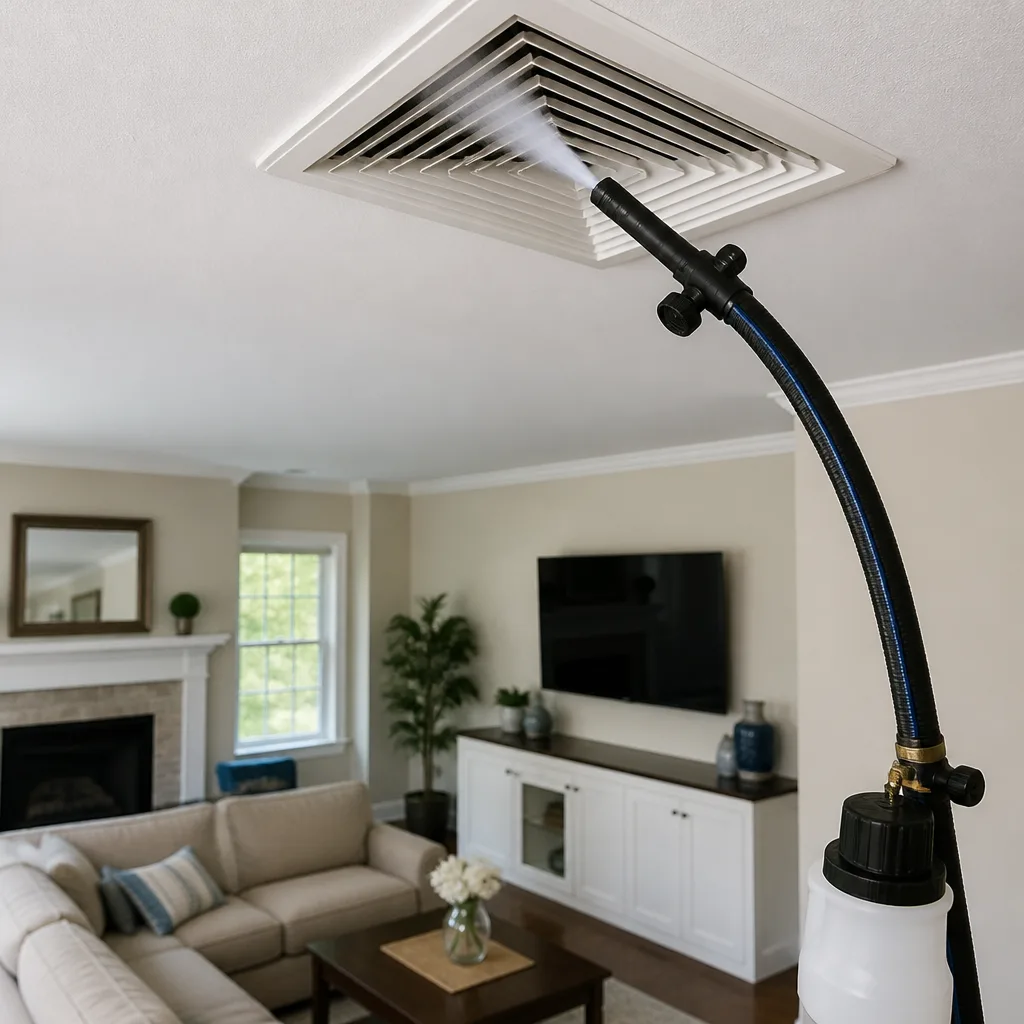 Sanitizing & deodorizing
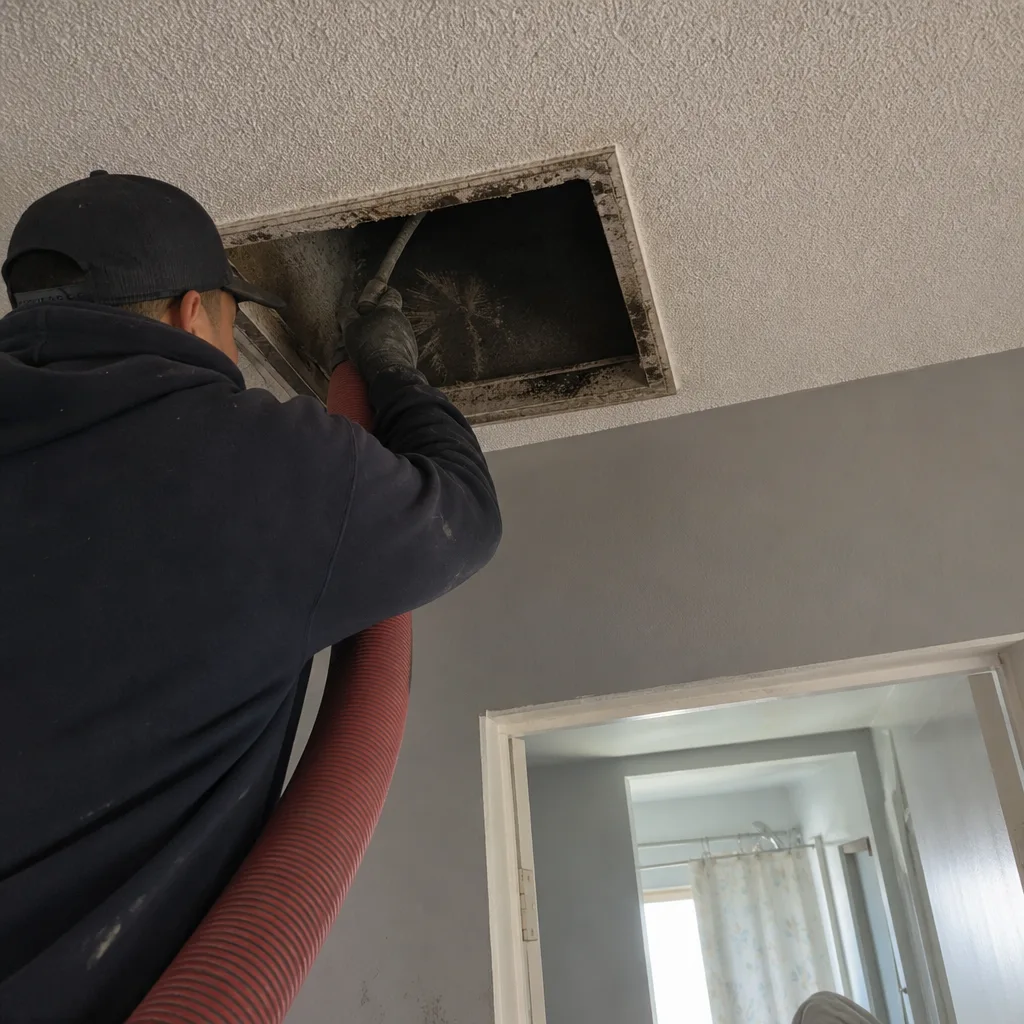
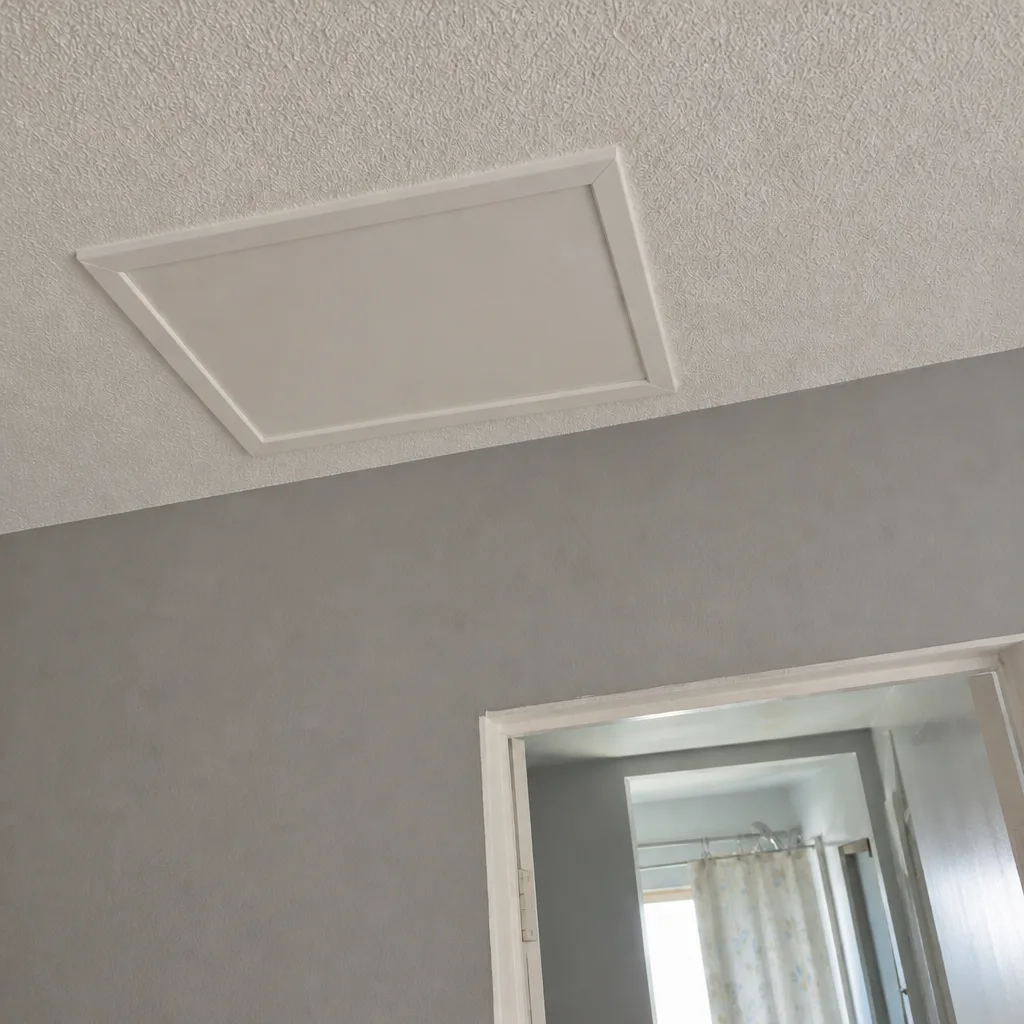
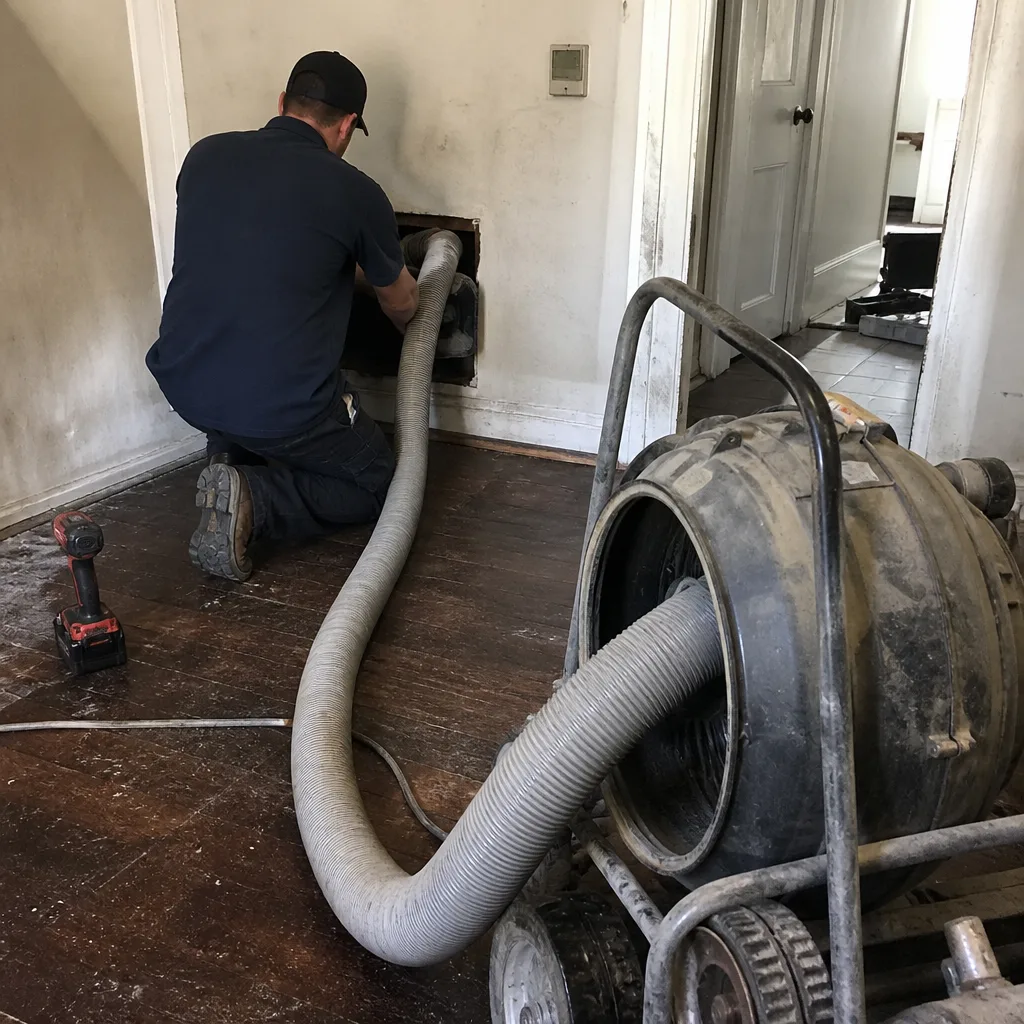
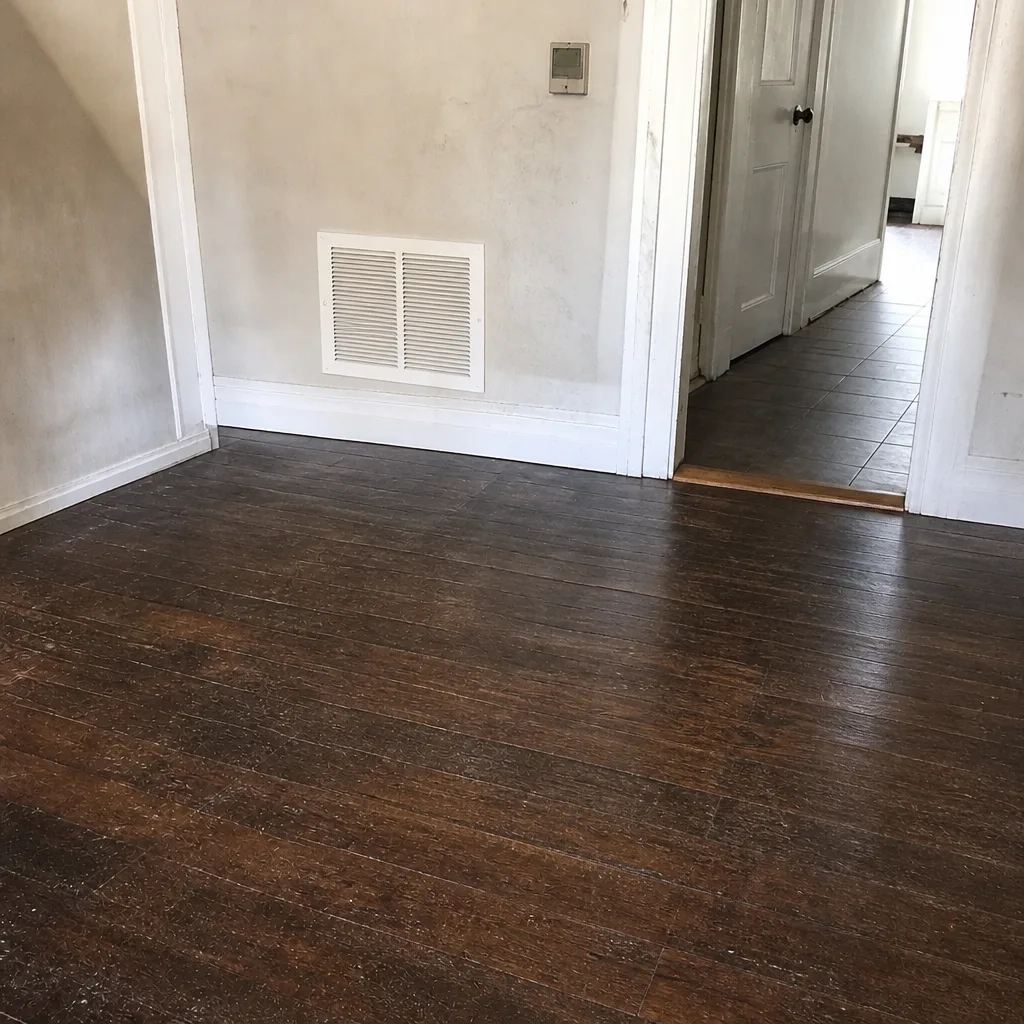
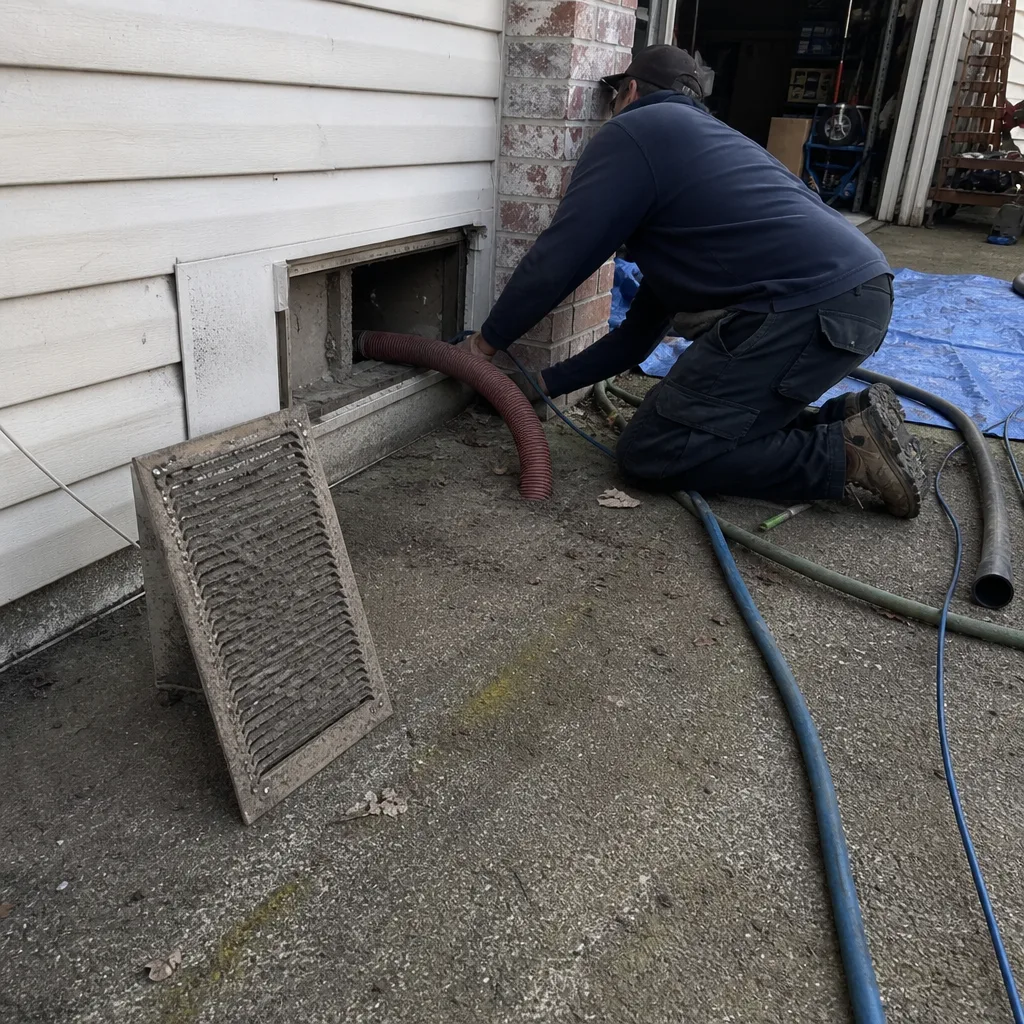
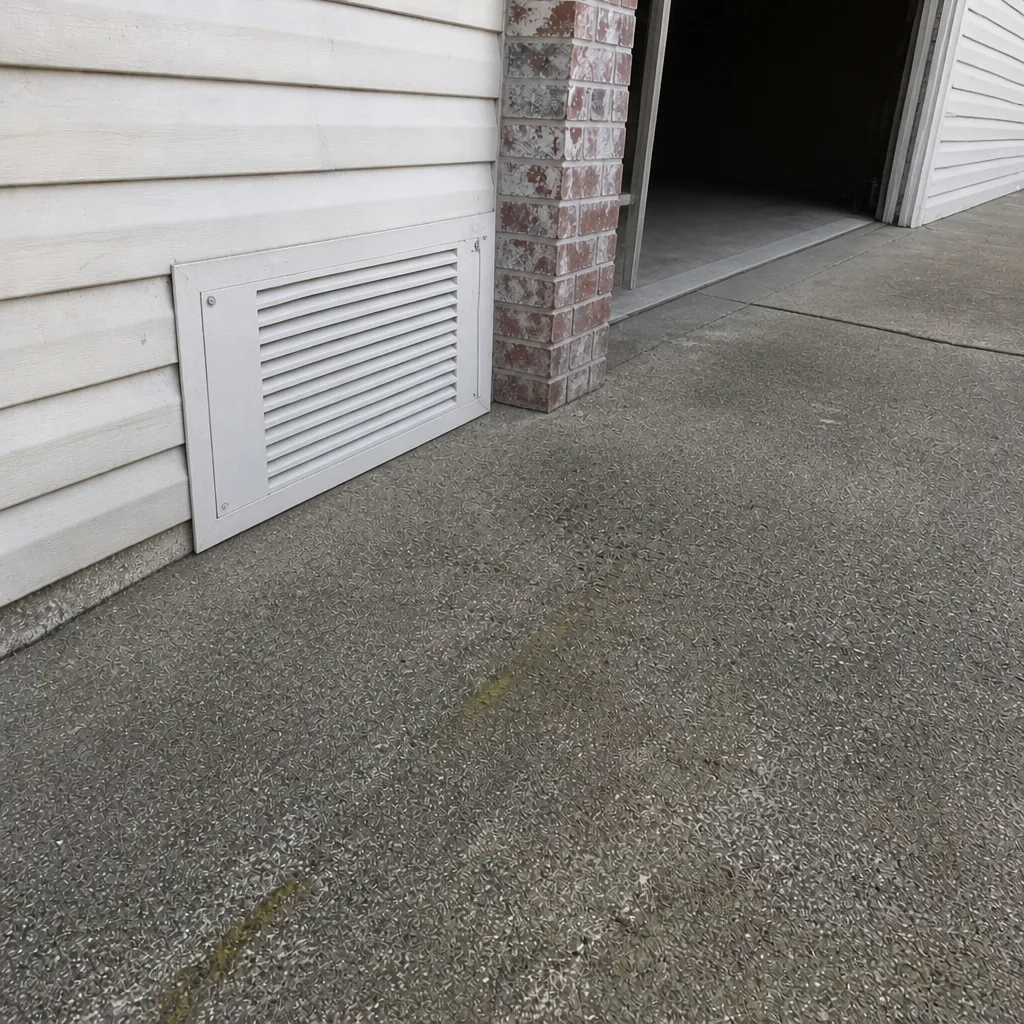
Whole-system duct and dryer vent check with before-and-after photos - you see exactly what came out of your vents
That "$99 whole-house special" is a bait ad - the real number appears once they are in your hallway, or the "clean" is a shop-vac at the register. We photograph the inside of your ducts before and after instead.
Seasonal Air Duct Cleaning Care for Gresham: Year-Round Homeowner’s Guide
The most common mistake we see in duct maintenance isn’t skipping a cleaning. It’s assuming one annual appointment covers a house that lives through four distinct air-quality seasons. Gresham homeowners sit close enough to the Columbia River Gorge that a late-summer wildfire smoke event can push fine particulate into a duct system weeks after a routine cleaning has already happened. Meanwhile, the rainy season does its own work on crawl space moisture and duct liner integrity. This guide maps Gresham’s environmental calendar quarter by quarter, so you can decide what your ducts actually need and when.
Quick Answer
Duct care in Gresham works best as a seasonal cycle rather than a once-a-year event: inspect and change filters before heating season in fall, watch for moisture intrusion and liner damage during the wet winter, run a post-wildfire smoke protocol in late summer, and prioritize return-side cleaning during the spring pollen load. How often you book a professional cleaning depends on duct age, system type, and how hard the local environment hits your home. A well-maintained system in a newer Gresham house may need cleaning every few years, while an older home near a greenway or a recently renovated property may need attention far more often.
Styles & brands we work with
- Whole-home duct cleaning
- Dryer vent cleaning
- Camera inspection
- Sanitizing & deodorizing
Table of Contents
- Why Seasonal Duct Care Matters More in Gresham
- Fall: Pre-Heating-Season Checks
- Winter: Rain, Crawl Space Moisture, and Duct Liner
- Spring: Pollen Load and Return Air Placement
- Summer: The Wildfire Smoke Protocol
- Building Your Home-Specific Duct Calendar
- Cleaning Versus Repair: Knowing Which You Need
- Dryer Vent: The Year-Round Safety Item People Forget
Why Seasonal Duct Care Matters More in Gresham
Gresham sits in a specific pocket of the Portland metro where several environmental factors stack. The city holds the mouth of the Sandy River drainage and looks east toward the Cascade foothills, which means wildfire smoke from the gorge corridor and eastern slopes tends to settle into the metro area during late summer. Add the region’s long wet season, a strong spring pollen window, and a housing stock that spans mid-century ranch homes through recent construction, and you get a duct system that faces different stress in every quarter.
Most homeowners think of duct cleaning as a single service you schedule when the air feels stale. In practice, the timing of that cleaning changes what gets removed. A cleaning done in October pulls out summer pollen and any smoke residue that settled into the system. A cleaning done in June misses the smoke season entirely. That’s why we frame duct work around the calendar rather than a fixed interval.
There’s also the matter of how Gresham homes are built. Many older properties in neighborhoods like Centennial and Rockwood have crawl space duct runs, flexible or rigid, that respond to groundwater and humidity swings. Newer construction in the Pleasant Valley area tends to be tighter and better sealed, but that same tightness concentrates whatever contaminants do enter the system. Neither house type is worse. They just need different attention at different times of year.
If you want the baseline explanation of what a full cleaning involves before you start mapping seasons, our air duct cleaning page walks through the equipment and process in detail.
Fall: Pre-Heating-Season Checks
The first cool week of September or October is when Gresham heating systems wake up after a dormant summer. That transition is the single best window for a duct inspection, and it’s the window most homeowners skip because the system still “seems fine.” Here’s what to run through before you turn on the heat.
- Change the filter and note the baseline. Write the date and filter size on the edge of the new filter with a marker. That baseline tells you how fast the system is loading up. If a filter that normally lasts three months is grey in three weeks, something upstream is dumping debris into the return.
- Look at the return registers before you look at the supply. The return side is where dust and debris enter. If return grilles are visibly coated, the trunk line probably is too.
- Check the heat exchanger proximity to duct intakes. On forced-air furnaces, the return air passes close to the heat exchanger housing. If duct connections there are loose or the intake is pulling air from a dusty basement, you’re circulating that dust through the whole house all winter. A technician should look at this connection, not just the ducts themselves.
- Test the system with the windows closed for one full cycle. Note any musty smell, uneven airflow, or whistle at a register. Those are the symptoms that point to a duct problem rather than a filter problem.
- Walk the crawl space if you have one. Look for disconnected flex runs, crushed sections, or standing water. Fall is when you have the best chance to fix these before rain makes the crawl space harder to work in.
Fall is also the season to schedule professional cleaning if the system hasn’t been touched in several years. Our technicians have up to 15 years of experience, and we use professional-grade equipment from Rotobrush and Nikro, the same systems HVAC and restoration specialists rely on, so the work pulls debris out rather than redistributing it. If your fall inspection turns up a torn flex run or a crushed trunk line, we repair ductwork rather than handing you a problem report and walking away.
Winter: Rain, Crawl Space Moisture, and Duct Liner
Gresham’s wet season runs long. From roughly November through March, sustained rain keeps crawl spaces damp and pushes humidity upward into the homes above them. That matters for ducts because most of the duct runs in a crawl space system sit in that environment for months at a time.
The specific risk is duct liner integrity. Many older duct systems use internal insulation lining, a fiberglass material bonded to the inside of the duct. When that liner gets wet repeatedly, it can sag, delaminate, and in bad cases trap moisture against the metal. A damp liner is a surface that can hold organic material, which is why we treat winter as a moisture inspection season rather than a dust season. This is a surface and materials question, not a health claim, and it’s one an inspection can answer quickly.
What to check in winter:
- Liner condition on any visible crawl space duct section. Look for sagging, separation from the metal, or dark patches that don’t wipe clean.
- Condensation on duct exteriors. Damp metal or wet insulation wrap on a duct run suggests the run is cold enough to sweat, often a sign of missing or degraded insulation.
- Standing water or obvious groundwater in the crawl space. If the duct system is sitting in it, the ducts are absorbing it.
- Musty smell when the heat runs. This is the most common winter complaint we hear in Gresham, and it usually traces to a moisture source rather than dirt alone.
- Damp or cold spots on flooring above crawl space duct runs. These can point to a disconnected or poorly insulated run.
If your winter inspection turns up a moisture problem, the fix is not always a cleaning. Sometimes it’s a repair, sometimes it’s improved insulation or drainage, and sometimes it’s removing and replacing a section of compromised liner. If you’re seeing damp ducts across a Gresham home, it’s worth having someone who repairs ducts look at it, not just a cleaning crew.
Spring: Pollen Load and Return Air Placement
The Willamette Valley and the surrounding foothills put out a serious pollen load from roughly March through June. Tree pollen comes first, then grass. That load enters your home through doors, windows, and every fresh air intake. What most homeowners don’t realize is that the placement of your return air ducts decides how much of that pollen stays in the system.
Return registers pull air back into the HVAC system to be reheated or recooled. Where they sit matters. A return near an entryway, a sliding door, or a ground-floor window catches more pollen than a ceiling return in an interior hallway. If you have multiple returns, the one nearest your main entry is doing the most work and collecting the most pollen.
Spring actions that make a difference:
- Identify where your returns are. Walk the house with a sheet of paper and note each return location. You don’t need to know the duct layout; the grille locations tell you where the pollen-heavy intake points are.
- Clean the return grilles first. Before you book anything professional, wipe the return grilles. If they reload with pollen inside two weeks, the return-side ducting needs attention.
- Watch the filter through peak pollen weeks. If your filter is loading noticeably faster in April than in August, that’s the pollen signal, and it tells you a return-side cleaning has value.
- Consider a higher-MERV filter only if your system supports it. A better filter helps, but only if your blower can handle the added static pressure. Ask the question before you buy.
- Close windows during the peak pollen window, especially if allergies are the trigger for your interest. Filter and duct work can only do so much against an open window in a high-pollen month.
We handle the return side the same way we handle the rest of the system, using Honeywell and Aprilaire filtration products where a filter upgrade makes sense, because a duct system is only as clean as the air entering it. If you want the full rundown on what a proper cleaning addresses on the return side, the main Duct Cleaning Gresham page covers it.
Summer: The Wildfire Smoke Protocol
This is the seasonal item Gresham homeowners most often miss, and it’s the reason a fixed annual cleaning schedule fails in this region. Late summer smoke events in the Gorge corridor push fine particulate into outdoor air for days or weeks at a time. When a home is running its HVAC system with windows closed to keep smoke out, that same system is working hard, and no matter how good the filter is, some particulate ends up in the ductwork and on the filter.
When a smoke event hits, here’s the sequence we recommend:
- Increase filter change frequency during the event and immediately after. A filter that would normally last three months may need replacing within weeks. Change it after the smoke clears, even if it looks only moderately grey.
- Inspect the filter for smoke staining, not just visible dust. Fine smoke particulate can load a filter without looking as dramatic as a dust-loaded one.
- Do a sniff test on the supply registers after the first heating or cooling cycle post-event. If the air smells smoky when the system runs and the smell doesn’t clear after a filter change, that’s a sign particulate has settled into the duct surfaces.
- Wipe a sample surface inside a supply grille with a white cloth. If the cloth comes back visibly soiled, the duct interior likely is too.
- Schedule cleaning if smoke smell persists after the filter change. That step is the difference between a house that smells like summer smoke into October and one that doesn’t.
For homes that use Aprilaire filtration or a whole-home air cleaner, smoke events are a good time to confirm the unit is running and the filter is the correct replacement. A bypass air cleaner with a saturated filter does very little. For homes without upgraded filtration, smoke season is when we usually recommend at least checking whether the return side is clean enough to make a filtration upgrade worthwhile.
Building Your Home-Specific Duct Calendar
No single calendar works for every Gresham house. What does work is matching the seasonal framework above to your duct age, your system type, and the environmental triggers you actually face. Use this as a starting structure.
Step 1: Note your duct age and material. Ducts under ten years old in a newer build usually need less frequent professional attention than ducts 20+ years old, and systems with flexible duct in a crawl space need more moisture checks than an in-slab or ceiling system. Write down what you have based on what you can see.
Step 2: Note your system type. Forced-air furnace, heat pump, or radiant with ducted cooling all behave differently. Heat pumps run longer cycles and pull more continuous air through the ducts, so they load up faster. A ducted cooling-only system sees most of its traffic in summer, not winter.
Step 3: List your environmental triggers. Do you have a wood-burning stove? A fireplace? Pets? Recent renovation dust? A crawl space that gets standing water in January? Any single one of these raises the frequency of cleaning you likely need. Two or more, and the annual calendar gets tight.
Step 4: Build a four-quarter schedule. Fall: inspection and professional cleaning if due. Winter: moisture checks, no cleaning. Spring: return-side filter and grille work, cleaning if pollen load is heavy. Summer: smoke protocol, filter changes as triggered.
Step 5: Re-evaluate each year. A renovation, a new pet, a move into a home with a neglected system, or a bad smoke season all shift the calendar. Rebuild it yearly rather than treating it as fixed.
If you want the local context that shapes those triggers neighborhood by neighborhood, our Gresham page covers the housing and environmental factors that most influence duct work across the city.
Cleaning Versus Repair: Knowing Which You Need
Duct cleaning removes debris. Duct repair fixes the structure. They’re different jobs, and a lot of homeowners get sold cleaning when the real problem is a disconnected run, a crushed section, or a compromised liner. Before you book a cleaning, run a quick self-check.
Signs you need repair, not just cleaning:
- One room is consistently colder or warmer than the rest of the house. This is the classic sign of a disconnected or poorly sealed run.
- Whistling or hissing at a register. Usually means a leak or a badly fitted connection.
- Visible kinks, crushed sections, or sagging flex duct in the crawl space or attic. Cleaning a crushed duct doesn’t restore its airflow.
- Liner that has separated from the duct interior. Cleaning equipment can damage a compromised liner further; it should be assessed first.
- Rust on metal duct runs. Points to a moisture problem that needs addressing before cleaning makes sense.
We do duct repair as well as cleaning, which matters in a situation like a torn crawl space flex run discovered during a cleaning appointment. A cleaning-only provider would report the problem and leave you to schedule a second contractor. We fix it as part of the same visit. If a repair is needed beyond the scope of the appointment, the estimate sets the price per job, agreed before any work starts.
Dryer Vent: The Year-Round Safety Item People Forget
Air ducts are a comfort and air-quality item. Dryer vents are a fire-safety item, and they follow their own seasonal logic. Lint accumulates continuously regardless of the outdoor season, so the calendar matters less than the load. A household running several laundry cycles a week builds lint faster than one that doesn’t, and a long vent run with multiple elbows builds it faster still.
What to check through the year:
- Lint filter every cycle. The single most important habit and the one most often skipped.
- Vent run length and elbows. Long runs and elbows are where lint collects even with a clean filter.
- Drying time drift. If loads that used to finish in 45 minutes now take 70, airflow is compromised.
- The exterior vent flap. It should open freely when the dryer runs and close when it doesn’t. Stuck or blocked means lint.
- Heat and smell around the dryer. A dryer that feels hot to the touch or smells scorched on a cycle is a signal to stop using it and get the vent inspected.
Dryer vent cleaning is worth handling on a regular basis rather than only when there’s a problem. Our dryer vent cleaning service addresses the vent run from the dryer to the exterior, and it’s the kind of maintenance that belongs on the same calendar as your duct work. One call covers cleaning, repair, and dryer vent safety rather than three separate contractors.
Common Mistakes to Avoid
- Assuming one cleaning covers the whole year in Gresham. It doesn’t. The smoke season and the pollen season hit the system at different times, and a single mid-summer cleaning misses both windows.
- Ignoring the return side. Every cleaning that only touches supply registers leaves the intake side of the system loaded. Returns are where the debris enters.
- Cleaning without inspecting for damage first. Running cleaning equipment through a duct with a compromised liner or a crushed flex run makes the problem worse. Repair first, then clean.
- Skipping the crawl space walk in fall. Standing water, disconnected runs, and crushed flex are easiest to catch before the wet season starts. Waiting until January means working in a wet crawl space.
- Treating a smoky smell as a filter problem indefinitely. New filters help, but if the smell persists after a change, the particulate has settled into the ducts.
- Not writing down the filter baseline. Without a date and a size on the filter, you have no way to know whether loading is accelerating.
- Forgetting the dryer vent entirely. Dryer vent lint is a fire risk regardless of the season, and it’s the item most likely to fall off a homeowner’s radar.
See the difference
 Before
 After
 Before
 After
 Before
 After
When to Call a Professional
Some duct work is a homeowner job: filter changes, return grille cleaning, visual crawl space inspections. Others need professional equipment and someone who can repair what they find. Call when you see a persistent musty smell with the heat running, a room that never heats or cools evenly, visible liner separation, smoke smell in the ducts that survives a filter change, or any moisture in the crawl space that touches duct runs. If a filter reloads in weeks rather than months, that’s a signal too. Duct Cleaning Gresham offers free estimates in Gresham, both for cleaning and for repair. Call (844) 523-1942. We answer 24/7. Fast dispatch from 7am to 7pm, Sunday through Friday.
Frequently Asked Questions
For most Gresham homes, cleaning every three to five years fits a reasonably well-maintained system, but the useful rule is to clean based on triggers rather than a fixed interval. A recent wildfire smoke season, a renovation, a new pet, or a system that hasn’t been touched in a decade each moves the date forward. If you’re not sure, a free estimate visit can tell you whether cleaning is actually warranted right now. Call (844) 523-1942 to book one.
Yes, some does. No filter is airtight against fine smoke particulate, and the longer a smoke event runs, the more settles into the duct surfaces. The practical test is whether the smoky smell clears after a filter change. If it doesn’t, the ducts have held onto particulate. If you’ve had a heavy smoke season and the smell persists, a call to (844) 523-1942 gets you an honest assessment of whether cleaning is warranted.
Regular filter changes help but don’t replace cleaning. Filters capture what passes through them, and the return-side duct surfaces and supply trunks collect debris that never reaches the filter. The two habits are complementary. If you’ve been diligent with filters and the ducts still show visible soil when you wipe a register, a cleaning is likely worthwhile. Call (844) 523-1942 for a free estimate.
Cleaning removes debris from within the duct system. Repair corrects physical problems: disconnected runs, crushed flex, torn liner, poor seals. Many appointments end up including both, because a cleaning inspection often finds a repair item. We do both, so the problem is fixed rather than reported. If you’re not sure which you need, call (844) 523-1942 and we’ll schedule the right type of visit.
Sustained wet-season humidity can affect duct systems, especially crawl space runs with internal liner. The liner can sag or delaminate when it stays damp, and that’s the condition that matters rather than dust alone. A visual inspection in fall before the wet season is the best way to catch it early. If you’re seeing damp or sagging ducts, call (844) 523-1942 for an assessment.
You should expect before-and-after photos of your own ductwork, not stock images. We provide those as part of the job so you can see the state of the ducts before the work and after. For any cleaning appointment, that visual record is the most useful proof of work performed. Call (844) 523-1942 if you’d like to know what the estimate process looks like before you book.
The Bottom Line
Air duct care in Gresham follows a seasonal rhythm that a fixed annual cleaning schedule misses. Fall is the pre-heating inspection window, with filter baseline and heat exchanger proximity checks. Winter is when crawl space moisture and duct liner integrity need attention. Spring brings the pollen load, and return air placement decides how much of it enters the system. Summer is smoke season, and that’s when the filter-inspection and post-event cleaning protocol earns its place. Build a home-specific calendar around duct age, system type, and your own environmental triggers, and you’ll know when cleaning is genuinely due rather than guessing. When a professional visit is the right move, call (844) 523-1942 for a free estimate in Gresham.
Written by the team at Duct Cleaning Gresham.