
Last updated November 15, 2026
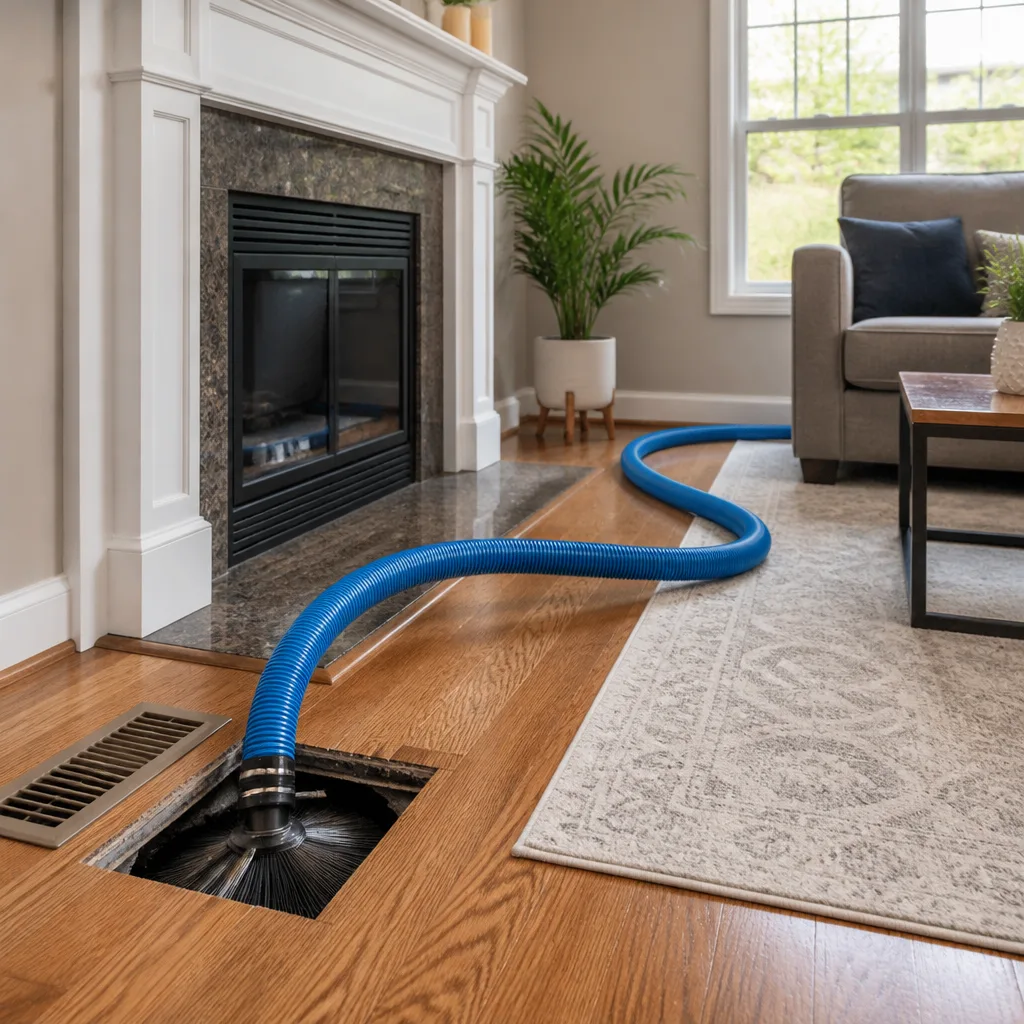 Whole-home duct cleaning
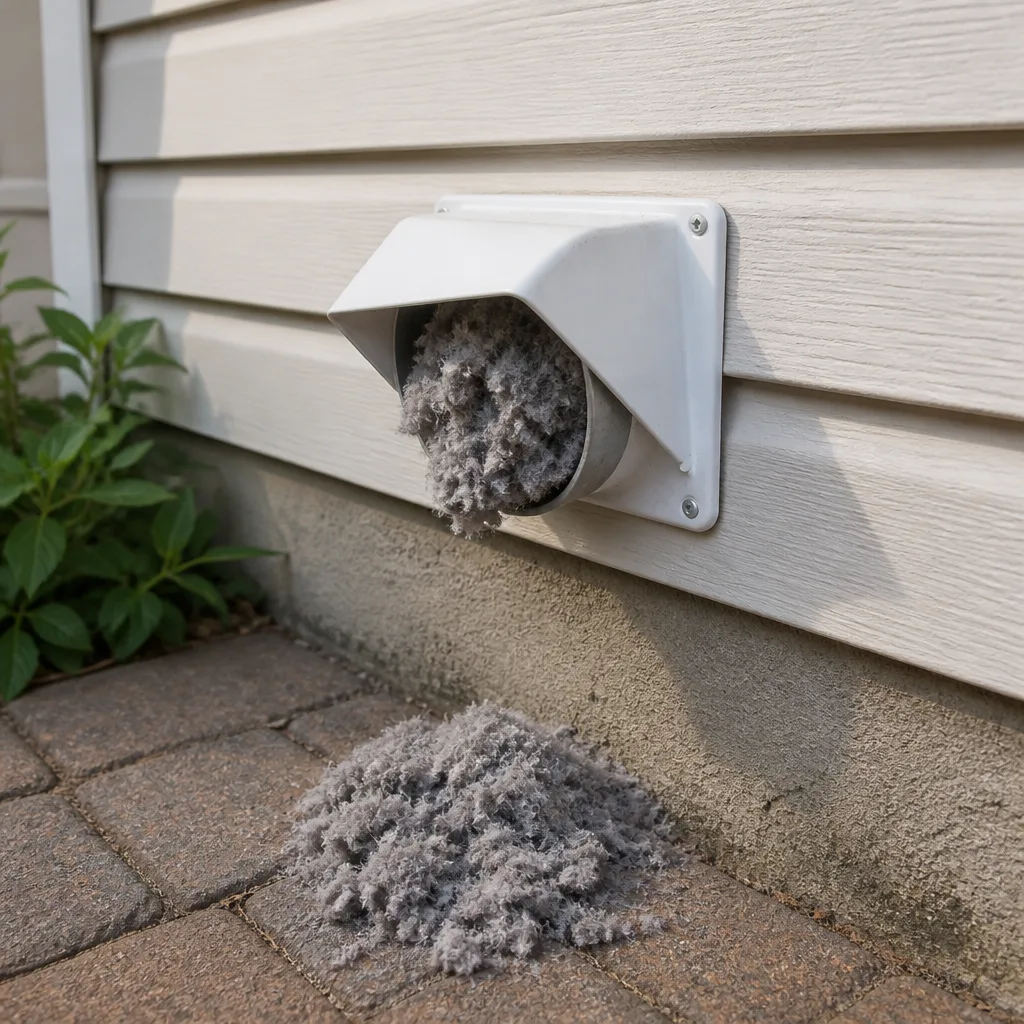 Dryer vent cleaning
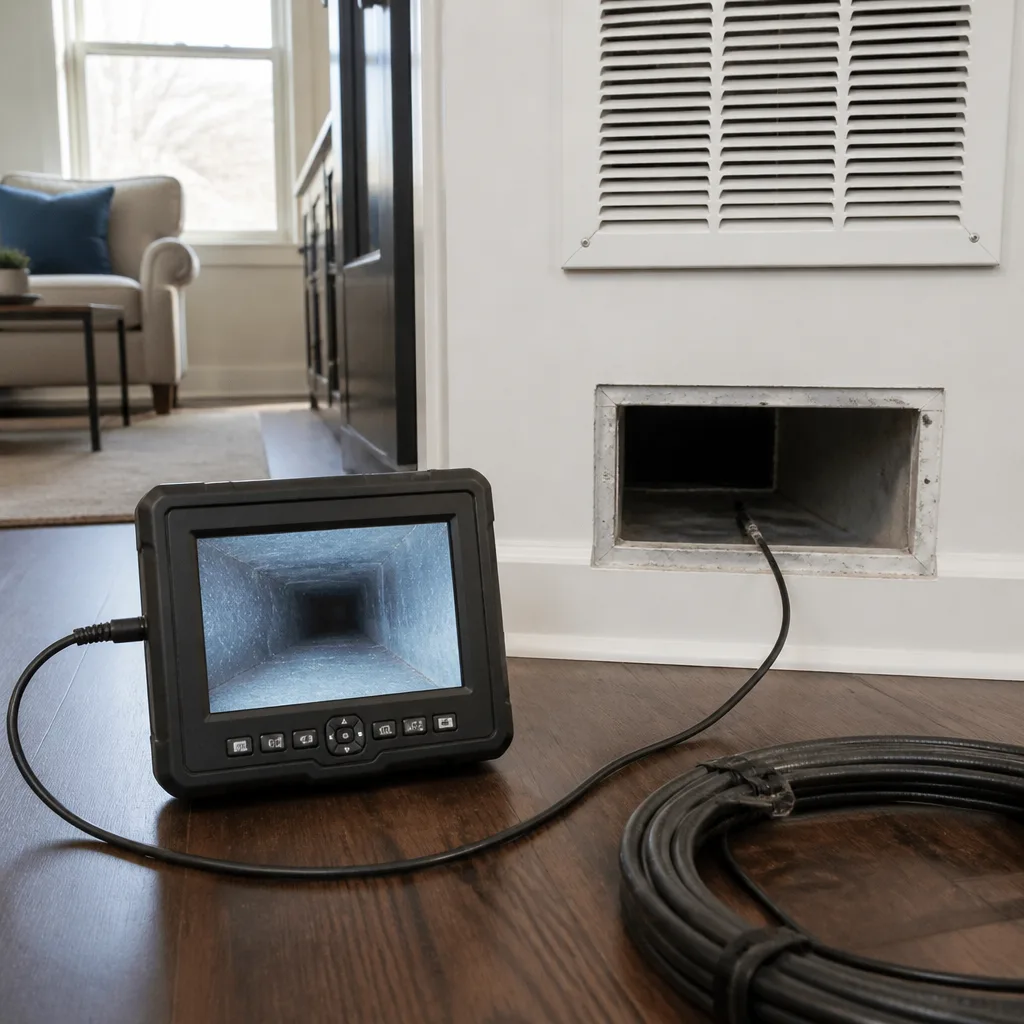 Camera inspection
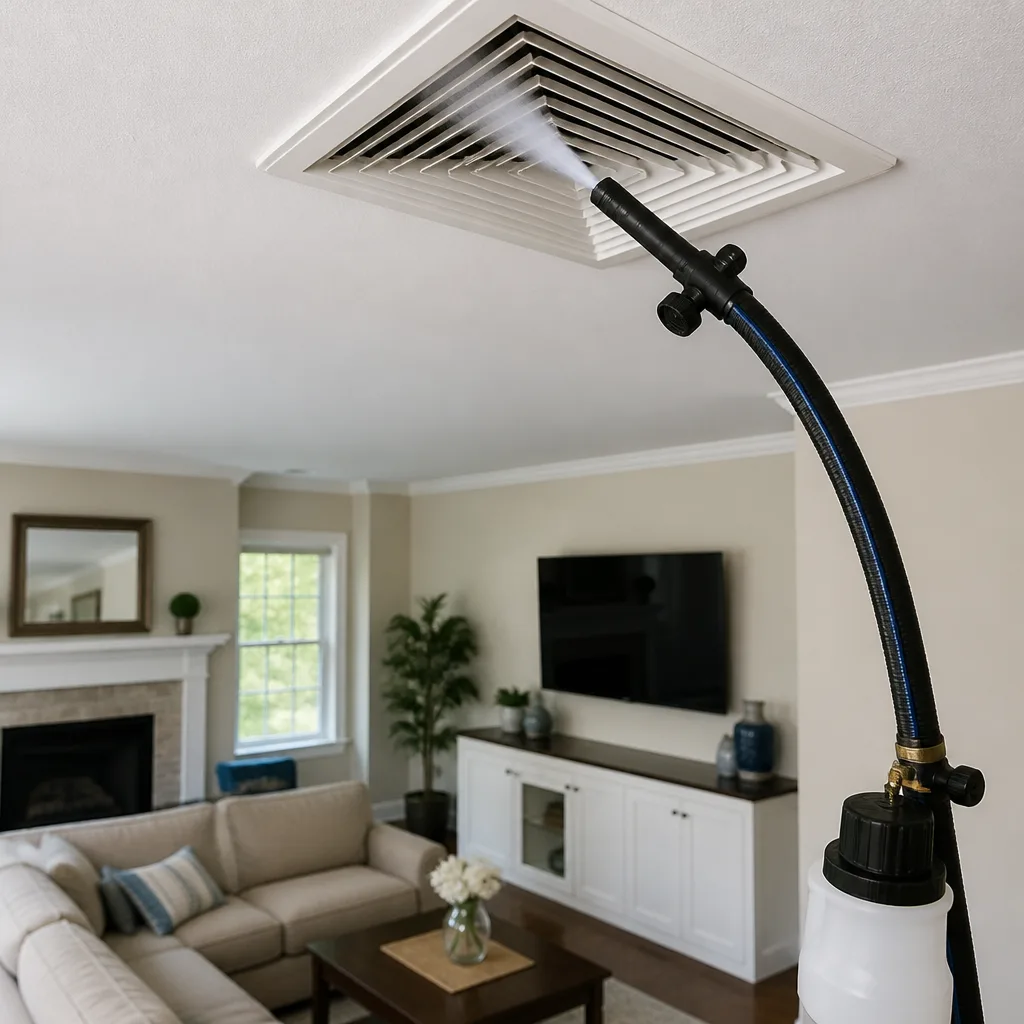 Sanitizing & deodorizing
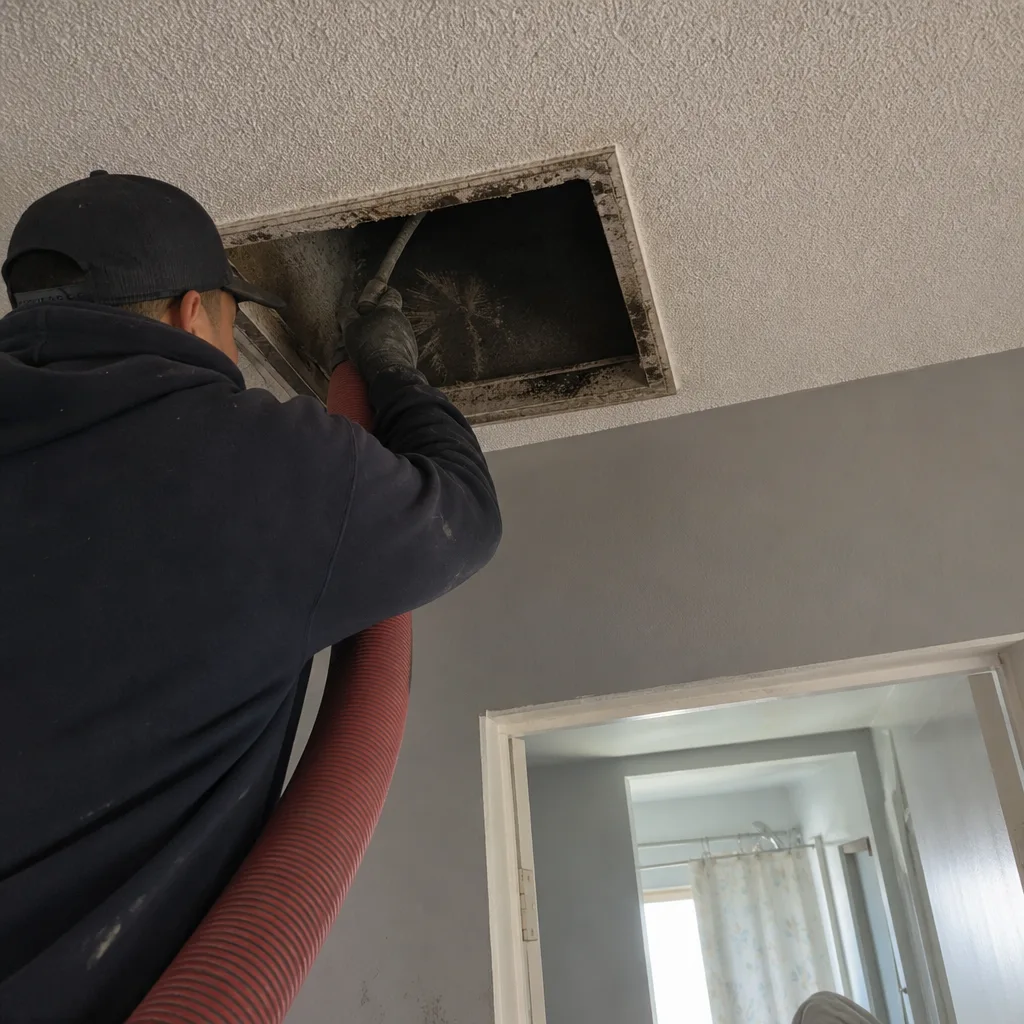
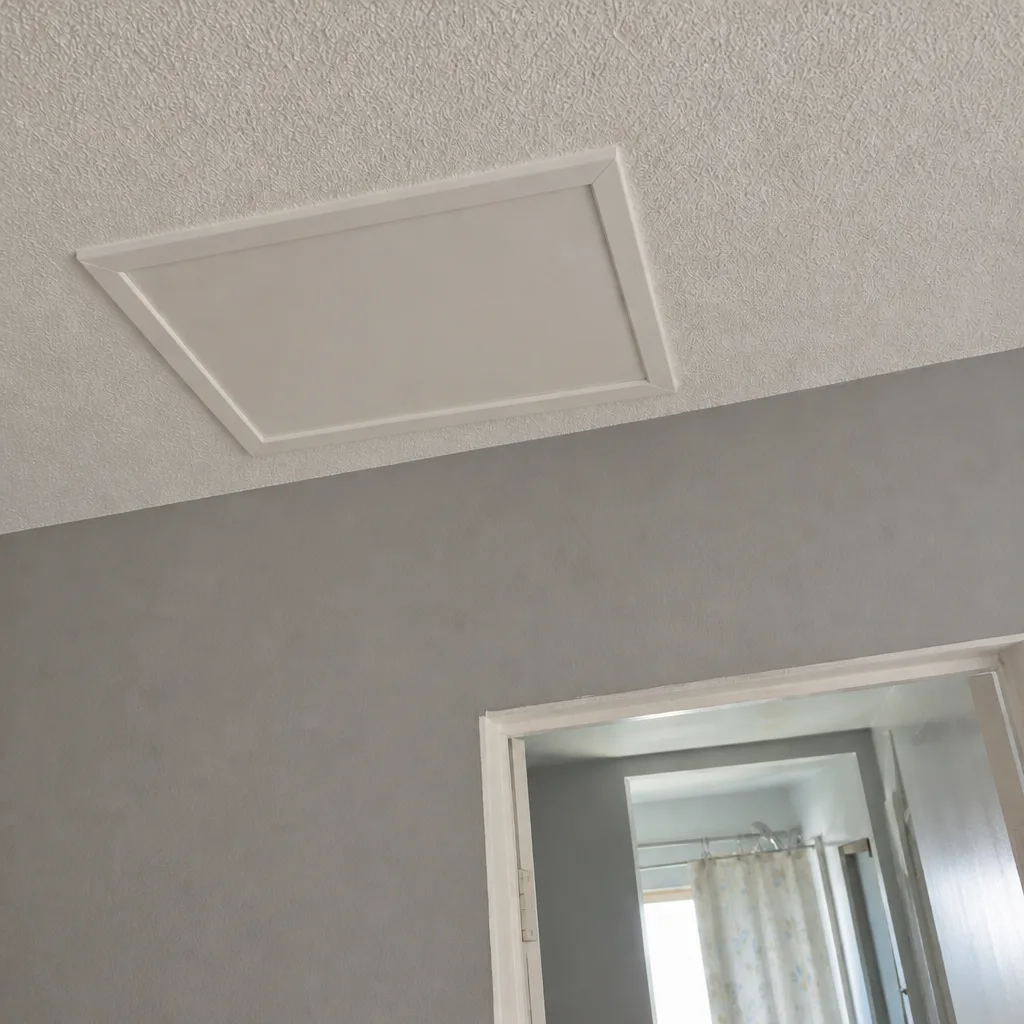
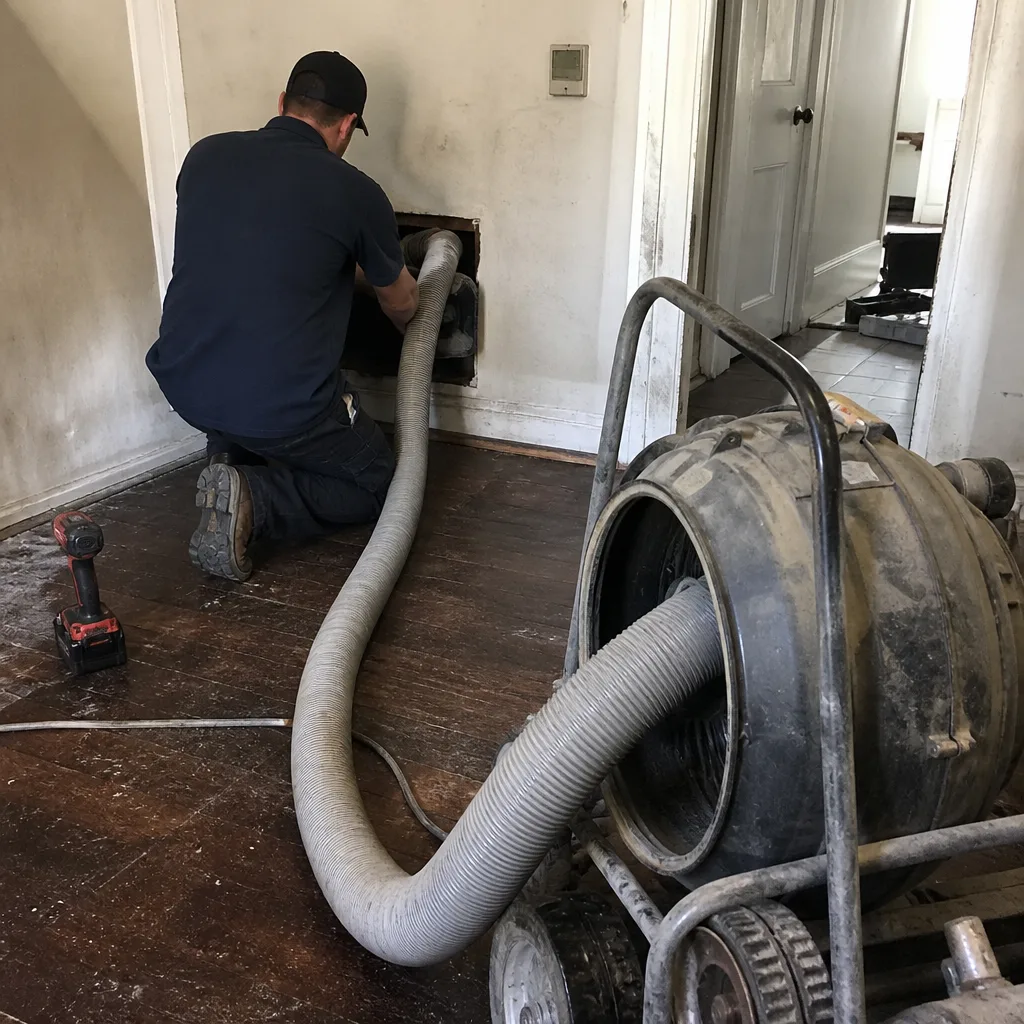
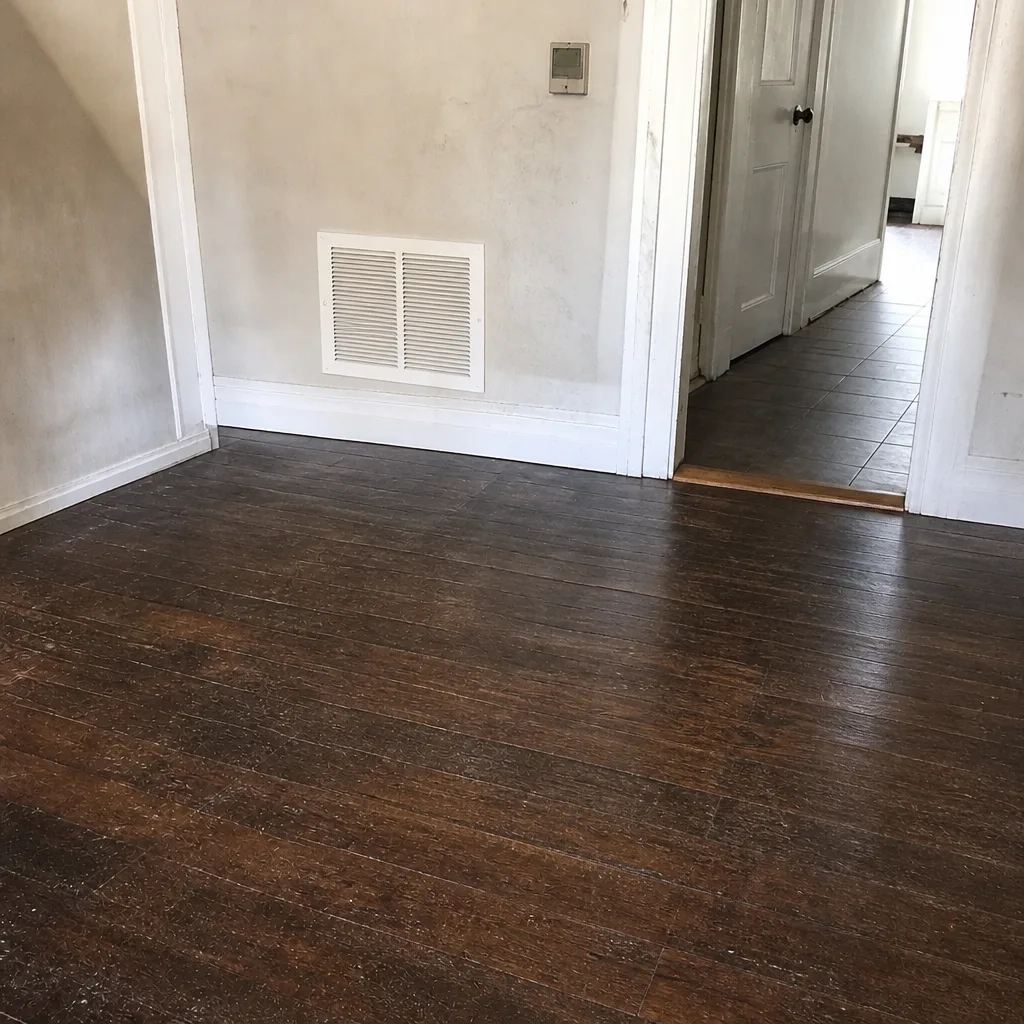
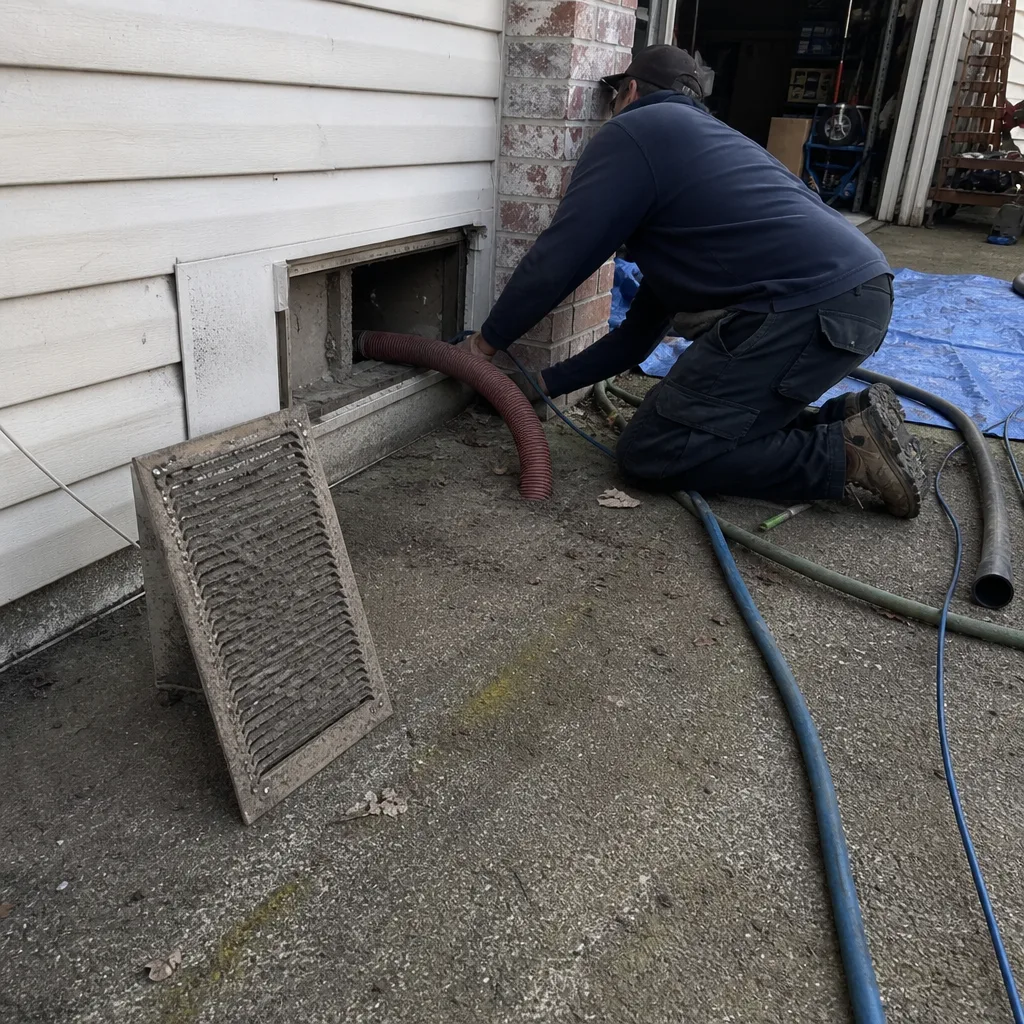
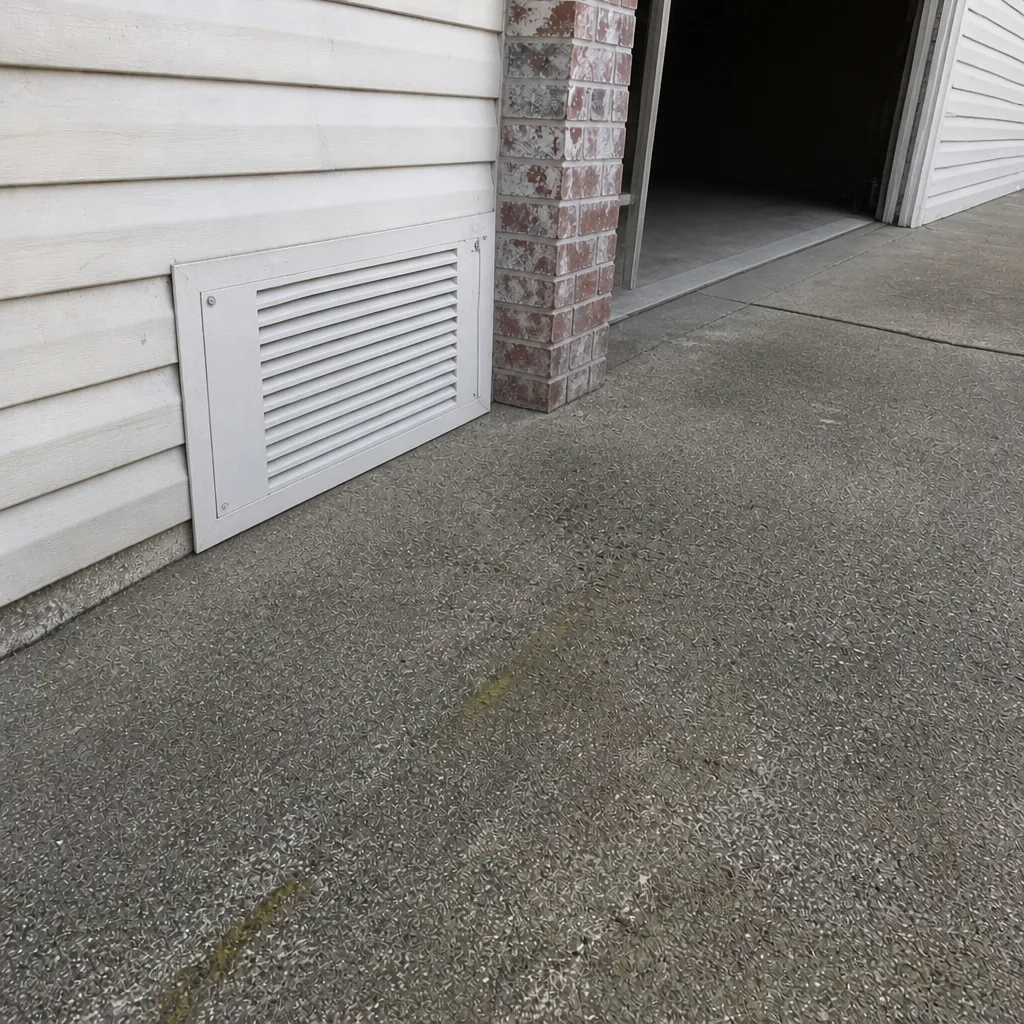
Whole-system duct and dryer vent check with before-and-after photos - you see exactly what came out of your vents
That "$99 whole-house special" is a bait ad - the real number appears once they are in your hallway, or the "clean" is a shop-vac at the register. We photograph the inside of your ducts before and after instead.
DIY vs Professional Air Duct Cleaning: The Gresham Homeowner’s Decision Guide
Here’s the part most cleaning crews won’t tell you: a consumer duct kit from the hardware store can clean about the first 18 inches of a supply branch. That’s it. The rest of the run, every elbow, every trunk line junction, sits untouched. A professional rotary brush system running under negative air pressure reaches the full length of the duct, not just the mouth of it. This guide is built around that gap. Not the price gap, the physics gap. We’ll walk through what consumer tools can realistically do, where they hit a wall, which duct layouts common in Gresham homes make DIY access impractical, and a decision matrix you can use to figure out which approach actually fits your house.
Quick Answer
DIY duct cleaning is worth doing for surface-level maintenance: register grilles, return air covers, filter changes, and a visual look inside what you can reach. Professional cleaning is the right call when you need the full duct run cleaned, when there’s visible debris or microbial growth deeper in the system, or when your ducts run through a crawl space or attic that makes access physically impractical. For most Gresham homes with flex duct in a crawl space or a trunk line in the attic, the decision usually points to professional equipment, not because DIY is dangerous, but because consumer gear can’t reach where the contamination actually lives.
Styles & brands we work with
- Whole-home duct cleaning
- Dryer vent cleaning
- Camera inspection
- Sanitizing & deodorizing
Table of Contents
- What DIY Duct Cleaning Can Legitimately Accomplish
- Where DIY Hits a Hard Limit: Reach, Suction, and Containment
- The Duct Configurations That Make DIY Impractical in Gresham
- When DIY Cleaning Can Actually Make Things Worse
- Consumer Tools vs Professional Equipment: A Capability Comparison
- The Decision Matrix: Three Variables That Determine Your Approach
- What a Professional Cleaning Actually Involves
- Common Mistakes to Avoid
- When to Call a Professional
- Frequently Asked Questions
What DIY Duct Cleaning Can Legitimately Accomplish
DIY duct work isn’t useless. It’s just narrow. There’s a real list of tasks a homeowner can do without any special equipment, and doing them regularly keeps a system cleaner between professional cleanings.
Here’s what’s genuinely within reach:
- Register grille and return cover cleaning. Removing the grilles and washing them in a sink removes dust that collects on the visible surface. A vacuum with a brush attachment gets the loose dust around the frame.
- Filter replacement. This is the single highest-impact maintenance task in any forced-air system. A clogged filter strains the blower and reduces airflow to every room, and swapping it on a schedule costs a few dollars.
- Visual inspection with a flashlight and phone camera. You can pop a grille, shine a light down a branch, and take a photo. You’ll see whether there’s a dust film, a buildup of debris, or something that looks like growth. That photo is useful information, even if you can’t act on it.
- Surface vacuuming of accessible duct mouths. A shop vac with a crevice tool can pull loose dust from the first stretch of a supply branch, and from the return boot where debris tends to collect.
- Sealing obvious gaps at the register boot. Duct tape or mastic on a visible gap at the floor or wall penetration stops air from leaking into a crawl space before it reaches the room.
That’s a real list. It’s the maintenance layer of duct care, and it’s worth doing whether or not you ever hire anyone. Where it runs out is the moment the question becomes “what’s inside the trunk line” or “what’s coating the inside of that flex run behind the drywall.” At that point, you’re talking about a tool problem, not a willingness problem.
One more thing worth stating plainly: the return side of the system usually carries more dust than the supply side, because it’s pulling air from every room through a single path. If you own a home in Gresham and you’ve never looked at the return boot, that’s the first place to shine the light.
Where DIY Hits a Hard Limit: Reach, Suction, and Containment
The reason DIY cleaning stops about 18 inches in isn’t laziness. It’s three physical constraints that consumer equipment can’t overcome, no matter how good the attachment is.
Reach
Consumer kits typically pair a shop vac with a short flexible hose or a spinning brush attachment. The hose can bend around one gentle turn, maybe two. A residential supply branch in a Gresham home might run 12 feet from the trunk to a register, with two or three 90-degree elbows along the way. A rigid or semi-rigid hose won’t negotiate that geometry. Professional rotary systems use a driven brush head pushed down the length of the duct on a flexible shaft; the brush head rotates against the duct wall, and the operator can feed it past multiple turns. The tool is different in kind, not just in size.
Suction and static pressure
Cleaning a duct isn’t just loosening debris, it’s removing it, and that requires airflow measured in cubic feet per minute under negative pressure. A shop vac moves a fraction of what a truck-mounted or high-capacity portable extraction unit moves. When a brush dislodges dust deep in a run, the vacuum has to pull that dust out of the duct before it settles back down. Under-powered suction means the debris gets stirred up and then re-deposits, which can leave the duct no cleaner than it started.
Containment and filtration
This is the piece most homeowners don’t think about until it’s a problem. When you agitate dust inside a closed duct system, the fine particles become airborne. Professional setups use negative air pressure with HEPA filtration to keep that dust from migrating into the living space. A shop vac without HEPA filtration can actually send fine dust back into the room’s air, which is the opposite of what you’re trying to accomplish. The equipment we run, including Rotobrush and Nikro systems, is built around this containment principle because that’s what the trade requires.
The short version: DIY loses the reach battle first, the suction battle second, and the containment battle third. Any one of those alone would be enough to hand the job off. All three together make the case pretty clear for anything beyond surface work.
The Duct Configurations That Make DIY Impractical in Gresham
Gresham’s housing stock makes the access problem worse than it is in some other parts of the metro. A lot of homes here, especially anything built from the 1970s onward, run their supply and return ductwork through crawl spaces or unconditioned attics. Flex duct is the standard for branch runs, and flex duct has a specific problem: it’s ribbed, it collapses and pinches at tight turns, and it sags over time. All of that makes it harder to clean and easier to damage with the wrong tool.
A few configurations come up over and over in Gresham:
- Crawl-space flex runs. The trunk line sits under the floor, and each supply branch snakes up to a register. To clean a branch, you need to reach the trunk side, which means working under the house. There’s no reasonable way to do that from inside the living space.
- Attic trunk lines with flex takeoffs. In homes where the air handler sits in the attic, the main trunk is up there, often insulated loosely and running above blown insulation. Access requires moving through an attic and locating the right branch among several that look alike.
- Long runs with sharp elbows. A register on a far wall from the air handler can trace a path with four or more turns. Consumer hose doesn’t make that trip.
- Returns sharing a chase with plumbing. Some older homes share the return path with a plumbing chase, which makes the return duct accessible only from a cramped interior run with no straight shot for a hose.
If your home has a slab foundation with ducts running through it (less common in Gresham than crawl space and attic layouts, but it happens), that’s a different conversation entirely; slab ducts are typically cleaned from the register side with specialized equipment and are never a DIY project. If you’re not sure which configuration you have, a quick look under the house or in the attic will tell you. That single fact, where your ducts actually run, shapes the rest of the decision.
We’ve spent enough time in Gresham crawl spaces and attics to know the layouts repeat. If you’re in a neighborhood like Rockwood or Centennial and your home dates to the mid-century decades, the chance your ductwork runs under the floor is high. Newer construction out toward the eastern edge of Gresham often puts the air handler in the attic instead. The neighborhood you’re in is a decent hint, but the only way to know for sure is to look.
When DIY Cleaning Can Actually Make Things Worse
There’s a scenario where a homeowner with good intentions does more harm than good. It’s not common, but it’s real, and it’s worth understanding before you rent equipment or pull out a shop vac.
The mechanism is simple. When you agitate dust, mold spores, or construction debris inside a duct without negative air pressure and HEPA containment, you loosen particles that then travel. Some of them travel into the room. Some of them settle back into parts of the duct that were previously clean, which spreads the problem into areas that didn’t have it before. In a system with heavy contamination (say, after a renovation that disturbed drywall dust, or after a long period of no filter changes), agitating the duct walls with the wrong tool can move the problem around without removing it.
A second way DIY makes things worse is duct damage. Flex duct is thin. The wire helix inside the plastic jacket keeps it shaped, but a rigid brush or a rough consumer attachment dragged through an elbow can tear the inner liner or crush a section. A crushed duct reduces airflow to every room downstream of it. Repairs then cost more than the cleaning would have. That’s why professional cleaning is done with tools matched to the duct material, and why the ability to do air duct cleaning without damaging the system is as much a skill as a piece of equipment.
A third scenario: if the contamination involves microbial growth, water intrusion, or pest activity, that’s not a cleaning problem first. It’s a diagnosis problem. Cleaning the surface without identifying the source (a leaky duct, an unsealed attic opening, a disconnected flex run) means the growth returns. Professional inspection catches the cause; a brush and a vacuum don’t.
We say this not to discourage anyone from touching their own system. We say it because we’ve seen the aftermath of a well-meaning attempt with the wrong tool, and the fix usually involves duct repair work that wasn’t on the original to-do list. If you’re in doubt, a professional assessment is a good use of a phone call.
Consumer Tools vs Professional Equipment: A Capability Comparison
This is the section that answers the physics question. Here’s how the two tool sets compare on the capabilities that actually determine whether the job gets done.
| Capability | Consumer Equipment (shop vac, DIY kit) | Professional Equipment (Rotobrush, Nikro) |
|---|---|---|
| Reach into a branch run | About 18 inches to a few feet, past one gentle turn | Full run, negotiates multiple elbows and trunk junctions |
| Agitation method | Vacuum attachment, short brush head | Driven rotary brush head on a flexible shaft, contact cleaning of the duct wall |
| Suction / airflow | Shop-vac airflow, low negative pressure | High-capacity extraction under negative pressure |
| HEPA filtration and containment | Typically none or minimal | HEPA filtration, dust contained before it enters the living space |
| Ability to reach under-floor or attic trunk lines | Not practical | Standard access through crawl space or attic with flexible systems |
| Ability to identify duct damage | Limited to visible sections | Full-run inspection, duct repair capability on the spot |
| Ability to clean whole system in one visit | No | Yes |
The comparison isn’t a knock on shop vacs. They’re great tools for the tasks listed in the first section. But cleaning an entire forced-air system is a different job than cleaning the mouths of it, and the professional equipment exists because the job can’t be done without it. The brands we work with, Rotobrush and Nikro, make professional systems for exactly this reason: HVAC and restoration professionals use them because consumer tools don’t do the job. We also work with Honeywell and Aprilaire equipment for filtration and air quality work, and with Abatement Technologies and Guardsman for broader indoor air quality and abatement work. None of those tools make sense for a homeowner to buy, but they make the case for a professional visit when the job calls for it.
One more capability worth naming: duct repair. Cleaning with professional tools also reveals problems, like a disconnected flex run, a crushed section, or a gap at a boot that’s been leaking into the crawl space for years. A cleaning-only crew hands you a report. When you need air duct repair, the visit should include fixing the problem, not just writing it down.
The Decision Matrix: Three Variables That Determine Your Approach
Forget the marketing pitches. The decision comes down to three variables. Look at each one honestly and the answer usually falls out on its own.
Variable 1: Home age and history
A home less than 10 years old with a well-maintained filter and no renovations will usually be fine with DIY maintenance for a few years. A home built in the 1970s or 1980s, or one that’s had a major renovation in the past two years, has more likely accumulated contamination that needs professional attention. Renovation dust (drywall, sawdust, insulation fibers) is one of the most common reasons people call us, and it’s exactly the kind of fine debris a shop vac can’t reliably remove from a full duct run.
Variable 2: Known contamination type
Dust and lint settle on visible surfaces; DIY handles those. Microbial growth, pest debris, water intrusion, and heavy construction debris are a different category and require professional equipment plus a diagnosis of the cause. If you can see dust on a register and nothing more, DIY maintenance is reasonable. If you can see discoloration, smell something musty, or you’ve had water in the system, professional inspection is the right first move.
Variable 3: System access and configuration
Slab-on-grade ducts, crawl-space trunks, and attic air handlers all require the professional toolset and the ability to work under the house or overhead. If your system is fully accessible from inside the living space (rare, but it exists in some homes with exposed ductwork), DIY has a wider reach. For most Gresham homes, this variable alone points to professional cleaning.
Score each variable:
- Home under 10 years old, no recent renovation, good filter history: DIY maintenance is fine for now.
- Home over 20 years old, or any recent major renovation, or a first-time inspection: professional cleaning is worth scheduling.
- Any known contamination (odor, visible growth, pest debris): professional inspection first, cleaning second.
- Crawl-space, attic, or slab configuration: professional equipment required for the branch runs.
- Any sign of duct damage (crushed flex, disconnected run, gaps at boots): professional repair, not cleaning, is the priority.
Add up where you land and the answer’s usually clear. If you’re still unsure, that’s a reasonable time to get a free estimate and let a technician look at the actual configuration. It’s a short conversation.
What a Professional Cleaning Actually Involves
If you go the professional route, here’s what should happen. The steps matter because they’re the difference between a system that’s genuinely cleaner and one that’s just been agitated.
- Inspection first. The technician should look at the configuration, find the trunk lines, identify any damage, and confirm access before any equipment is connected. Any professional visit starts with a look, not a quote.
- Containment setup. Negative air pressure with HEPA filtration is established at the air handler or a designated return, so dust lifted inside the system is pulled out, not pushed into the room.
- Register and grille removal. Every register gets pulled, the boot cleaned, and the supply branch cleaned from the room side.
- Rotary brush cleaning of branch runs and trunk lines. A driven brush head on a flexible shaft, matched to the duct material, reaches the full run and cleans the duct wall rather than just the middle of the airflow path.
- Return side cleaned. Return ducts carry more dust than supply runs, and skipping them leaves the system half done.
- Air handler and blower compartment checked. The blower wheel and the cabinet should be inspected and cleaned if needed. A dirty blower wheel reduces airflow and can’t be reached by DIY work at all.
- Post-cleaning inspection and photos. Before-and-after photos of your own ductwork are the only honest way to know the work happened. Ask for them if they’re not offered.
- Repair findings addressed. Crushed flex, disconnected runs, and gaps at boots should be fixed on the spot where possible. That’s a primary reason we offer duct repair alongside cleaning: the visit shouldn’t end with a list of problems.
While the system is open, it makes sense to think about filtration too. Upgrading to a better filter is a real, low-cost improvement, and Honeywell and Aprilaire make filter and air quality equipment that pairs with residential systems. It’s not a mandatory upgrade, but a professional visit is the natural moment to ask about it. For anyone in Gresham dealing with allergy symptoms or a recent renovation, the filtration conversation is often as useful as the cleaning itself.
On pricing, the honest answer is that duct cleaning for a whole system is priced per system, not per vent. That’s because the work scales with the number of systems and the configuration, not the number of holes in the floor. A quote that comes in per-vent with a low teaser number is a warning sign, since the per-vent multiplier typically produces a much larger invoice once the technician is on site. A flat price per system, agreed in writing before work starts, is the fairer structure. If you need honest whole-system range information, we can provide it in a free estimate.
Common Mistakes to Avoid
- Assuming a shop vac will clean a duct run. It’ll clean about 18 inches and then stop, but the debris behind that point doesn’t stop existing. Reaching for the shop vac feels productive and leaves the actual problem untouched.
- Renting equipment without HEPA filtration. Rental duct cleaning gear without HEPA filtration can push fine dust back into the living space. Anyone with allergies will notice that quickly.
- Agitating heavy contamination without containment. Drywall dust, mold spores, and pest debris should never be loosened inside a duct without negative pressure and HEPA containment. The particles go somewhere, and the “somewhere” is usually the room.
- Running a rigid brush through flex duct. Flex duct has a thin inner liner. A rigid brush or aggressive attachment can tear it or crush an elbow, reducing airflow downstream. Professional systems are matched to the duct material for this reason.
- Skipping the return side. Return runs carry more dust than supply branches. A cleaning that covers supply only is a partial job, and the return trunk is one of the places professional equipment is most needed.
- Ignoring the leakage that caused the dust. Dust accumulation inside a duct often comes from a gap at a register boot, an unsealed attic opening, or a disconnected flex run. Cleaning without sealing means the same problem returns. If you’re not sure where the dust is entering, ask.
- Assuming air quality problems are a duct-only issue. Sometimes the fix involves filtration, humidity, or a source in the living space. A technician who can look at the whole system, rather than just clean the ducts, catches more. That’s why we work with air quality products from Honeywell, Aprilaire, and Abatement Technologies alongside Rotobrush and Nikro cleaning equipment.
When to Call a Professional
You’re the best judge of what’s going on in your house, so here are the situations that usually mean it’s time to pick up the phone. When the ducts run through a crawl space or attic, when the system has never been cleaned and the home is more than two decades old, when there’s a musty smell from the registers, when a recent renovation filled the house with dust, or when a filter change doesn’t stop visible dust buildup at the registers, professional cleaning is the right next step. Add a suspected crushed or disconnected duct and the priority shifts from cleaning to repair.
Duct Cleaning Gresham offers free estimates in Gresham, and our technicians can walk through the configuration, identify any duct damage, and give you a flat price per system before any work begins. We answer 24/7. Fast dispatch from 7am to 7pm, Sunday through Friday. Call (844) 523-1942.
While you’re thinking about ductwork, dryer vents are worth a mention. Dryer vent cleaning is one of the highest-value maintenance calls you can make for fire safety, and it’s easy to forget because the system hides behind the wall. We handle that alongside duct cleaning and duct repair, so one visit can cover all three. See our dryer vent cleaning service for what’s involved.
Frequently Asked Questions
Yes, for surface-level maintenance: washing register grilles, replacing filters, cleaning return covers, and doing a visual inspection with a flashlight. What you can’t do with consumer equipment is clean the full run of a supply branch or reach the trunk lines under a crawl space or in an attic, which is where most of the contamination lives in a typical Gresham home.
Duct cleaning is priced per system, not per vent, and the range depends on the number of systems, the configuration, and any duct repair work needed. That’s why per-vent coupons end up costing more once a technician arrives; the per-vent structure is designed to multiply. A written estimate before work starts is the honest way to structure it. Call (844) 523-1942 for a free estimate.
The cheap quotes usually structure the price per vent and use minimal equipment, so the quoted number is a starting point rather than the final price. Reliable shops work with professional-grade systems (Rotobrush, Nikro or equivalent) because the equipment is what does the cleaning. A flat price per system, agreed in writing, is the structure that avoids the surprise.
Most homes go several years between cleanings, and the honest trigger isn’t a calendar interval; it’s a change in the home. A renovation, a new pet, a first-time inspection of an older home, visible dust buildup at registers that filter changes don’t fix, or a musty odor are the usual reasons to schedule a cleaning. Homes with allergies, pets, or a recent renovation tend to need it more often than homes that stay closed and filtered.
Before-and-after photos of your own ductwork are the only honest proof. Ask for photos of the trunk line, a branch run, and the return side. A reputable company will offer them without being asked. If you can see the inside of a duct before and after, you don’t have to take anyone’s word for it.
DIY cleaning can damage flex duct if a rigid brush or aggressive attachment tears the liner or crushes an elbow. Duct repair shouldn’t be skipped; a crushed or disconnected run reduces airflow to every room downstream, and cleaning the system without repairing the damage just leaves the airflow problem in place. A professional inspection catches this. Call (844) 523-1942 for a free estimate.
The Bottom Line
The DIY vs professional question is not really a cost question. It’s an access and equipment question. Consumer tools clean the visible edge of a duct system; professional systems from Rotobrush and Nikro clean the full run, contain the dust, and reveal repairs that DIY never finds. If you’re doing filter changes and grille cleaning, you’re already doing the maintenance that matters most between professional visits. If you’re in a Gresham home with crawl-space flex runs, an attic air handler, a recent renovation, or any visible contamination, the professional route is the one that actually reaches the problem. A free estimate is a reasonable first step, and the flat price per system is set before any work begins.
Written by the team at Duct Cleaning Gresham.
See the difference
 Before
 After
 Before
 After
 Before
 After