
Last updated November 15, 2026
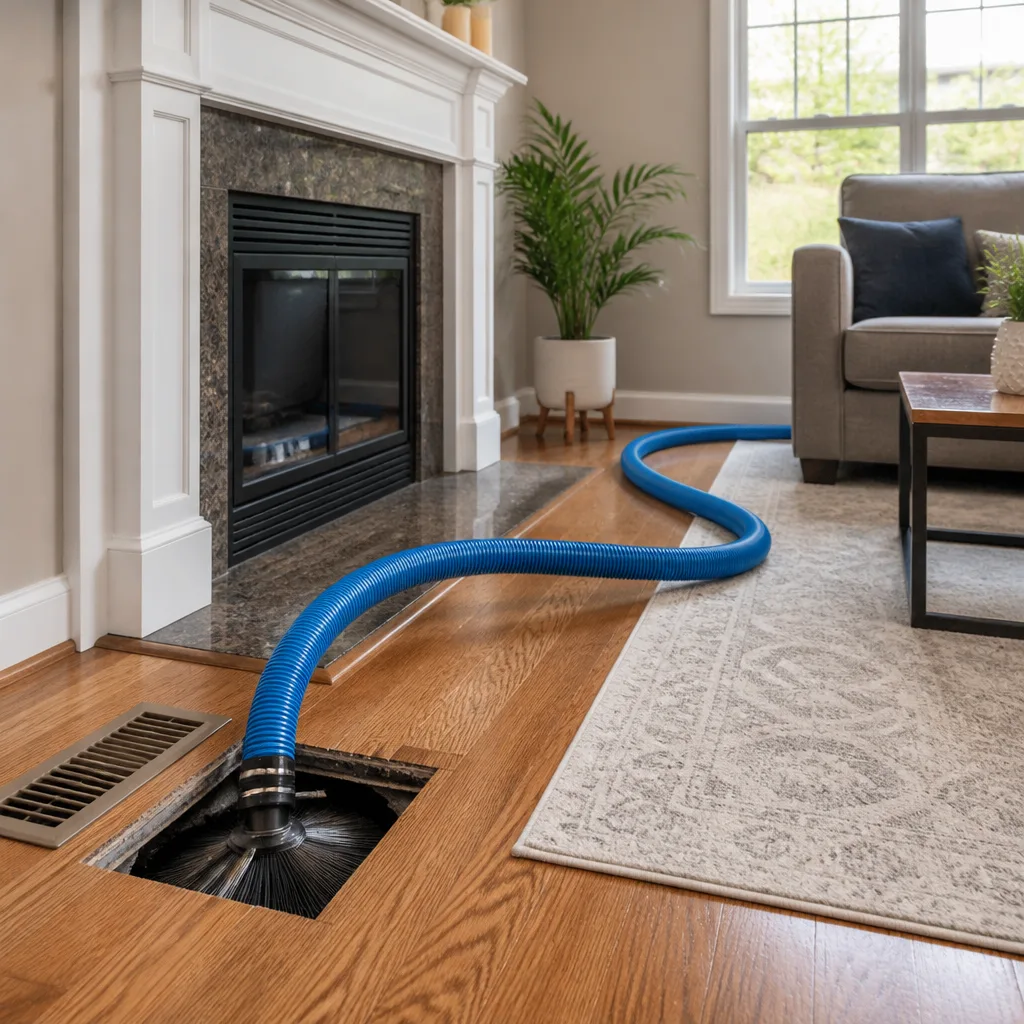 Whole-home duct cleaning
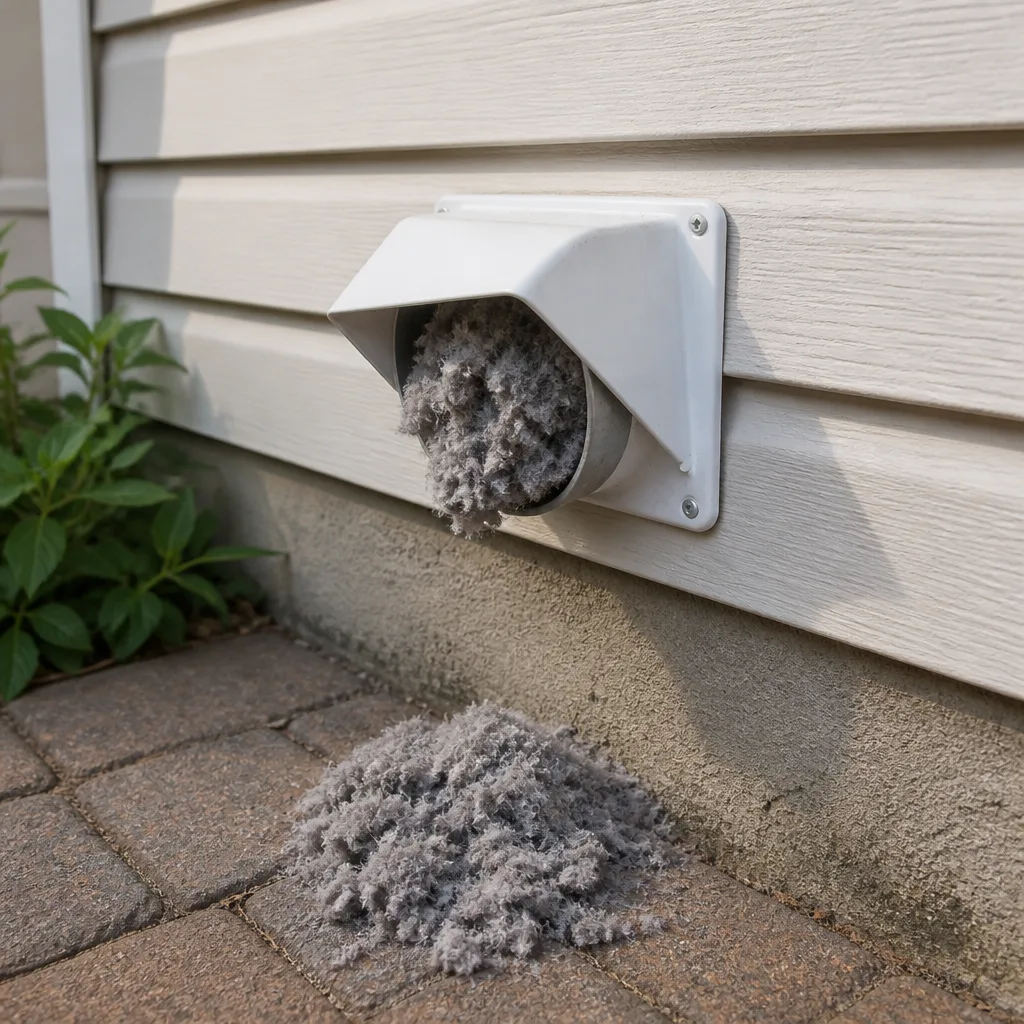 Dryer vent cleaning
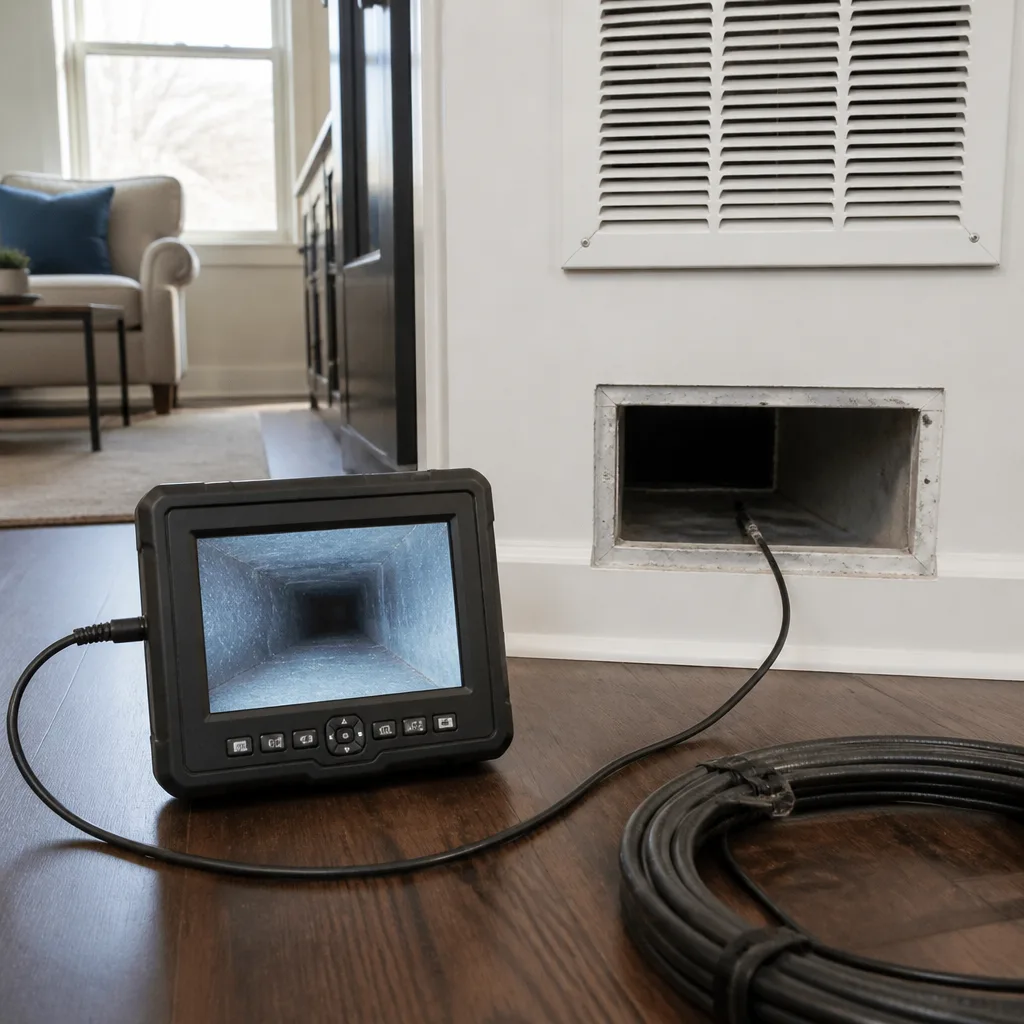 Camera inspection
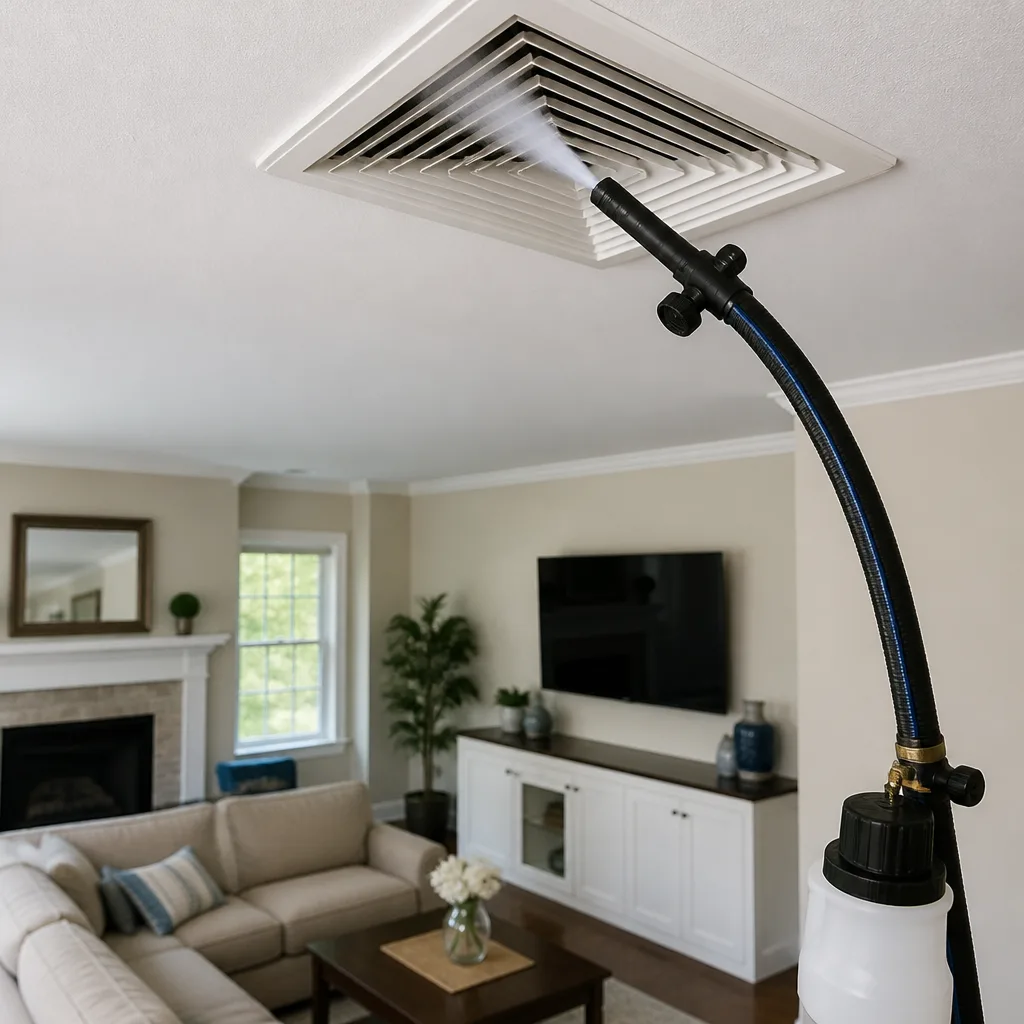 Sanitizing & deodorizing
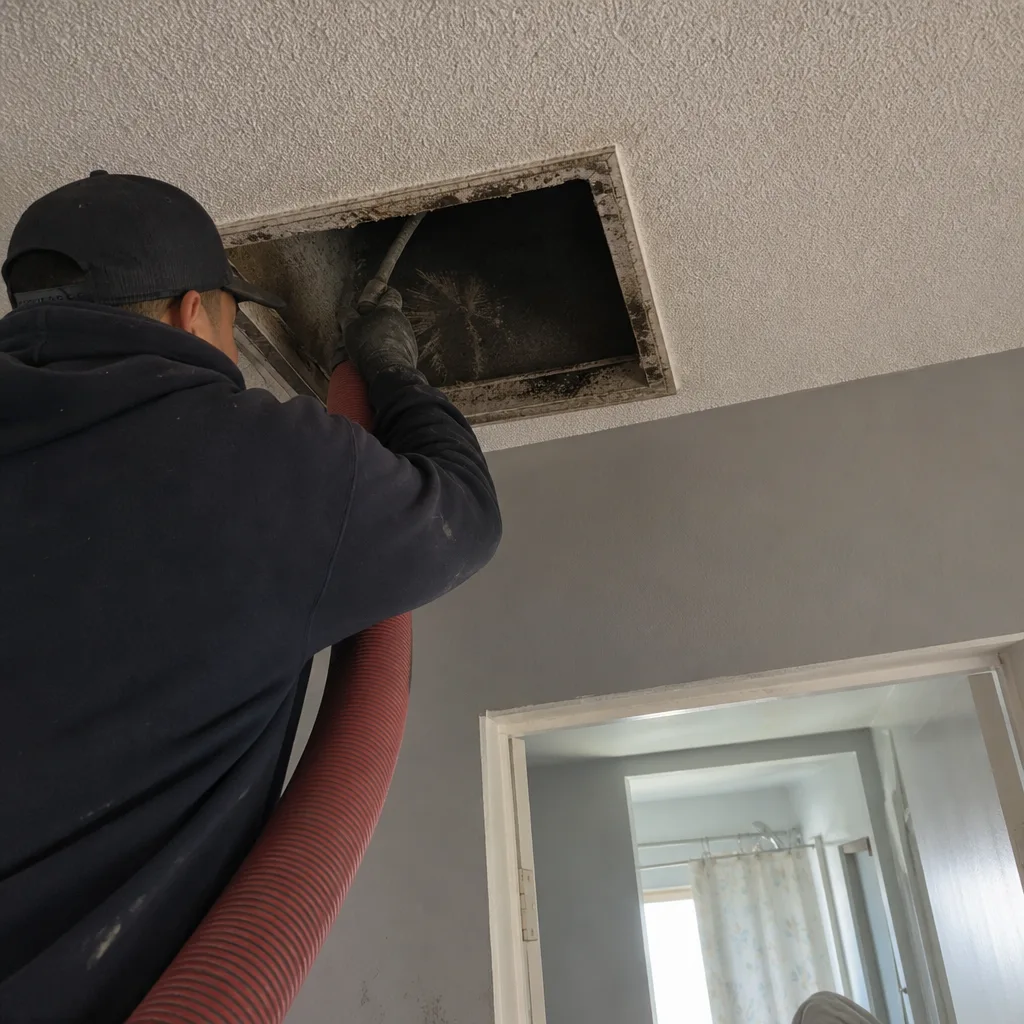
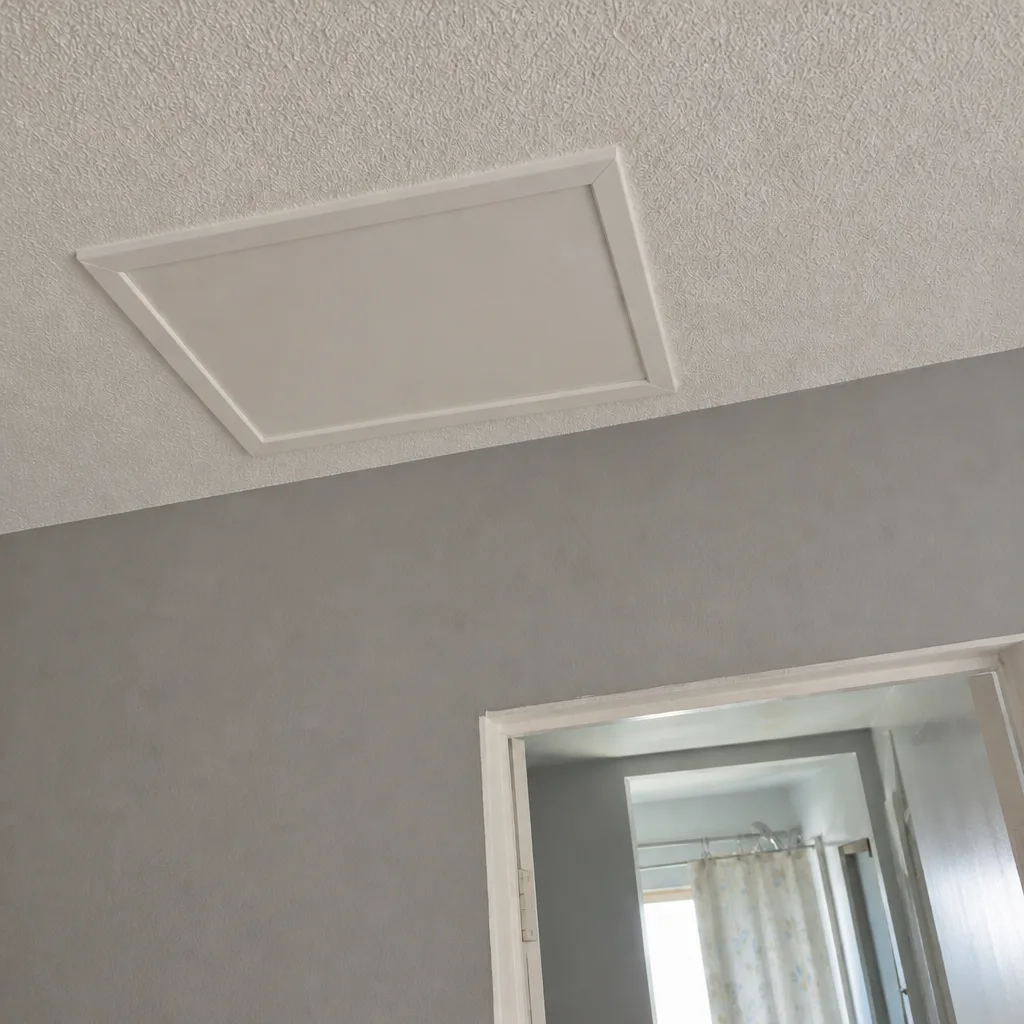
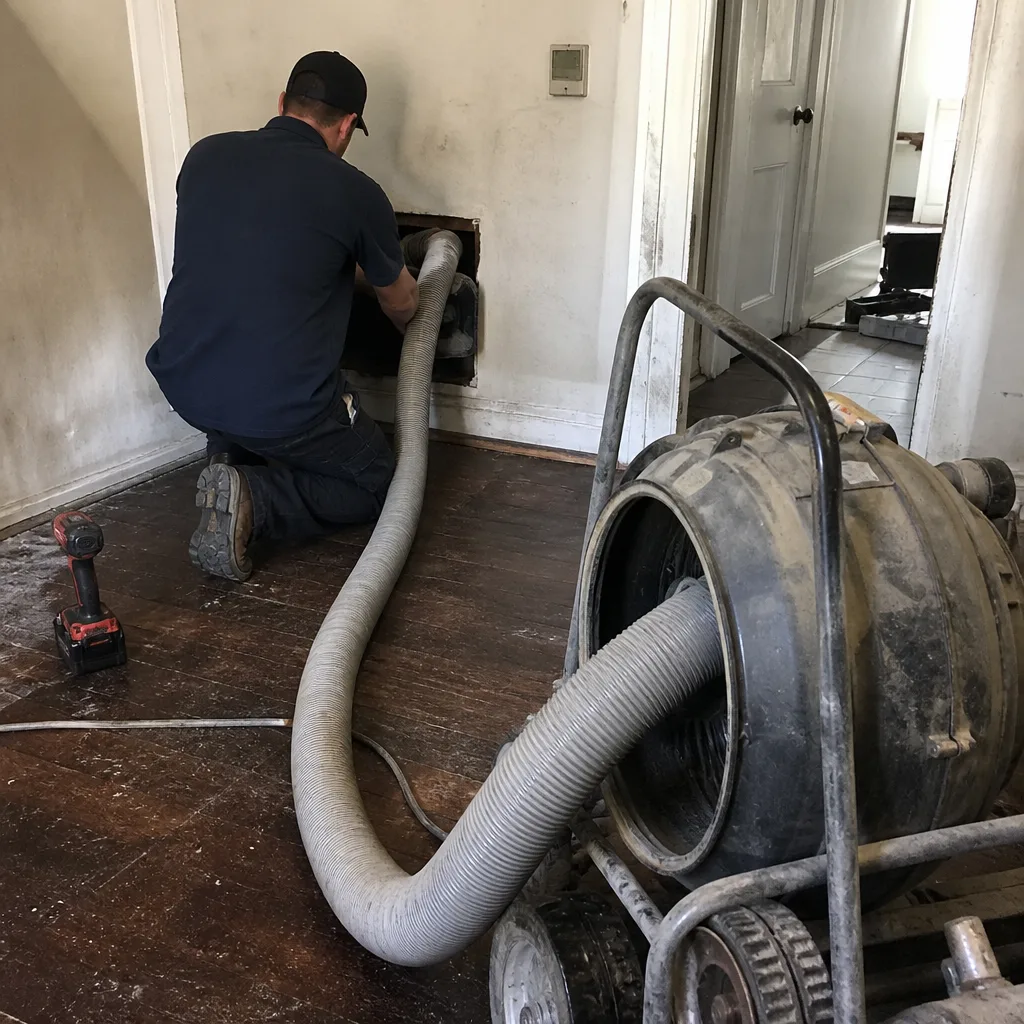
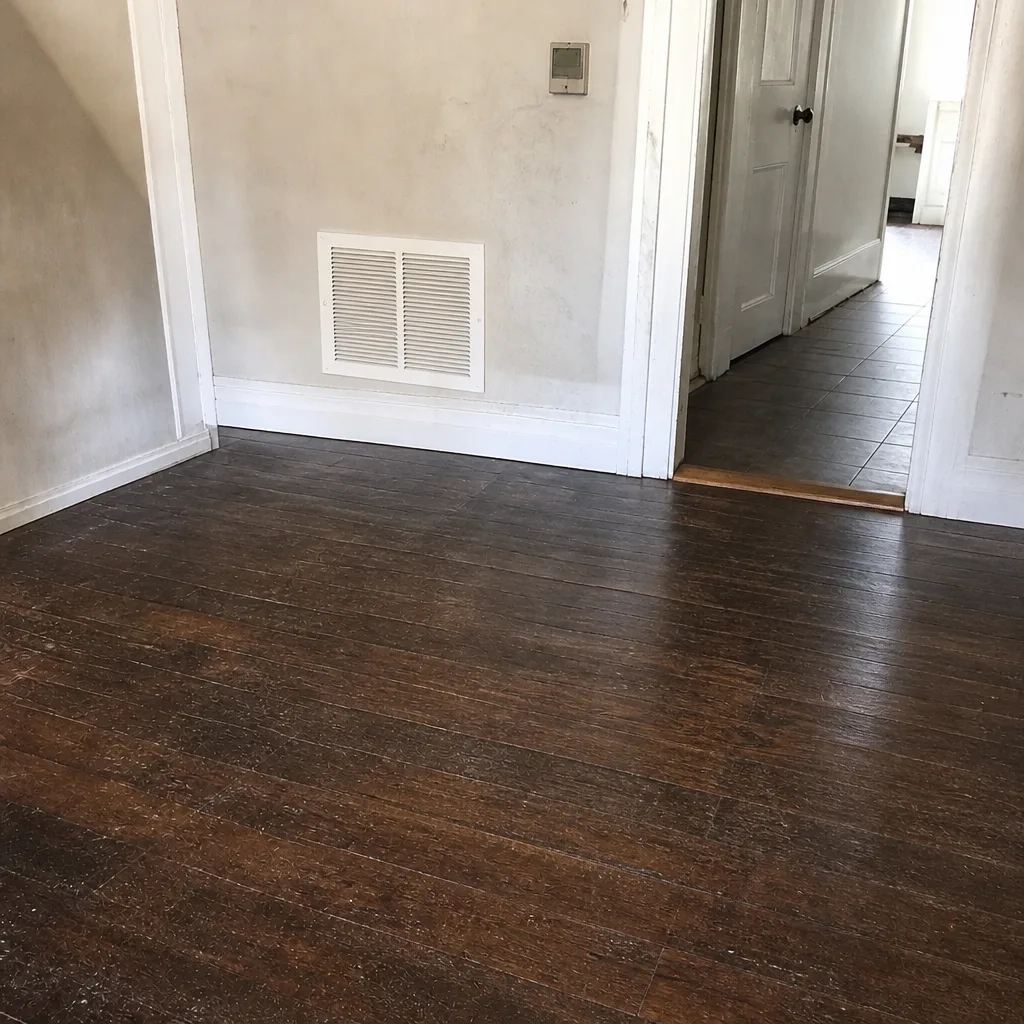
Whole-system duct and dryer vent check with before-and-after photos - you see exactly what came out of your vents
That "$99 whole-house special" is a bait ad - the real number appears once they are in your hallway, or the "clean" is a shop-vac at the register. We photograph the inside of your ducts before and after instead.
Air Duct Cleaning Permits, Codes & Inspections in Gresham, OR: What You Need to Know
A contractor who patches a collapsed flex duct run without a permit isn’t just cutting corners. They’re leaving you with an unpermitted mechanical repair that can surface years later during a home sale inspection, usually at the worst possible moment. Here’s the confusing part: air duct cleaning itself doesn’t require a permit in Oregon, so most homeowners assume nothing about their ducts is regulated. That’s wrong the moment the work crosses from cleaning into repair, modification, or reconnection to a mechanical system. This guide walks through exactly where that line sits, how the City of Gresham’s building department handles mechanical permits, and what to ask before you let anyone touch your ductwork in Gresham.
Quick Answer
Routine air duct cleaning does not require a permit in Oregon. Duct repair, replacement, rerouting, or any work that modifies or reconnects ductwork to a heating and cooling system generally falls under the Oregon Mechanical Specialty Code and does require a mechanical permit pulled through the City of Gresham’s building department. Unpermitted duct repairs can create disclosure obligations and inspection problems when you sell a home in Oregon, so the paperwork matters as much as the workmanship.
Styles & brands we work with
- Whole-home duct cleaning
- Dryer vent cleaning
- Camera inspection
- Sanitizing & deodorizing
Table of Contents
- Where Does Cleaning End and Repair Begin?
- What Oregon Mechanical Specialty Code Section 603 Covers
- Which Duct Work Triggers a Permit in Gresham
- How Gresham’s Building Department Handles Mechanical Permits
- Unpermitted Repairs and Seller Disclosure in Oregon
- What to Ask a Contractor Before Repair Work
- What a Mechanical Inspection Actually Looks At
- How Gresham’s Climate and Housing Stock Fit In
Where Does Cleaning End and Repair Begin?
This is the question that trips up homeowners and, frankly, more than a few contractors. Cleaning is maintenance. Repair is construction. Oregon’s code treats them differently, and the distinction comes down to whether the work changes the physical system or just removes debris from it.
Cleaning, in the regulatory sense, means removing dust, debris, and buildup from duct interiors without altering the ducts themselves. We run professional-grade equipment from Rotobrush and Nikro through the system, use negative pressure and agitation tools, and the ducts come out the other side in the same configuration they started in. No permit. No inspection. That’s true whether you’re in a ranch house near downtown Gresham or a newer build out toward the east side.
Repair is a different animal. The moment a technician cuts into a duct, replaces a section of flex run, reseals a disconnected joint with new materials, reroutes a trunk line, or reconnects ductwork to a furnace or air handler, the work has entered mechanical code territory. Here’s a simple way to think about it:
- Cleaning only: no permit needed. Debris removal, coil cleaning, register and grille cleaning.
- Cleaning plus minor resealing of existing joints: usually no permit, but ask the contractor to be clear about scope.
- Replacing a duct section or run: typically requires a mechanical permit.
- Rerouting ductwork or adding a new supply or return: requires a permit.
- Reconnecting ducts to a furnace, air handler, or new equipment: requires a permit.
The gray zone is real. A contractor who mastic-seals a small leak at a joint is doing maintenance. A contractor who cuts out two feet of crushed flex duct and splices in new material is doing a mechanical repair. If your contractor can’t articulate which side of that line they’re on, that’s your first warning sign. We’re happy to walk any Gresham homeowner through the scope before we start, and we’ll tell you plainly when a repair needs a permit pulled.
What Oregon Mechanical Specialty Code Section 603 Covers
Section 603 of the Oregon Mechanical Specialty Code is the chapter that governs duct construction, installation, and repair. It’s the section a building official reaches for when they’re looking at whether ductwork was installed correctly, whether materials meet standards, and whether the assembly is sealed, supported, and sized appropriately for the system it serves.
What Section 603 actually does, in practical terms:
- Sets requirements for duct materials, including what’s acceptable for supply, return, and exhaust runs.
- Addresses duct sealing, so that joints and connections don’t leak conditioned air into attics, crawlspaces, or wall cavities.
- Governs support and spacing, so ducts don’t sag, crush, or pull apart over time.
- Covers clearances to combustibles and to other building components, which matters in tighter mechanical closets.
- Applies to both new installations and repairs to existing systems.
For a Gresham homeowner, the key takeaway is this: when a contractor repairs ductwork, that repair is supposed to bring the affected section into compliance with the current code, not just restore it to however it was installed years ago. Older homes in Gresham, particularly those built before the 1990s, often have duct systems that wouldn’t pass a fresh inspection. Sagging flex runs in attics, disconnected joints behind drywall, and undersized returns are all common. A repair is the moment to correct those, and a mechanical inspector will be looking at exactly that.
If you want a plain-language explanation of what a full system cleaning involves before any repair conversation starts, our air duct cleaning page walks through the process step by step.
Which Duct Work Triggers a Permit in Gresham
Multnomah County and the City of Gresham follow the Oregon statewide code, with the city’s building department issuing mechanical permits for work within city limits. The triggers are consistent, and they’re worth knowing before you sign an estimate.
Work that generally does require a mechanical permit:
- Replacing or installing new rigid or flex ductwork.
- Adding a new supply register, return grille, or duct run.
- Rerouting an existing duct to improve airflow or accommodate a remodel.
- Reconnecting ducts to a replacement furnace, air handler, or heat pump.
- Sealing duct systems as part of a larger mechanical alteration, when the sealing is scoped alongside other permitted work.
- Any duct repair that involves cutting into the system and installing new materials.
Work that generally does not require a permit:
- Cleaning of ducts, registers, grilles, and coils.
- Replacing air filters.
- Minor maintenance, such as tightening existing connections or replacing a register cover.
- Dryer vent cleaning, which falls under appliance maintenance rather than mechanical construction.
That last item is worth a note. Dryer vent cleaning doesn’t need a permit, but it’s one of the more important maintenance tasks in a Gresham home because a clogged vent is a genuine fire risk. Regular dryer vent cleaning keeps lint from accumulating in the run and is one of the simplest safety measures available to any homeowner. On the repair side, if your dryer vent run itself needs rerouting or replacement, that work shifts into construction territory and can require a permit depending on scope.
One more clarification: replacing a furnace, heat pump, or air handler is a mechanical permit job independently of any ductwork. If your HVAC contractor is pulling a permit for equipment replacement, duct modifications connected to that job should be included on the same permit. A contractor who pulls for the equipment but not the ductwork is creating a gap in the record.
How Gresham’s Building Department Handles Mechanical Permits
The City of Gresham’s building department issues mechanical permits for work inside city limits. The process itself is straightforward, but the sequencing matters.
- Permit application. Your contractor submits an application describing the scope of duct work, the address, and the system being modified. Residential mechanical permits are typically filed online or in person at the permit counter.
- Plan review or over-the-counter approval. Simple residential duct repairs are often approved over the counter. Larger alterations may require a brief plan review.
- Permit issuance. Once issued, the permit is posted and the work can proceed.
- Inspection. After the work is complete, the contractor calls for inspection. A mechanical inspector reviews the installation against Section 603 requirements.
- Final approval. The permit closes only when the inspection passes.
Homeowners should know the inspection comes after the work, not before. That means the permit itself is the only paperwork trail that the work was scoped and approved. Without it, an inspector never looks at the finished product. If you’re selling a home later and a buyer’s inspector flags a duct repair, the absence of a permit record is what turns a small question into a negotiation.
For homeowners in Gresham, we recommend confirming two things before repair work proceeds: that the contractor pulled the permit in their own name, and that you have a copy of the permit number and the final inspection sign-off for your records. That file is your proof if anyone asks about the work later. If your contractor isn’t licensed to pull a permit, that’s a licensing problem, not a paperwork preference.
Unpermitted Repairs and Seller Disclosure in Oregon
Oregon’s seller’s property disclosure statement asks sellers to disclose known material defects and any unpermitted work they’re aware of. That’s the operative phrase: known and aware. An unpermitted duct repair that the seller never knew about doesn’t create a disclosure obligation. But once the homeowner is aware, the obligation exists, and it travels with the property.
In practice, this plays out in a few predictable ways:
- Pre-listing inspection. A home inspector checks ductwork as part of the mechanical systems review. Crushed flex runs, disconnected joints, and visible unsealed repairs get noted.
- Buyer’s inspector follow-up. The buyer’s inspector notes the same issue and the buyer asks for documentation. If a permit was pulled, the seller produces it and the issue usually closes out. If not, the buyer sees an open question and often asks for a credit.
- Appraisal notes. Some lenders flag unpermitted mechanical work in appraisal reports, which can delay closing.
- Insurance review. Some homeowner policies ask about permitted work on mechanical systems when claims are filed. An unpermitted repair isn’t automatically a claim problem, but it complicates the conversation.
In our experience serving Gresham, we’ve worked with sellers who discovered years-old duct repairs during a listing inspection and had no documentation to satisfy the buyer. Pulling the permit on the front end is cheap compared to the negotiations it prevents. If you’re working with a real estate agent on a Gresham listing, bring the ductwork question up early, before inspections. It’s easier to document work that’s already been done than to explain work that wasn’t.
What to Ask a Contractor Before Repair Work
Whether you’re choosing a contractor for cleaning or for repair, the licensing conversation should happen before work starts. Oregon requires contractors doing construction work, including mechanical repair, to hold an active Construction Contractors Board (CCB) license. Cleaning-only services sometimes fall outside that requirement depending on scope and business structure, so it’s worth asking directly.
Here’s the list we’d recommend working through:
- Are you CCB-licensed? Ask for the license number and look it up on the CCB’s website. A licensed contractor can pull permits in their own name.
- Will this work require a mechanical permit? A contractor who says “no, never” to everything is probably wrong. A contractor who explains the distinction clearly is worth keeping.
- Who pulls the permit if one is required? The contractor should pull it in their own name. Homeowners pulling their own permits for contractor work rarely ends well.
- Will you schedule the inspection and give me the sign-off? A completed permit file is your proof of compliant work.
- What’s the code standard you’re repairing to? Section 603 is the reference. A contractor who knows that and can explain what it means for your repair is a contractor who’s done this before.
- Do you repair on the spot, or do you hand me a report? Cleaning crews that only clean will tell you what’s wrong and leave. A company that can’t do repair is a company that can’t fix what it finds.
- Can you show me before-and-after documentation? Photos of the ducts before cleaning, and photos of the repair if one was needed, are the honest record of what was done.
We handle air duct repair and cleaning in the same visit, which means when our technicians find a disconnected joint or a crushed run, they can correct it rather than document it and walk away. That matters because a system that gets cleaned but not repaired reintroduces the same debris into the supply air within weeks. Our technicians have up to 15 years of experience, and they’ve pulled mechanical permits for repair work in Gresham and worked through the inspection process with the city’s building department.
What a Mechanical Inspection Actually Looks At
A mechanical inspection after duct repair is a quick visit, but it’s thorough within its scope. The inspector is looking at compliance with the Oregon Mechanical Specialty Code, particularly Section 603, plus any project-specific items on the permit.
Common inspection checkpoints:
- Materials. Whether the replacement duct matches the required material standard and rating.
- Connections. Whether joints are properly sealed, mechanical fastening is present, and mastic or tape is applied correctly.
- Support. Whether sagging or unsupported runs have been corrected. Flex runs in Gresham attics often need additional strapping.
- Clearances. Whether the repaired section maintains clearance to combustibles and to the mechanical unit.
- Sizing. Whether the repaired section matches the airflow requirements of the system, not just a smaller replacement.
- Overall system coherence. Whether the repair integrates correctly with the rest of the system, or leaves an obvious mismatch.
The most common issue we see during inspection is under-sized replacements. A contractor who wants to save on materials may replace a 10-inch run with an 8-inch section. It fits, but it constricts airflow and creates back pressure the system was never designed to handle. Inspectors catch this, but it’s much easier to prevent before the ductwork is sealed up.
If your system includes indoor air quality equipment, such as a Honeywell or Aprilaire media filter cabinet, a bypass humidifier, or an Abatement Technologies air purification unit, mention it to the contractor before repair scoping. Mechanical inspectors will look at whether the IAQ components remain properly connected and clearanced after the ductwork is modified.
How Gresham’s Climate and Housing Stock Fit In
Gresham’s mix of wet winters, warm dry summers, and older housing stock creates duct conditions that show up repeatedly in inspection reports and during cleaning appointments. Our technicians see the same patterns across neighborhoods.
The biggest one is moisture cycling in the attic and crawlspace. Ductwork that runs through unconditioned attic space in Gresham is exposed to a wide annual swing in humidity and temperature. Flex duct that’s poorly supported or has a slight tear at a joint will accumulate moisture, then dust, then mold growth on the interior surface. When we clean a system in a home with attic runs, we almost always find condensation staining near joints that were never properly sealed. That’s a repair issue, not a cleaning issue, and it’s the most common reason a cleaning appointment expands into a repair scope with a permit.
Older homes around the historic downtown Gresham core and the neighborhoods near Main Street often have original sheet metal ductwork with gravity-furnace-era layouts. Those systems have rigid trunk lines that can rust or separate, and repairs move into permit territory more often than with newer flex systems. Newer builds east of Gresham, near the edge of the urban growth boundary, tend to have well-supported flex systems but sometimes undersized returns for the square footage.
Neither condition is unusual. Both are the kind of thing that shows up first as a comfort complaint, uneven heating, or a persistent dust problem, and gets diagnosed as a duct issue during a professional cleaning and inspection visit. If you’re in the Gresham area and want to know what your system is actually doing, our Gresham service page outlines how we approach homes here.
Common Mistakes to Avoid
- Assuming all duct work is permit-free. Cleaning doesn’t require a permit. Repair almost always does. Homeowners who treat them the same end up with unpermitted repairs and no paperwork trail when it matters.
- Pulling the permit yourself as the homeowner. Oregon allows homeowner permits on owner-occupied residences in some circumstances, but it puts the completion and inspection responsibility on the homeowner and can void warranties on equipment attached to the ducts. Contractors should pull their own permits.
- Letting a cleaning crew repair something they aren’t licensed to repair. Some cleaning businesses will patch a joint to avoid the permit conversation. That’s a licensing problem for them and a disclosure problem for you.
- Skipping documentation after the work is done. Keep the permit number and the final inspection sign-off with your home records. It’s a five-minute filing task that saves hours of negotiation at sale time.
- Trusting an estimate that has no line-item scope. Duct repair estimates should specify what’s being repaired, whether a permit is included, and the code standard being applied. Loose estimates are the source of most cost disputes after the fact.
- Ignoring the return side of the system. Gresham homes with undersized returns often have more airflow problems on the return than the supply. A cleaning inspection looks at both; a maintenance-only crew often doesn’t.
- Letting the dryer vent slide. It’s not a duct permit issue, but a clogged dryer vent is a leading cause of residential fires. Regular cleaning is inexpensive and the risk it addresses is real.
See the difference
 Before
 After
 Before
 After
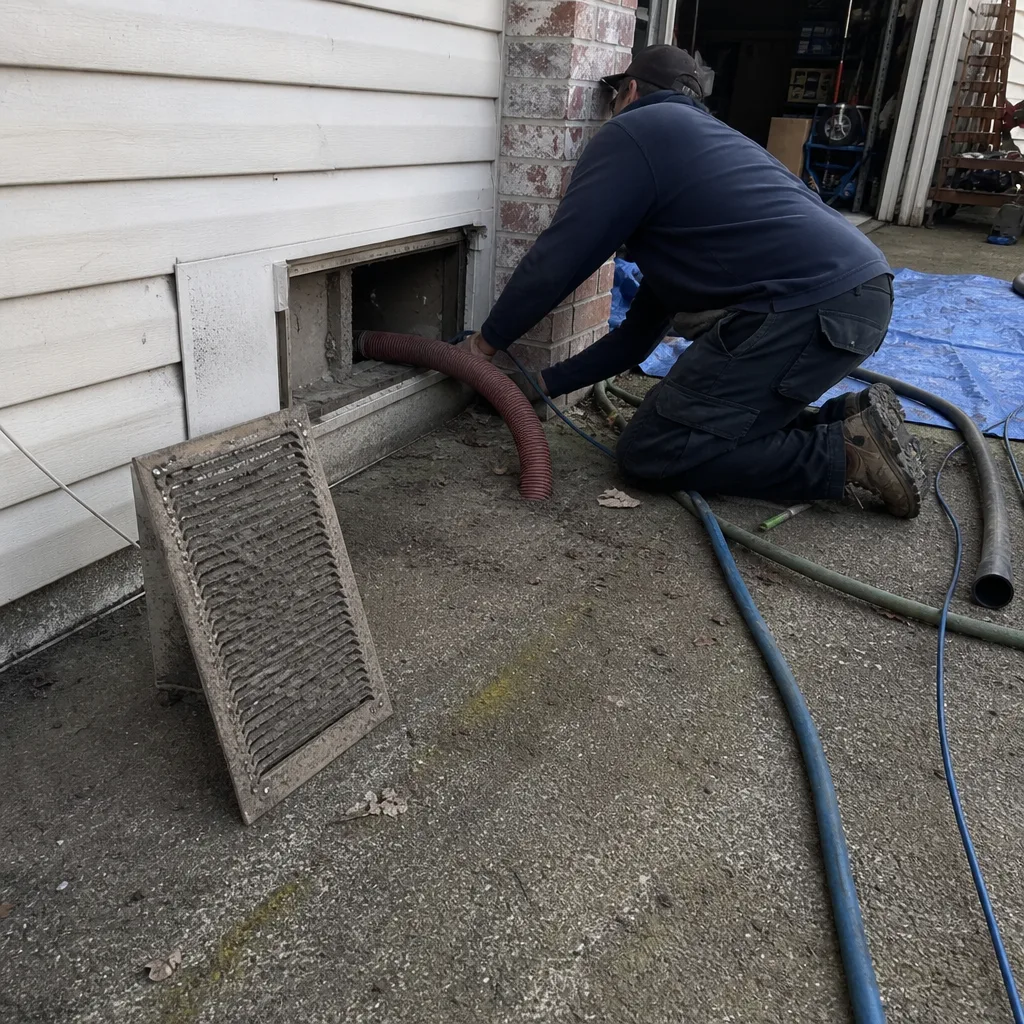 Before
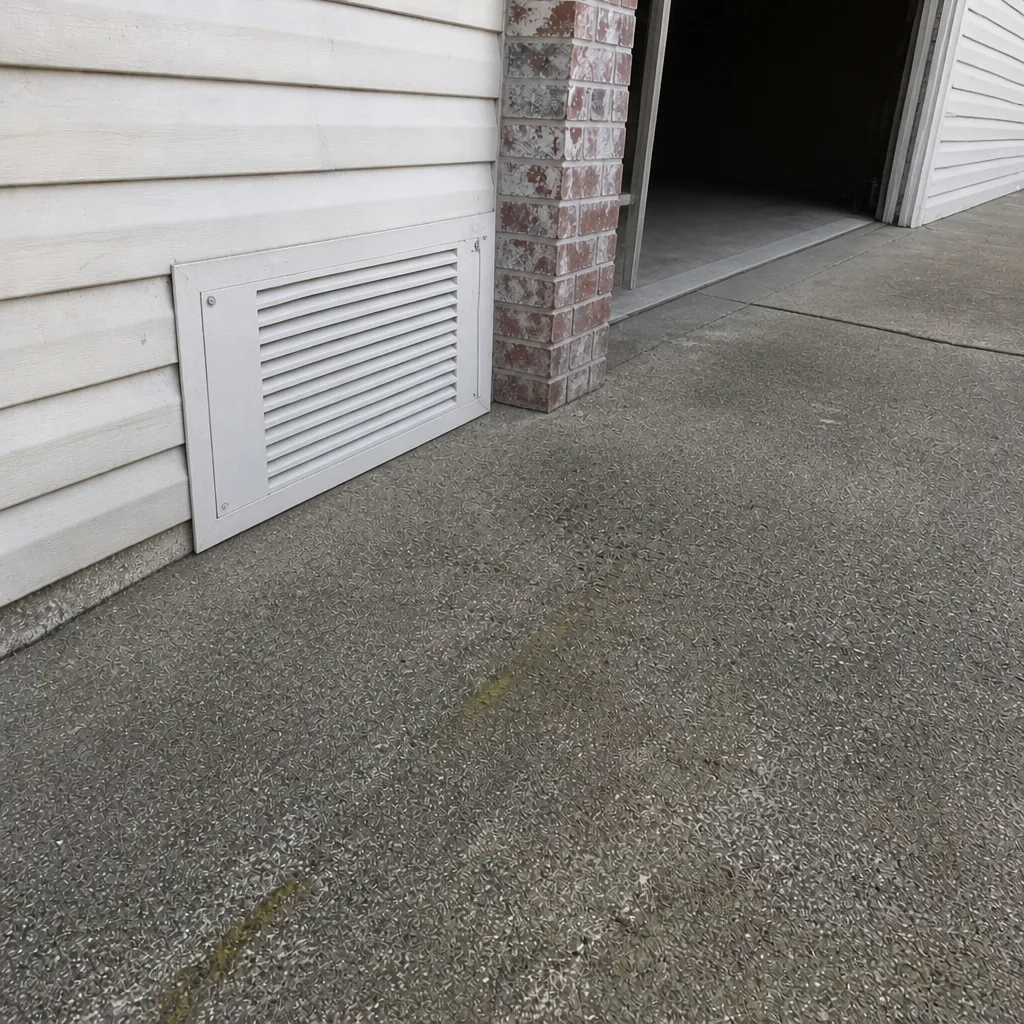 After
When to Call a Professional
Bring in a professional when the ductwork is doing anything other than delivering air the way the system was designed. Visible dust at the registers, uneven heating between rooms, a musty smell coming from the vents, or a recent renovation that put construction dust into the return system are all reasons to book a cleaning and inspection. Visible sagging flex duct in the attic, torn connections behind a register, or a system that’s lost airflow after a repair somewhere else are reasons to book a repair evaluation. Duct repair work that turns out to require a permit is a job for a licensed contractor who’ll pull it. Our technicians have up to 15 years of experience with both cleaning and repair, and we use professional-grade Rotobrush and Nikro equipment on every job. Duct Cleaning Gresham offers free estimates in Gresham. Call (844) 523-1942.
Frequently Asked Questions
No. Air duct cleaning does not require a mechanical permit in Gresham or anywhere in Oregon, because cleaning removes debris without modifying the duct system. If the cleaning scope expands into repairing a duct, replacing a run, or reconnecting to the furnace, that work does require a mechanical permit through the City of Gresham. Call (844) 523-1942 for an exact scope and estimate – estimates are free.
Yes, in most cases. Duct repair that involves cutting into the system and installing new materials is a mechanical alteration under the Oregon Mechanical Specialty Code, and Section 603 governs how it’s done. The permit is pulled through the City of Gresham’s building department and closed out with an inspection. A contractor who repairs ductwork without pulling a permit is leaving you with an undocumented mechanical alteration. Call us for a scope review before work starts.
Oregon allows homeowner permits on owner-occupied residences in some circumstances, but the practical risk of a homeowner-pulled permit for duct repair is significant. The homeowner becomes responsible for the inspection, for any corrections the inspector requires, and for keeping equipment warranties intact. A licensed contractor who pulls their own permit is the cleaner arrangement. Call us and we’ll walk through what your specific job requires.
A mechanical inspector reviews the completed repair against Section 603 requirements: materials, sealing, support, clearance, and sizing. The visit is typically short if the work was done correctly. Common fail points are undersized replacement sections, missing mastic or mechanical fastening at joints, and insufficient support on flex runs in attic spaces. The final inspection sign-off is your proof that the work complies. Call us if you have an open permit and need the repair corrected to pass.
It can. Oregon’s seller’s property disclosure asks sellers to disclose known unpermitted work, and a pre-listing or buyer’s inspection that flags a duct repair without a permit record creates a negotiation point. Buyers often ask for a repair credit or walk over the issue. Having the permit number and final inspection sign-off in your records closes the question cleanly. If you’re listing a Gresham home and don’t know the ductwork history, we can inspect and document the system before your listing goes live.
Duct repair costs in Gresham fall into a wide range depending on what’s being fixed, whether it’s accessible attic or crawlspace work, and how many sections need replacement. The permit itself is a small fraction of the total. Because per-job scope varies so much, we give a flat price per system based on a written estimate, with the permit included in scope. There’s no per-vent pricing and no teaser coupon. Call (844) 523-1942 for an exact quote – estimates are free.
The Bottom Line
Air duct cleaning in Gresham doesn’t require a permit. Duct repair almost always does, and that distinction is the single most important thing to understand from this guide. Section 603 of the Oregon Mechanical Specialty Code governs how duct repairs are constructed, sealed, and supported, and a mechanical permit through Gresham’s building department is what puts an inspector’s eyes on the finished work. Skipping that permit leaves you with an undocumented alteration that can surface during a home sale inspection, an insurance review, or an appraisal. Know which side of the line your scope sits on before work starts, ask your contractor the licensing questions up front, and keep the permit paperwork filed with your home records. It’s the difference between a repair that protects your home’s value and one that quietly works against it.
If your ducts need an inspection, cleaning, or repair in Gresham, our team works with professional-grade Rotobrush and Nikro equipment and handles duct repair on the same visit as cleaning. We pull permits for repair work, document before-and-after conditions, and give you a flat price per system agreed before we start. We answer 24/7. Fast dispatch from 7am to 7pm, Sunday through Friday. Call (844) 523-1942 for a free estimate.
Written by the team at Duct Cleaning Gresham.