
Last updated November 15, 2026
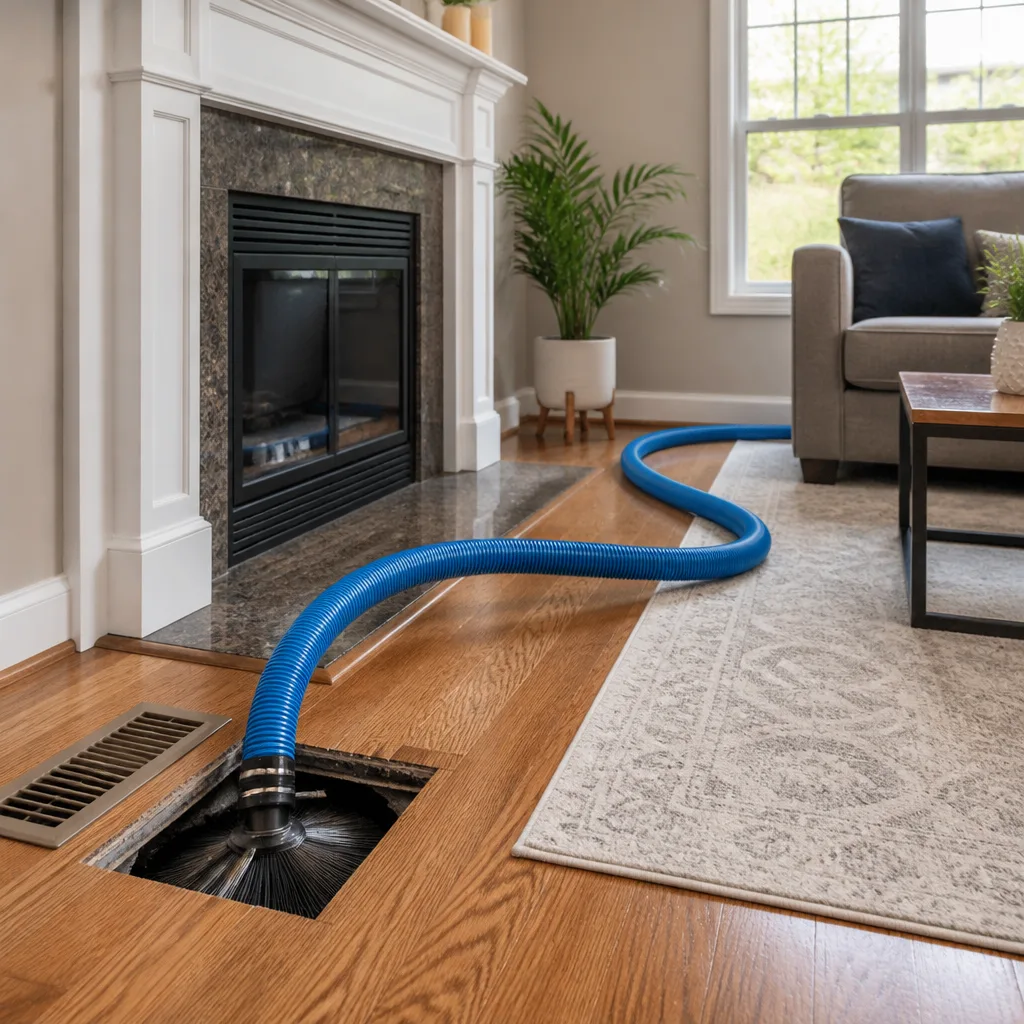 Whole-home duct cleaning
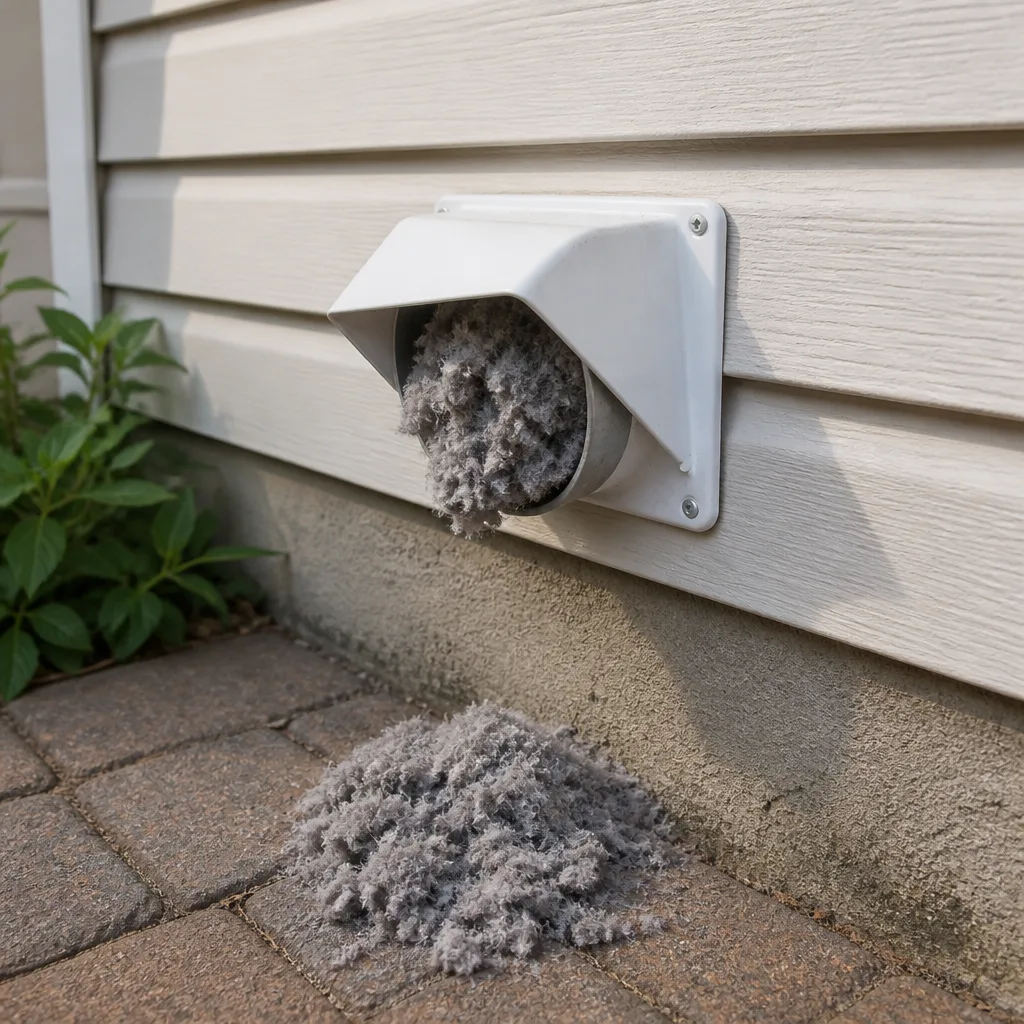 Dryer vent cleaning
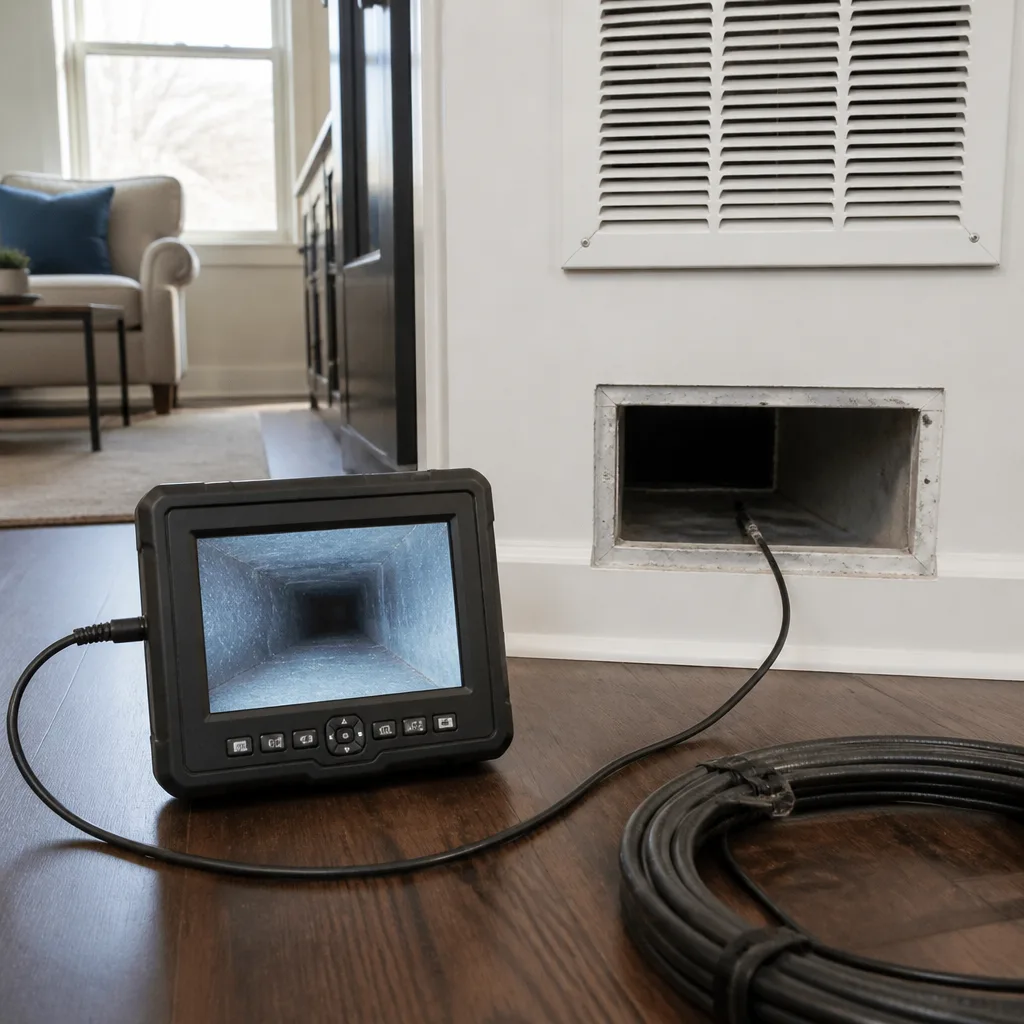 Camera inspection
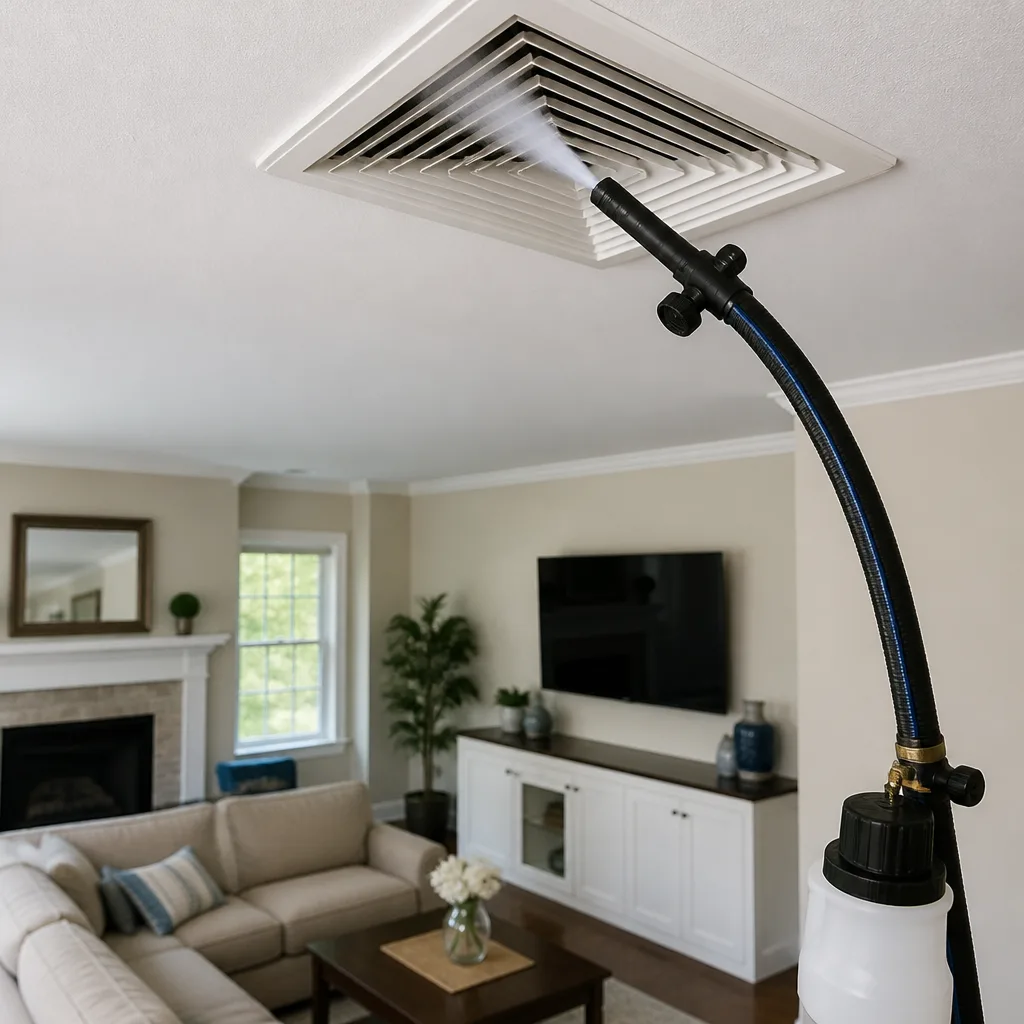 Sanitizing & deodorizing
Whole-system duct and dryer vent check with before-and-after photos - you see exactly what came out of your vents
That "$99 whole-house special" is a bait ad - the real number appears once they are in your hallway, or the "clean" is a shop-vac at the register. We photograph the inside of your ducts before and after instead.
How to Hire an Air Duct Cleaning Contractor in Gresham: A Step-by-Step Guide
Any unlicensed operator in Oregon can legally call themselves a duct cleaning contractor tomorrow. The state does not license this trade, which means the burden of vetting falls entirely on the homeowner. Star ratings won’t protect you, and neither will a bright coupon mailer. What separates a real technician from a coupon-bait crew is a set of specific questions about equipment, scope, and documentation. This guide walks through those questions in the order you’ll actually use them, from the first phone call to the handshake after the job. By the end, you’ll know how to hire in Gresham with confidence instead of guesswork.
Quick Answer
To hire an air duct cleaning contractor in Gresham, ask five questions before you book: what equipment they use, how many supply and return lines they’ll address, whether they offer camera inspection, whether they can repair damaged ductwork, and what documentation they provide after the job. Verify NADCA membership where claimed, get a binding written estimate that specifies all of the above, and be skeptical of unusually low flat-rate pricing. An Oregon duct cleaning contractor doesn’t need a state license, so your vetting process is the only credential that matters.
Styles & brands we work with
- Whole-home duct cleaning
- Dryer vent cleaning
- Camera inspection
- Sanitizing & deodorizing
Table of Contents
- Why Oregon’s Lack of Licensing Changes How You Hire
- The Five Equipment Questions to Ask Before Booking
- Why NADCA Membership Matters and How to Verify It
- Red Flags Specific to Gresham’s Duct Cleaning Market
- How to Get a Binding Written Estimate That Protects You
- What Post-Service Documentation Should Look Like
- A Step-by-Step Contractor Interview Process
- Common Mistakes to Avoid
- When to Call a Professional
Why Oregon’s Lack of Licensing Changes How You Hire
Oregon does not require a license to perform air duct cleaning. There is no state exam, no continuing education requirement, and no governing board that can pull a bad actor’s credential. That’s a materially different situation from electrical or plumbing work, where the state issues licenses and enforces standards. In duct cleaning, the industry fills that gap voluntarily through trade associations, and individual contractors either choose to meet those standards or don’t. You can’t check a license database because there isn’t one. What you can check is everything else: the equipment a contractor owns, the certifications they claim, the scope of work they document, and the way they answer technical questions.
The homeowner is the quality control here. That’s not a scare tactic, it’s just how the trade operates in Oregon right now. A crew can buy a consumer-grade vacuum from a hardware store, print business cards, and be at your door by the afternoon. Nothing about that setup is illegal. It’s also not capable of doing the job a professional duct cleaning requires, because residential ducts accumulate debris along surfaces a small vacuum can’t reach, in boots and plenums and return trunks the equipment was never designed to handle. The equipment gap is the practical gap. That’s why this guide puts so much weight on equipment verification rather than identifying details. If you know what real gear looks like and what real scope documentation says, you can separate the two kinds of crews in a single phone call. That’s the whole game in Gresham, and really anywhere in Oregon.
Our technicians have up to 15 years of experience working on residential duct systems, and we’ve seen what happens when homeowners hire on price alone and get a surface pass. The industry’s reputation problem is real, and the fix starts before anyone shows up at your door. For a broader look at what we do on duct systems, see Duct Cleaning Gresham. The rest of this guide is the vetting process that makes that first call productive.
The Five Equipment Questions to Ask Before Booking
The equipment a contractor owns tells you almost everything about the work they can do. Ask these five questions in order. The answers should be specific. If an answer is vague, that’s your answer.
- What brand of duct cleaning system will be on the job? A real answer names professional-grade equipment. Rotobrush and Nikro are two industry-standard systems that HVAC and restoration specialists rely on. If the contractor can’t name a system, or names a hardware-store shop vac, that’s a surface-cleaning operation.
- What kind of agitation will you use on the interior surfaces? Professional systems use mechanical agitation (rotary brushes, air whips, or both) to break debris loose before extraction. If they describe only vacuuming, they’re not addressing the surfaces where debris actually accumulates.
- What negative pressure do you set up during the work? A proper job puts the duct system under negative pressure with a collection unit connected at one end while technicians work from the other. If the answer is unclear, ask where the collection unit connects.
- Do you offer camera inspection, and can I see the footage? Camera inspection is the only way to verify what’s inside a duct before and after the work. A contractor who doesn’t offer it, or who offers it only after inspection fees you weren’t told about, is telling you something.
- What happens if you find a disconnected joint or torn flex duct? This is where the repair question comes in. Cleaning without repair capability often produces a report and a walk-away. A contractor with repair capability addresses the problem on the same visit.
Vague answers to any of these shouldn’t be treated as a negotiation tactic. In our experience, they mean the contractor doesn’t own the equipment or doesn’t run the job in that sequence. Either is a reason to keep looking. The correct answer to the last question, by the way, is not “we’ll refer you.” It’s “we repair ductwork as part of the service.”
Why NADCA Membership Matters and How to Verify It
The National Air Duct Cleaners Association (NADCA) is the trade body that sets the industry’s voluntary standard for duct cleaning. Member companies commit to following the NADCA Assessment, Cleaning, and Restoration (ACR) standard and to a code of ethics. The ACR standard is what you’re really buying when you hire a member: it specifies how a system should be assessed before cleaning, how cleaning should be executed, and how the work should be documented afterward. If a contractor isn’t a NADCA member, that doesn’t automatically make them bad. But it does mean the ACR standard isn’t a contractual part of what you’re buying, and you have to establish quality control through the interview process instead.
Verification is the part most homeowners skip. Verifying a NADCA claim takes two steps:
- Go to the NADCA website and search the company directly. Don’t trust a logo on a truck or a claim on a website. The association maintains a member directory for exactly this reason, and it takes under a minute to check.
- Ask for the company’s ACR compliance documentation. A member company should be able to describe which version of the ACR standard they operate under and what their documentation package includes. If the person on the phone can’t answer that, the membership claim may be decorative.
NADCA certification also comes in individual and company flavors, and the two aren’t interchangeable. Individual certifications belong to technicians; company membership is what carries the standard into the business. Ask which the contractor actually holds. Some crews list “NADCA certified” without belonging to the association at all, and the distinction matters when you’re trying to establish standards. This is not a state license, and no state agency enforces it. It’s the only industry standard available, which is why verification is worth the two minutes.
Red Flags Specific to Gresham’s Duct Cleaning Market
Gresham homeowners see a lot of duct cleaning mailers, and a lot of those mailers make claims that don’t hold up under a phone call. Some red flags are universal to the trade. Some are specific to how this market operates. Here are the ones we’d watch for.
- Unusually low flat-rate pricing. A flat-rate price advertised for a whole-house duct cleaning is a lead-in. When it shows up on the invoice after the technician is on site, it’s because the advertised scope covered a bare minimum of equipment access while the real scope requires far more. Ask what the advertised price actually includes.
- No camera inspection offered. If a contractor can’t inspect with a camera, they’re cleaning blind. That’s not a shortage of equipment, it’s a design choice: they don’t want to document what they find or didn’t find.
- No written scope of work. A verbal scope is no scope. You should know, before the technician arrives, exactly which supply lines and which return lines will be addressed, and what cleanup happens afterward.
- Notices of “extra branches” or “extra returns” tacked on after arrival. A legitimate contractor quotes based on the actual duct system at your house, ideally after seeing it. Surprise scope additions mid-job are a pricing method, not a service.
- No repair capability. If cleaning reveals a failed boot, a crushed section of flex, or a disconnected joint, a cleaners-only crew will hand you a note. A repair-capable contractor fixes it as part of the service. See air duct cleaning for what the scope should include.
- “Certified” with no verifiable body behind it. Certification claims without a searchable organization backing them are marketing words. Ask which organization and which standard.
One more specific to this region: southwestern Gresham sits downwind of the Columbia River Gorge, which funnels strong east winds through the area in winter. Those winds push fine particulate matter into exterior ductwork and return plenums, especially in older homes near Gresham’s historic downtown and along the neighborhoods around Main Street. Homes in that area often show more accumulated debris than their age and maintenance history would otherwise suggest. Meanwhile, east Gresham neighborhoods near the Sandy River corridor contend with seasonal pollen loads from the surrounding tree canopy. If a contractor can’t discuss local conditions and inspection findings together, they’re not diagnosing, they’re guessing. For more on how we approach this in the area, see Gresham.
How to Get a Binding Written Estimate That Protects You
A binding written estimate is the single most important document in a duct cleaning project, and it’s the thing the coupon-bait model is designed to avoid producing. The word “binding” is doing real work here: it means the price you see is the price you pay, unless you specifically approve an added scope. A verbal estimate, or a price that “depends on what we find,” isn’t an estimate. It’s a starting number.
Here’s how to get an estimate that actually protects you.
- Ask for it in writing before the visit, or before work starts. Some contractors walk the system at no charge and produce the written estimate on the spot. Others quote remotely from a description. Both can be acceptable, but only one is binding at the moment of the visit.
- Check that it names the equipment. The estimate should say which system will be used. If it doesn’t name a Rotobrush, Nikro, or equivalent professional-grade system, ask why not.
- Check that it specifies supply and return counts. “Whole-house duct cleaning” is not a scope. It’s a phrase. The estimate should list how many supply lines and how many return lines will be addressed, and confirm that number matches your home before work begins.
- Check that it describes the cleanup.** Ask where the collection equipment attaches, what steps are taken to prevent debris in adjacent rooms, and what the final condition of the work area will be. A binding estimate includes cleanup because cleanup is part of the job.
- Check the repair line. If your estimate doesn’t say what happens when damage is found, ask. A contractor who repairs ductwork should be able to describe the process and price structure for repairs before they’re needed.
- Confirm no per-vent or per-service charge after the fact. One flat price per system, agreed in writing. If the invoice arrives with itemized add-ons that weren’t in the estimate, that’s a contract issue, not a billing issue.
We quote one flat price per system, and the written estimate is the number that stands. That’s a deliberate choice given how common the bait-and-switch pattern is in this trade, and it’s the reason we put the estimate in writing before any equipment gets unloaded.
What Post-Service Documentation Should Look Like
The work isn’t finished when the technician puts the last register back. It’s finished when you have documentation you can verify. A verbal “all done, looks great” is not a documentation package, and unfortunately, in an unlicensed state, it’s what a lot of homeowners get.
A legitimate documentation package includes:
- Before-and-after photos or video of your ducts. Camera footage of the same sections before and after is the only proof that cleaning actually happened. If the contractor doesn’t offer it, ask why not.
- A written summary of which supply and return lines were cleaned. Cross-check it against the written estimate. If the estimate promised 14 supply lines and the summary shows 10, that’s a problem to address before paying.
- Notes on any damage found and what was done about it. If a joint was reconnected, a section of flex was replaced, or a boot was re-sealed, you should have a record of it.
- Filter condition and change recommendations. Filters are part of the duct system, and a good technician will tell you what they found and how the system relates to your filter setup. If you have a Honeywell or Aprilaire filtration system installed, documentation should note the model and what maintenance it needs.
- For dryer vents, a description of the vent run and any lint removal. This is safety documentation, not just service confirmation. dryer vent cleaning should include it.
A contractor using professional-grade gear from brands like Rotobrush and Nikro is more likely to produce documentation of this kind, because the equipment produces verifiable output. A shop vac and a coupon don’t. The documentation package is where that difference becomes visible.
A Step-by-Step Contractor Interview Process
Here’s the process in the order you’ll actually use it. It takes about 15 minutes on the phone, and it will save you far more than that in surprises later.
- Call and ask the five equipment questions. Don’t accept “we use the best equipment” as an answer. Ask for names. Listen for whether the person answering the phone can describe the work sequence, not just the price.
- Ask for the scope in writing. How many supply lines, how many return lines, what cleanup, what equipment. If they don’t put it in writing, keep looking.
- Verify certification claims. If they say NADCA, check the directory. Ask which certification belongs to the company vs. an individual.
- Ask about repair capability. If they clean but don’t repair, ask who they’d refer for repairs and whether they’d coordinate. Note that coordinating adds a second visit and a second contractor.
- Compare the written estimates line by line. Don’t compare only the totals. Compare the scope. Cheaper almost always means smaller scope, not better value.
- Ask what documentation comes with the job. Camera footage, scope summary, repair notes. Put it in the booking confirmation if possible.
- Book and confirm. Reconfirm the written estimate before work starts. If the crew arrives with a different number, which is the pattern the bait-and-switch model relies on, don’t let the equipment unload until the price is confirmed against the estimate.
We answer 24/7 for exactly this kind of pre-booking question. Fast dispatch from 7am to 7pm, Sunday through Friday, when it’s time to schedule. The interview is the most important part, and it’s the part most homeowners skip.
Common Mistakes to Avoid
- Hiring on the lowest advertised price alone. The low advertised price is the beginning of a negotiation, not the end of one. Compare written scopes, not totals, and price the “what’s actually included” question first.
- Accepting a verbal scope of work. A verbal scope can’t be enforced and can’t be compared against the completed job. Get it in writing before any equipment comes off the van.
- Skipping the certification search. A NADCA claim that doesn’t appear in the association’s directory is a marketing claim, not a standard. The search takes under a minute and it separates the two.
- Booking a crew that can’t repair ductwork. Cleaning without repair leaves you with a problem report and another contractor’s phone call to make. Confirm repair capability before you book, especially in older Gresham homes where duct modifications from past remodels are common.
- Failing to ask for camera evidence. If the contractor can’t show you what they cleaned, you have no way to know whether the work happened. Accept “all done” verbally and you’ll never find out.
- Forgetting the dryer vent. A dryer vent is a separate line from the HVAC duct system and a separate fire risk if lint accumulates in it. If you’re hiring for duct cleaning, ask whether a dryer vent check is included or priced separately.
- Assuming the state enforces quality. Oregon doesn’t license this trade. The homeowner’s interview process is the enforcement, which means the process has to be deliberate. That’s true across the state, and it’s certainly true in Gresham.
When to Call a Professional
You need a professional for duct work when symptoms exceed what filters and cleaning can manage. Persistent allergy symptoms that worsen inside the home, particularly after a renovation or move into an older house, are a sign the system needs inspection. Visible dust streaking on registers or dust settling quickly after cleaning suggests a pressure or balance issue rather than ordinary dust. A dryer that takes longer than it used to, or a dryer vent with lint accumulation visible at the exterior, calls for a vent cleaning rather than a wait-and-see. Post-renovation dust and debris in return plenums should never be handled by a homeowner without the right equipment. Our technicians have up to 15 years of experience diagnosing what’s actually going on versus what’s surface-level, and we repair duct problems rather than just reporting them. Duct Cleaning Gresham offers free estimates in Gresham. Call (844) 523-1942. We answer 24/7, with fast dispatch from 7am to 7pm, Sunday through Friday.
See the difference
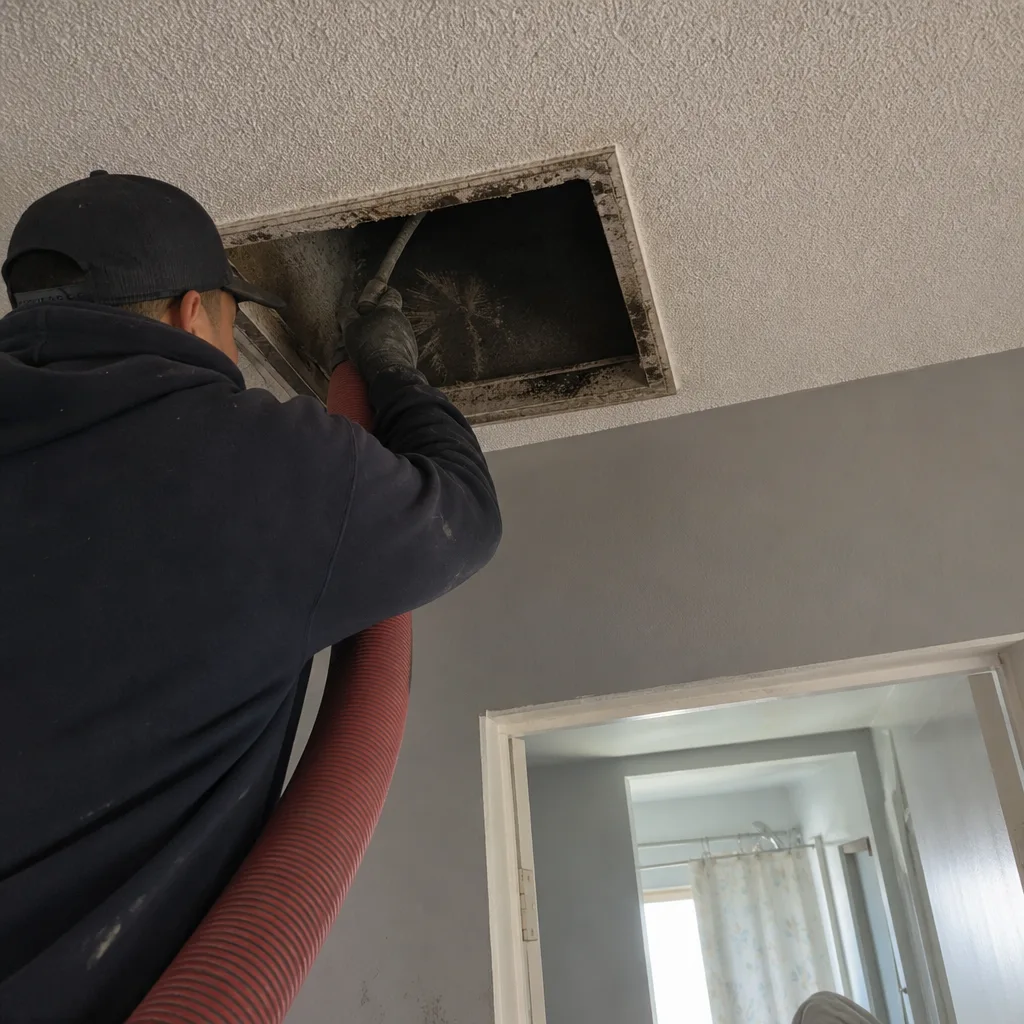 Before
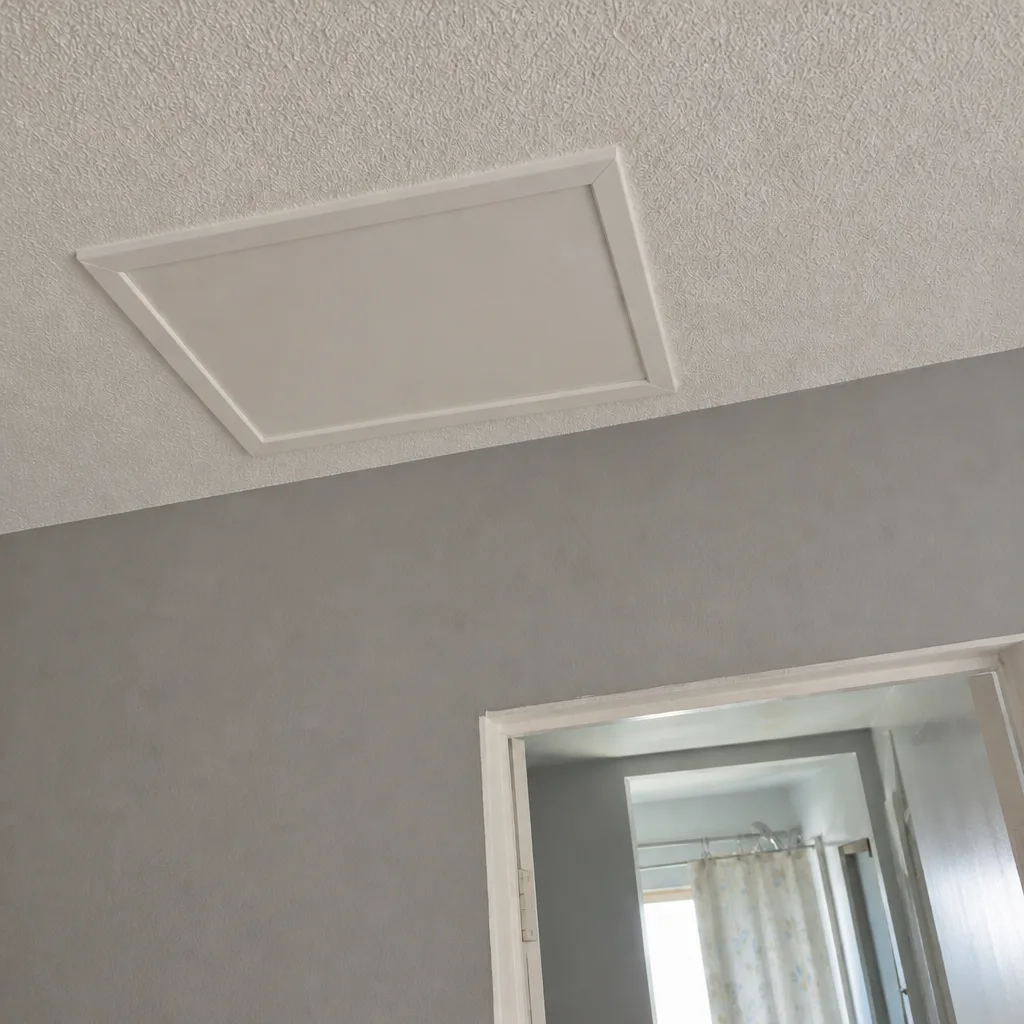 After
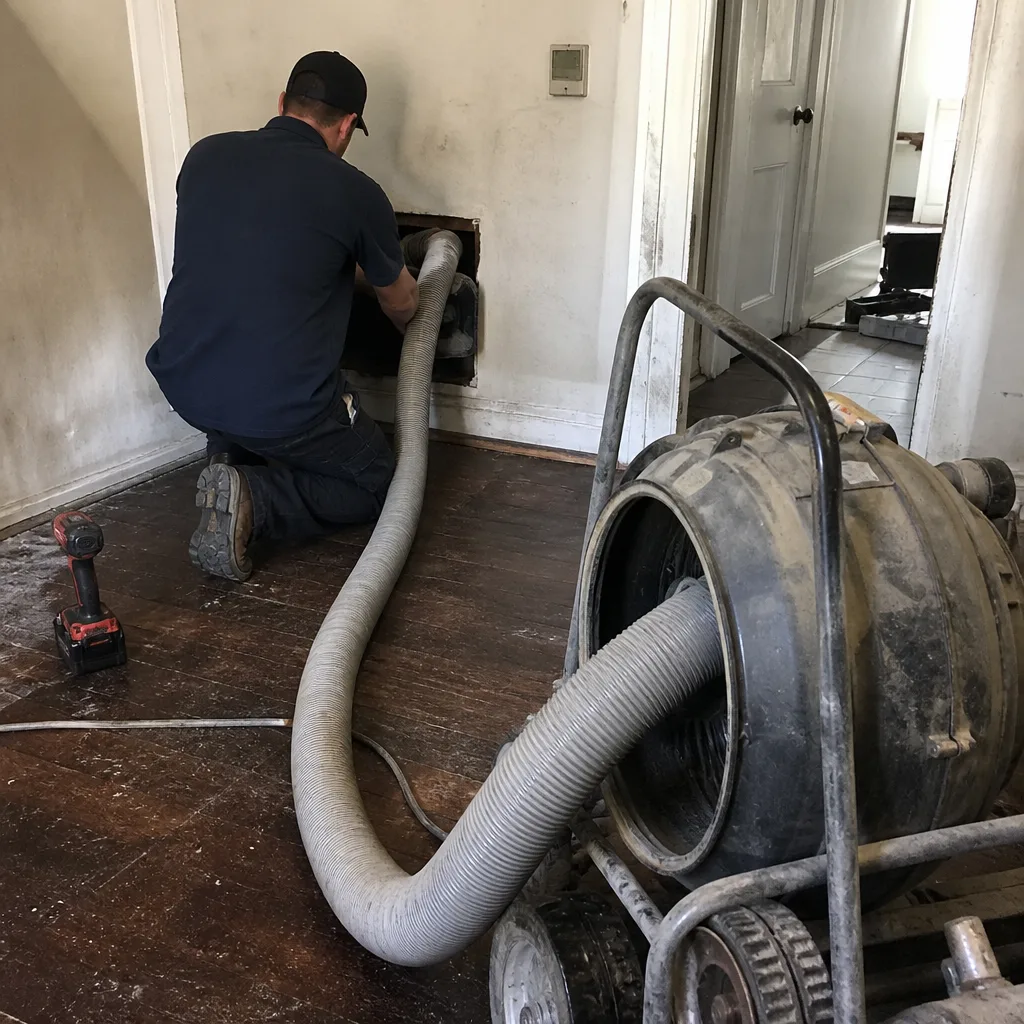 Before
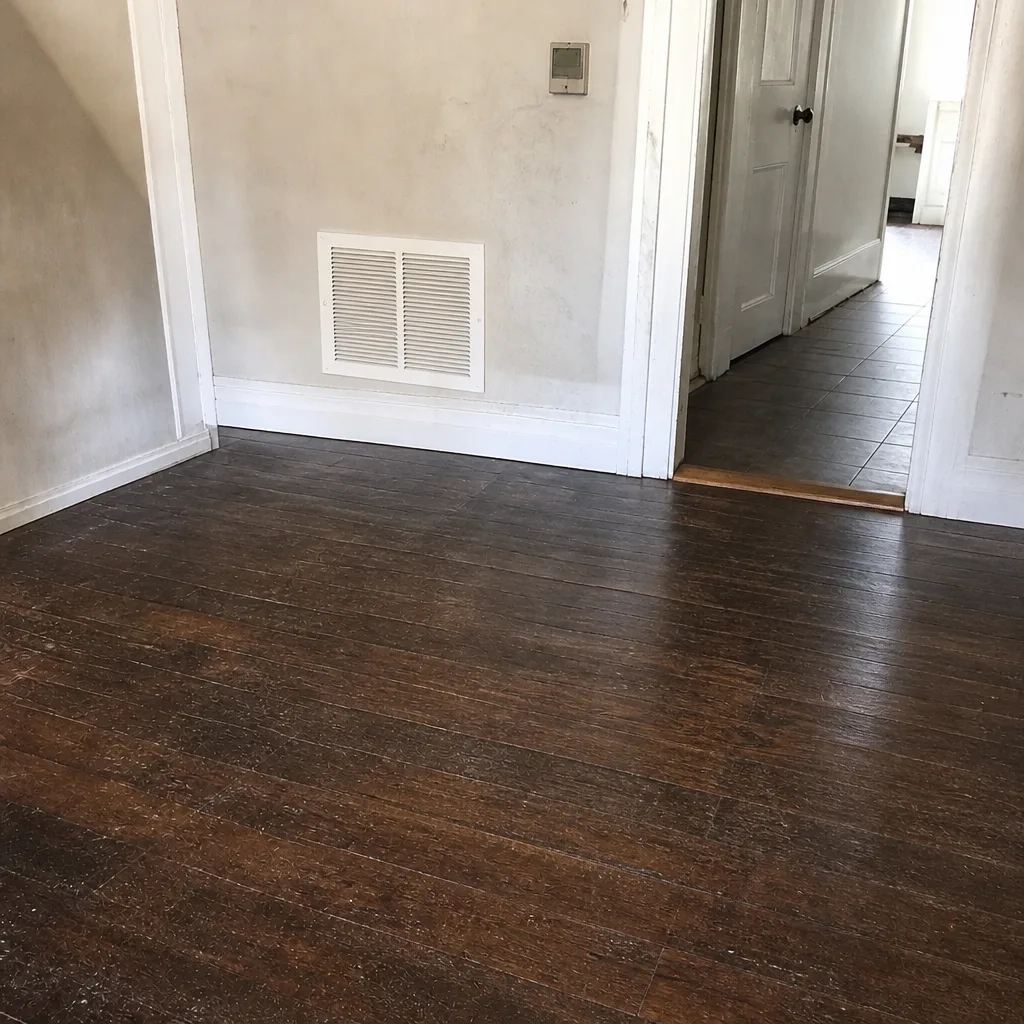 After
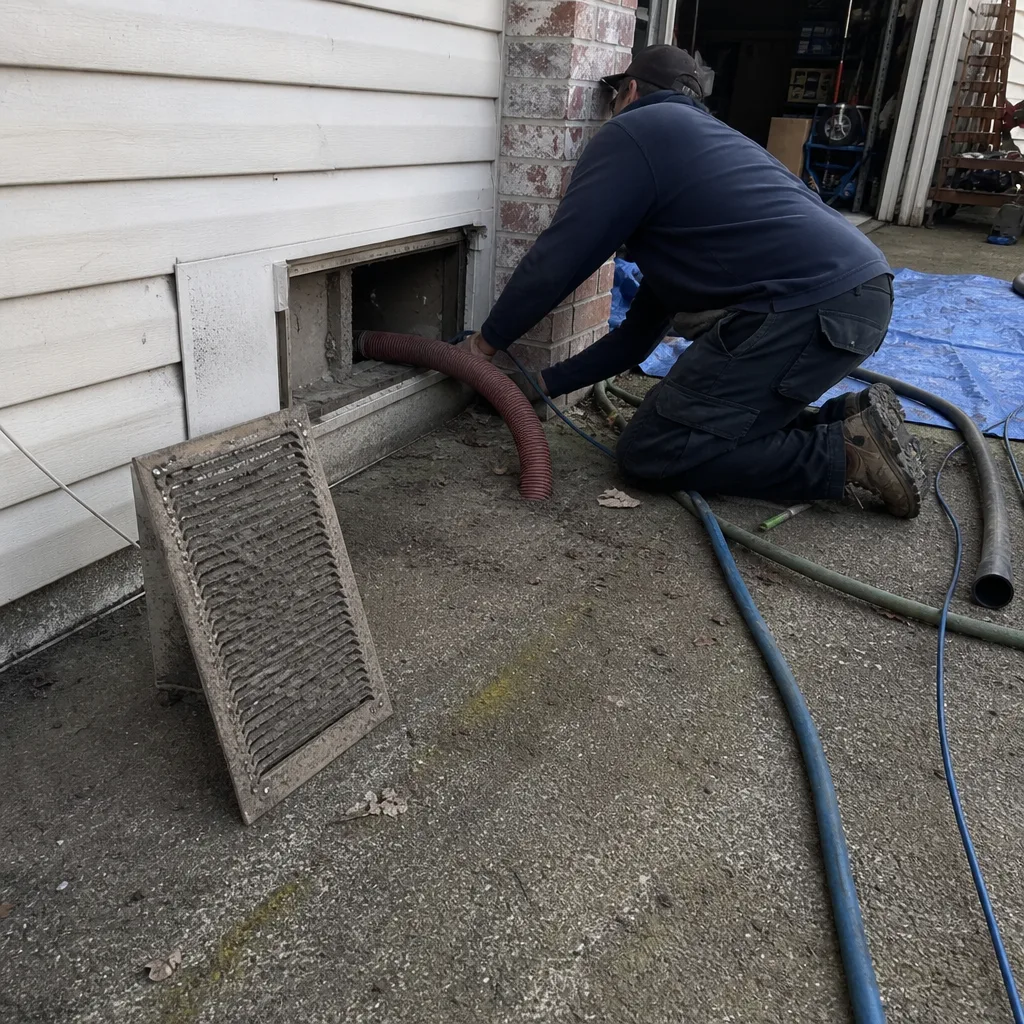 Before
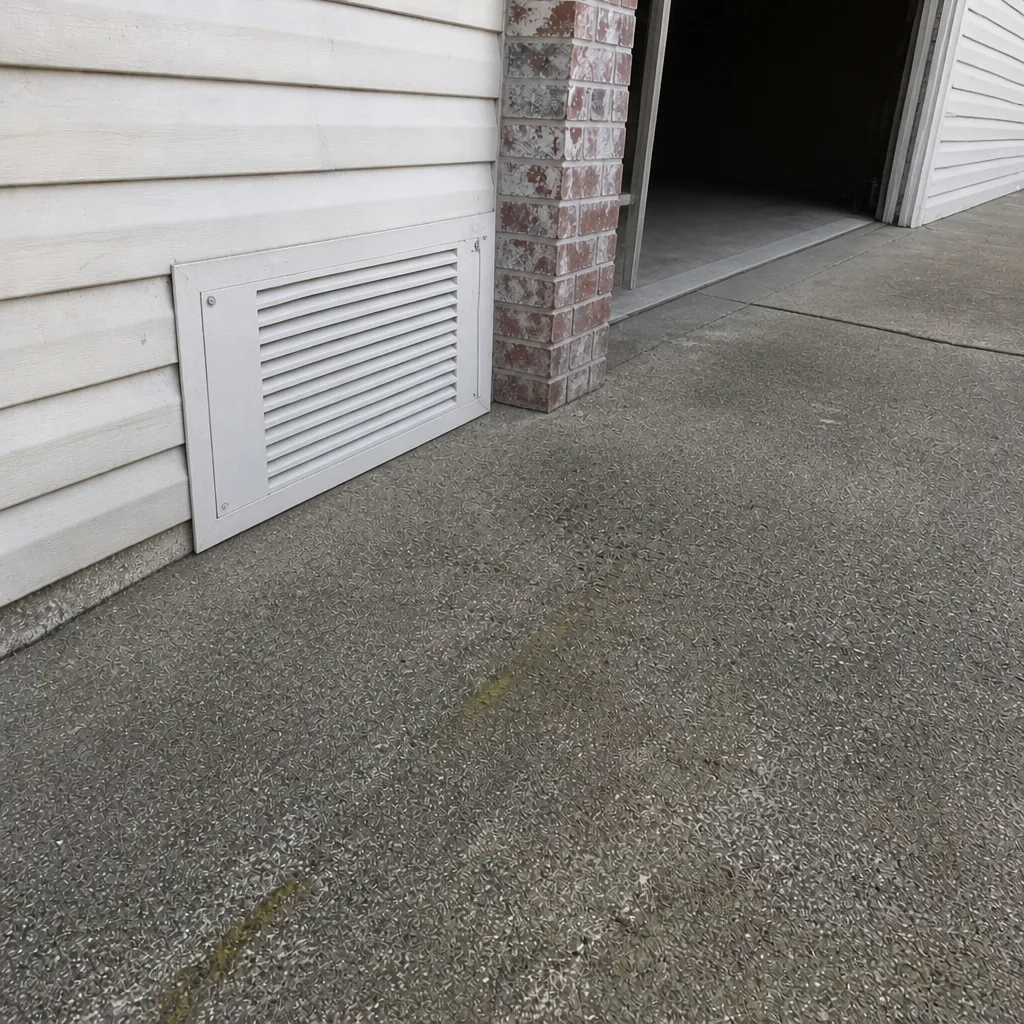 After
Frequently Asked Questions
Pricing depends on the size and configuration of your duct system, not on a per-vent rate. A written estimate sets the final number after the scope is confirmed. Expect to receive a binding quote that specifies the equipment used, the number of supply and return lines, the cleanup process, and the repair capability included. Call (844) 523-1942 for an exact quote, estimates are free.
No, because Oregon doesn’t license duct cleaning as a trade. That means there is no state license class or governing board to verify against. Your alternatives are NADCA membership (verifiable through the association’s directory) and a vetting process built around equipment, scope, and documentation. We recommend both.
Cheaper quotes usually reflect smaller scope, not better value. A low flat-rate price that looks like a whole-house cleaning often covers only a bare minimum of equipment access, and the rest arrives as add-ons after the technician is on site. Compare written estimates line by line, and confirm what equipment and how many lines are included before booking. Call (844) 523-1942 for a written estimate that specifies all of it.
Ask for before-and-after camera footage of the same duct sections, a written summary of which supply and return lines were addressed, and notes on any repairs made. If the contractor can’t provide those, you have only a verbal claim rather than documentation. A repair-capable contractor should produce all three as standard.
It depends on the home. Most guidance points to cleaning every few years as a baseline, but a recent renovation, a move into an older home, pets, allergies, or heavy exterior particulate exposure (common in Gresham’s Gorge-facing neighborhoods) can justify more frequent inspection. A camera inspection is the right first step if you’re unsure.
Dryer vents are a separate system from HVAC ducts, though some providers handle both. Lint accumulation in a dryer vent is a fire risk, and it doesn’t get cleaned as part of a standard HVAC duct job. Ask specifically whether dryer vent cleaning is included or priced separately when you book. Call (844) 523-1942 to confirm the scope for your home.
The Bottom Line
Hiring an air duct cleaning contractor in Gresham comes down to vetting what you can actually verify. Oregon’s lack of licensing means the state won’t check on your behalf, but the trade’s voluntary standards will, if you ask the right questions. Five equipment questions, a verified NADCA claim, a binding written estimate that names the equipment and scope, and a documentation package with camera footage. Those four things separate the professionals from the coupon crews. If a contractor can’t produce all four, you have your answer.
If you want to skip to a contractor who can answer all five equipment questions in one call, names the equipment being used, quotes one flat price per system in writing, and provides before-and-after footage as standard, call Duct Cleaning Gresham at (844) 523-1942 for a free estimate. We answer 24/7. Fast dispatch from 7am to 7pm, Sunday through Friday.
Written by the team at Duct Cleaning Gresham.