
Last updated November 15, 2026
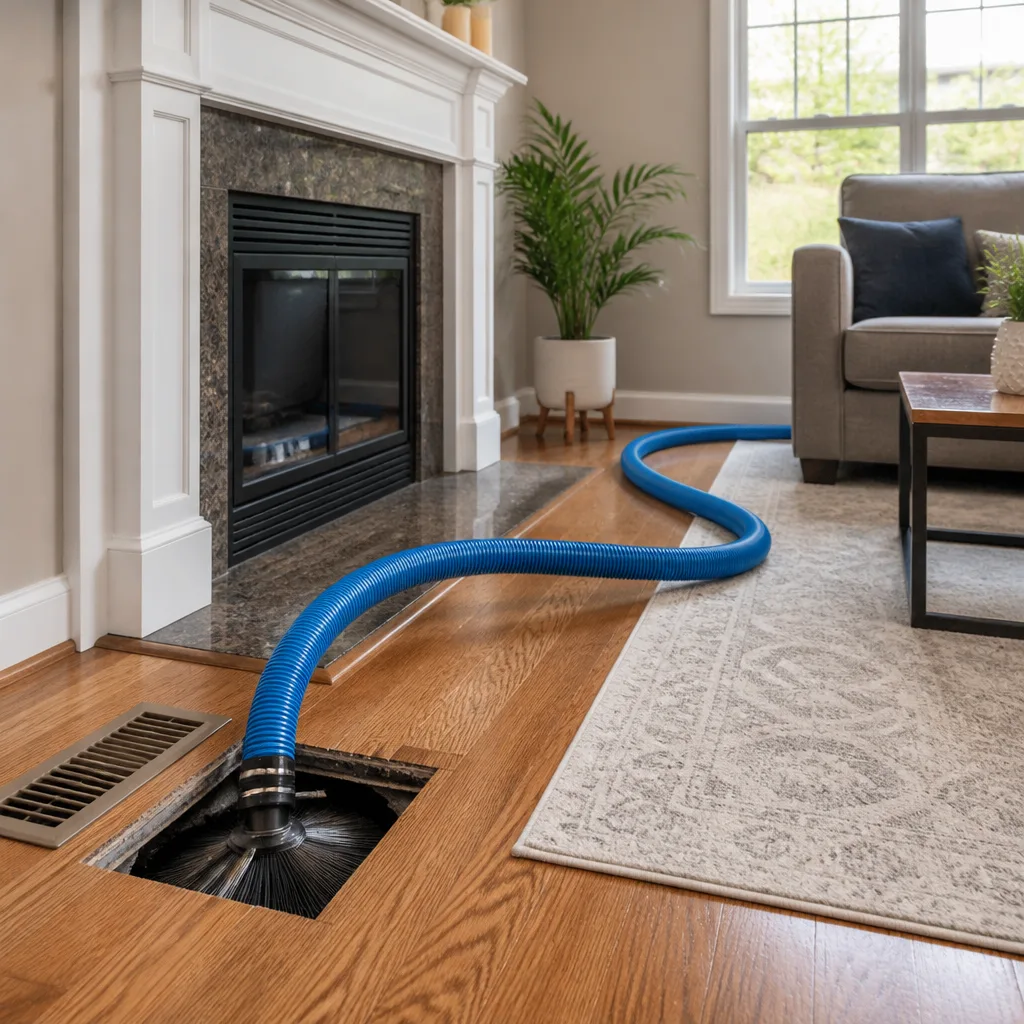 Whole-home duct cleaning
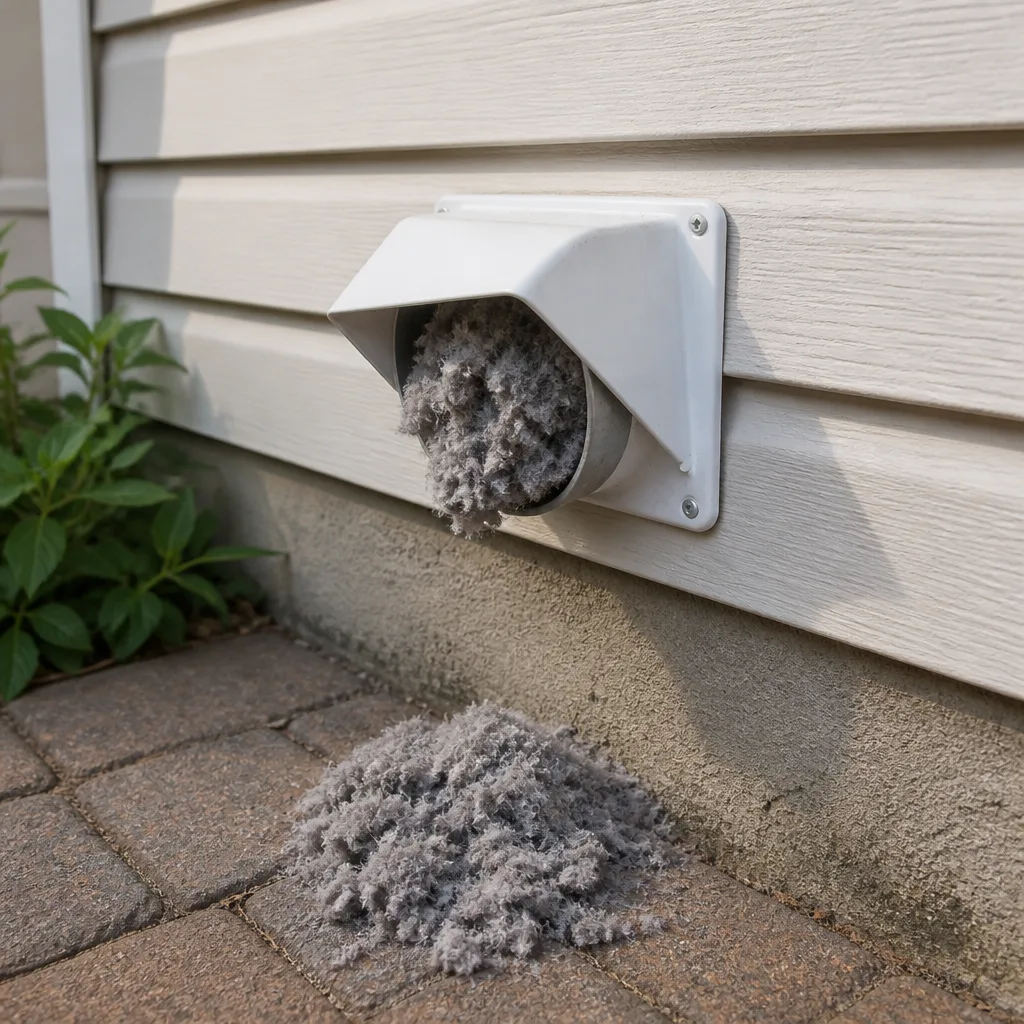 Dryer vent cleaning
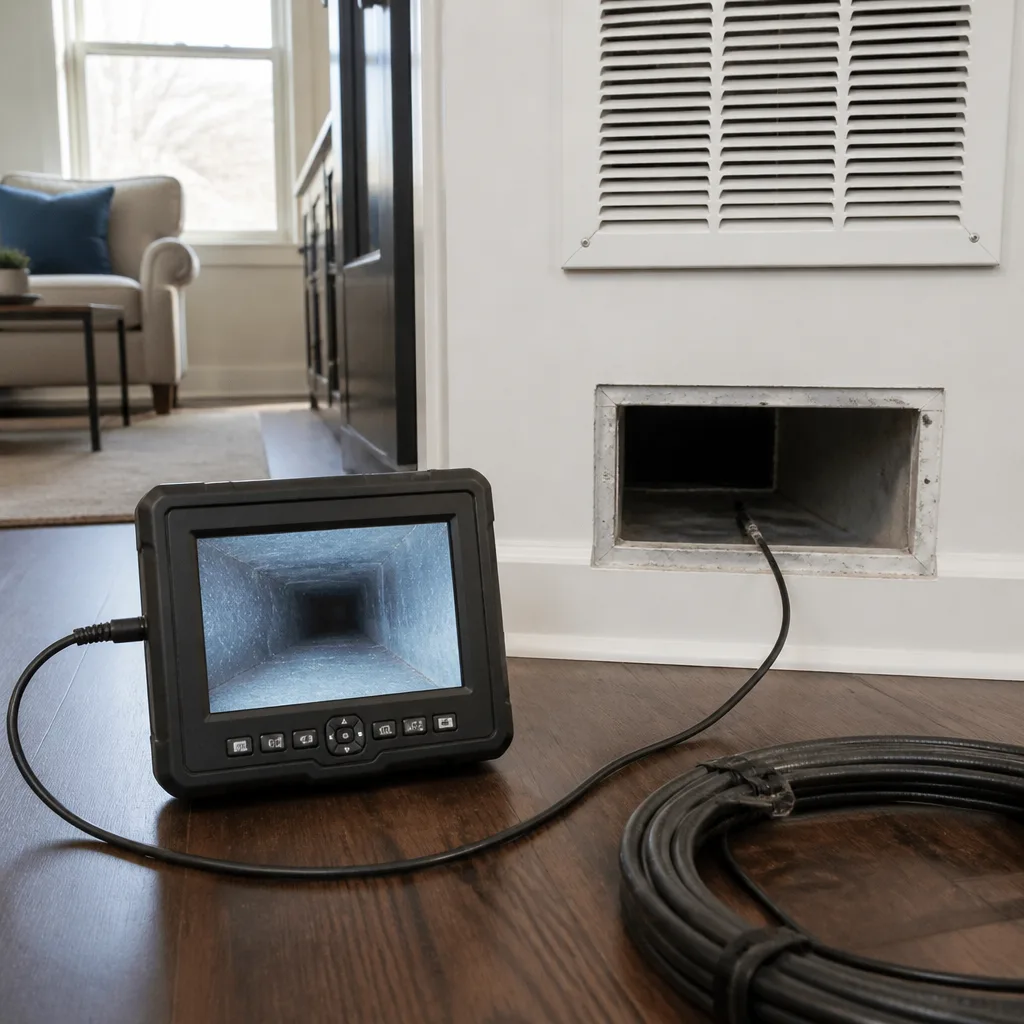 Camera inspection
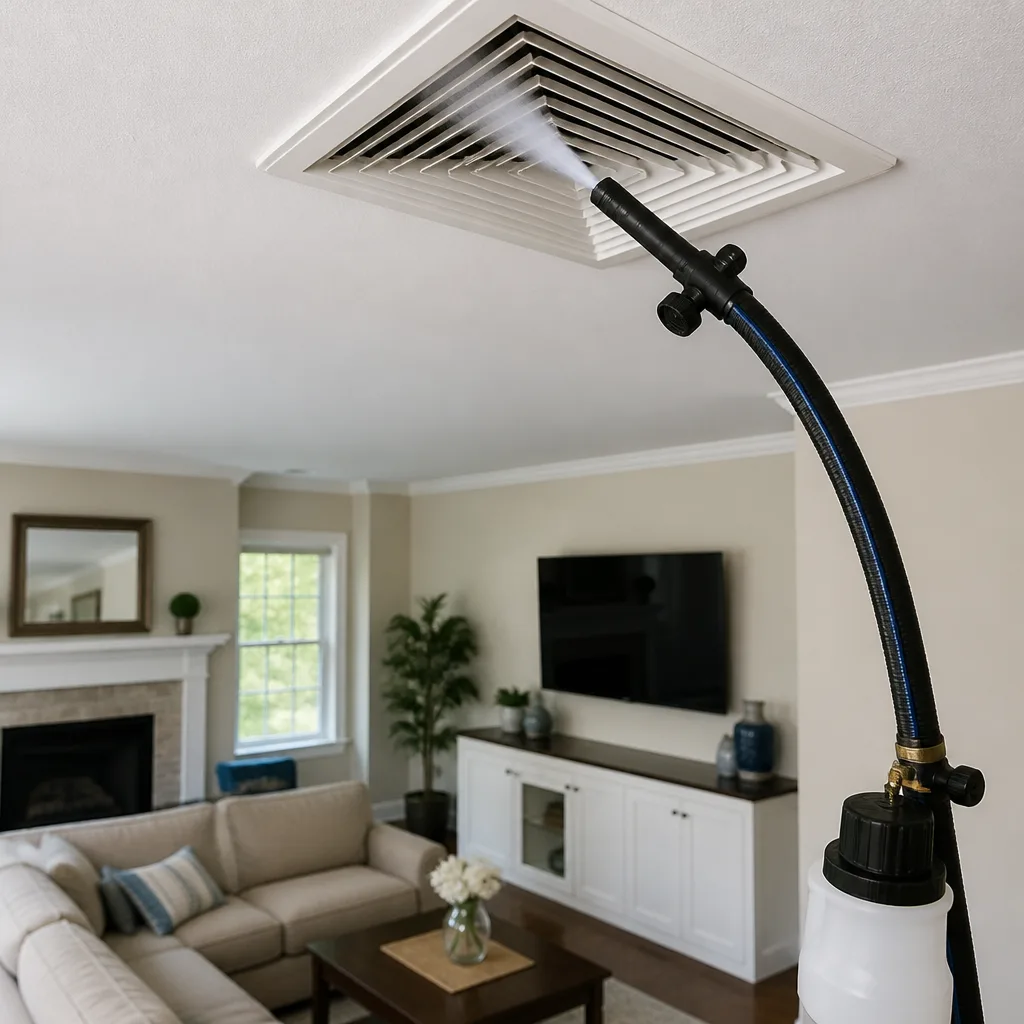 Sanitizing & deodorizing
Whole-system duct and dryer vent check with before-and-after photos - you see exactly what came out of your vents
That "$99 whole-house special" is a bait ad - the real number appears once they are in your hallway, or the "clean" is a shop-vac at the register. We photograph the inside of your ducts before and after instead.
Air Duct Cleaning Emergency Preparedness Guide for Gresham Homes
During a heavy smoke event, running your HVAC on recirculation feels like the safe move. In many Gresham homes it does the opposite. Air handlers pull return air through leaky duct joints, attic chases, and crawlspace plenums, so a system that looks sealed can drag smoke in through gaps that never mattered on a clear day. The same ducts that hurt you in a smoke event are the ones that flood, freeze, and grow mold when the power goes out. This guide covers how to prepare a duct system before an emergency, what to do during one, and how to tell a capable contractor from a crew that shows up when demand spikes.
Quick Answer
Emergency duct preparedness in Gresham means three things: sealing and documenting your duct system before fire, flood, or ice season hits; knowing when to shut the system down rather than run it during a smoke or flooding event; and calling for a professional inspection after, not a cleaning coupon. Homes near the Sandy River and the Columbia floodplain need a separate mold assessment after any water intrusion. Power outages during freeze-thaw cycles call for a condensation check before you restart the furnace.
Styles & brands we work with
- Whole-home duct cleaning
- Dryer vent cleaning
- Camera inspection
- Sanitizing & deodorizing
Table of Contents
- Wildfire Smoke Events: Shutdown Decisions and When to Inspect
- Post-Flooding Duct Response Near the Sandy River and Columbia Floodplain
- Ice Storms and Power Outages: Condensation Risk in Idle Ducts
- How to Document Your Duct System Before Emergency Season
- Emergency Contractor Vetting Checklist
- Filter Timing, Upgrades, and MERV Decisions for Gresham Homes
- Why Duct Repair Belongs in an Emergency Plan
- Dryer Vent Safety During and After an Event
Wildfire Smoke Events: Shutdown Decisions and When to Inspect
Wildfire smoke in the Portland metro area arrives as fine particulate that behaves like a gas in small concentrations: it moves through cracks, gaps, and any duct leak it can find. The instinct to run the system on recirculation assumes your return path is tighter than the outdoors. For most homes, that assumption fails along the same weak points: filter slots that don’t seat flush, insulated flex duct with poor mastic at the collar, return plenums built into a crawlspace with no gasket, and chase connections where a previous remodel cut a corner.
Here’s how we think through the decision, and how we’d walk a homeowner through it on a call:
- Check the smoke intensity against your filter’s rating. A standard filter captures some particulate but not the fine fraction that drives most complaints during an event. Confirm what is actually installed before deciding whether to run.
- Compare indoor to outdoor particulate. If indoor readings track outdoor readings, your system is not protecting you; it’s moving the same air around. Shut the system down and tape off obvious exterior gaps (window seams, bath fans, dryer vent damper) rather than running recirculation.
- Don’t run recirculation overnight. A single overnight cycle pulls a large volume of air through your duct system. If the system has leaks you haven’t found yet, that volume compounds exposure.
- Upgrade filter timing matters. Filter upgrades benefit you most when the system is sealed; putting a high-efficiency filter in a leaking duct system just creates pressure backflow. Repair and sealing come first, filter second.
- Inspect after the event, not during. A full post-event duct inspection is warranted when smoke duration exceeded several days, when the visible ash fall was significant, or when the home’s duct system was never sealed or documented. That’s the fair trigger; a one-day smoke drift usually doesn’t justify a full cleaning.
Abatement Technologies filtration products exist precisely because many homes have a residual odor load after a smoke event. Odor doesn’t come from clean ducts; it comes from settled particulate in the system. If the smell doesn’t clear after you’ve shut down and reopened windows, that’s the point to inspect.
Post-Flooding Duct Response Near the Sandy River and Columbia Floodplain
Flooding in Gresham’s eastern boundaries and the low pockets that feed the Columbia floodplain can leave duct systems inundated for hours before water recedes. Once a duct system has held water, the decision between cleaning and replacing comes down to a few specific checkpoints, not a gut feeling.
- Sheet metal duct that took on water: cleanable and dryable if the water was clean (rainwater, clean groundwater) and the system is dried within 24 to 48 hours. Microbes need moisture and time; speed is the whole game.
- Flexible duct that took on water: not salvageable. The inner liner wets out and traps organic matter. Replacement is typically the only safe option, and replacing a segment is cheaper than patching a moldy line later.
- Duct board (fiberglass-lined rigid duct) that took on water: replacement, always. The board absorbs water and holds it far past visual drying.
- Plenum under flood: same rules apply, plus the plenum usually sits over a humid crawlspace where mold can re-establish even after cleaning.
- Any duct that sat flooded with sewage or greywater: replacement. Cleaning is not a safe answer regardless of material.
The drying timeline matters as much as the material. We’ve seen homes near the Sandy River dry a crawlspace slowly over a week while the ducts above it were already growing visible mold. If the ducts were wet for more than 48 hours with no drying equipment on them, treat the system as suspect until an inspection proves otherwise. For homeowners with recurring seepage, the guide to Gresham service areas covers the neighborhoods where our technicians commonly field these calls. Air duct cleaning after a flood is not a substitute for drying and inspection; it comes after both.
Ice Storms and Power Outages: Condensation Risk in Idle Ducts
When an ice storm knocks out power, the HVAC system goes idle, and that idle time creates a specific problem in Gresham homes: condensation. The interior of a duct system is usually warmer and more humid than the duct walls when the furnace is running. Cut the furnace, and the system cool-down draws moisture from humid indoor air onto metal surfaces. During a freeze-thaw cycle, that moisture migrates and refreezes on the coldest parts, then thaws and pools at low spots.
What to do about it depends on where the ducts run:
- Attic ducts: the coldest section. After power is restored, run the fan for 20 to 30 minutes with the heat off before switching to heat, so any condensation gets moved through the system instead of baking on.
- Crawlspace ducts: the moisture risk is less about freeze and more about ambient humidity. A crawlspace that climbed above 70% relative humidity during the outage is at risk; a moisture reading is the fastest way to know.
- Garage or unconditioned space runs: check for ice on the duct jacket after power returns. Visible ice on the exterior jacket usually means an insulation gap inside, not a duct failure, but it’s worth checking.
The real risk of an outage is what happens months later: a small standing puddle in a low duct run that blooms mold and pushes spores into every room. Annual documentation makes this visible before it becomes an indoor air quality problem. If the system sat through a multi-day outage in freezing weather, a same-week inspection is worth scheduling.
How to Document Your Duct System Before Emergency Season
Insurance adjusters and remediation contractors work from documentation. A homeowner who can show before-and-after photos, duct layout diagrams, and a baseline inspection report resolves a claim faster than one who can’t describe where the system runs. The work takes a few hours and pays back every season.
- Photograph the accessible duct runs. Snap every visible flex run, collar, register box, and return plenum. Include a photo of the air handler data plate.
- Note the duct types you have. Rigid metal, flexible insulated, or duct board. Each behaves differently in a flood, and the ratio matters for cost estimates.
- Record the filter slot size and current MERV rating. Write it on the air handler in permanent marker. You’ll be asked for this if a contractor does emergency work.
- Map the returns. Sketch or photograph where each return connects to the plenum. Leak points tend to concentrate at returns, not supplies.
- Log any existing damage. Torn insulation, sagging flex, and disconnected collars should be in your baseline so a future claim doesn’t get questioned.
- Save the photos off-site. Cloud storage or email yourself the folder. A phone lost in a flood loses the documentation with it.
We work with professional-grade equipment from Rotobrush and Nikro specifically because documentation is clearest when it can be backed by a real inspection. Before-and-after photos on a documented baseline give an adjuster a concrete comparison; verbal descriptions rarely do.
Emergency Contractor Vetting Checklist
When demand spikes (a smoke event, a flood, a city-wide freeze), crews that don’t normally run ducts sometimes appear with a coupon. The signals below separate a capable contractor from a disaster opportunist. Use them during high-demand events and any other time you hire duct work.
- They bring professional equipment, not shop vacuums. Rotobrush or Nikro systems are the industry standard for residential duct cleaning. If the crew shows up with a portable wet/dry vac and a shop light, the work is a surface wipe, not a cleaning.
- They measure airflow before and after. Airflow readings are the baseline for any real duct cleaning or repair work. If a crew skips measurement, they can’t tell you what changed.
- They quote per system, not per vent. Per-vent pricing lets a low headline number balloon once the technician counts registers. A one-flat-price-per-system quote, agreed before work starts, is the honest model.
- They repair, not just clean. Duct repair capability is the fastest way to tell an equipment-serious contractor from a cleaning crew. A torn flex run, a disconnected collar, or a crushed supply line should be fixable in the same visit.
- They photograph before and after, of your ducts. Literal photographic proof of your system, not a stock photo from a brochure.
- They don’t ask for payment before the walkthrough. Estimate first, work second, invoice third.
- They’re insured and can say what they’re insured for. Our contractors are state-licensed and insured. If a contractor can’t confirm that in writing, keep calling.
For a broader walkthrough of what honest duct pricing looks like in this market, our Duct Cleaning Gresham overview covers the local cost structure by system size.
Filter Timing, Upgrades, and MERV Decisions for Gresham Homes
The most common expensive mistake we see during a smoke event is a homeowner stuffing the highest-rated filter they can find into a slot that wasn’t designed for it. A furnace that was engineered for a lower-pressure filter runs hot when the filter is denser than the blower can pull through. You fix particulate, you hurt the equipment.
Three rules we stick to:
- Match the filter to the equipment. Check the air handler plate. Most Gresham homes in older neighborhoods run equipment sized for a mid-range filter, not a hospital-grade one.
- Change the filter at the event, not after. During a smoke event, filters load faster than normal. Check them weekly during an extended event.
- Filter upgrades belong after sealing, not before. A sealed system plus a good filter works. A leaking system plus a good filter just runs harder.
For homes with duct-mounted media filters or UV units, Honeywell and Aprilaire filter ecosystems are worth understanding: both companies make filter housings that accept multiple MERV levels, so the same cabinet can hold a seasonal filter choice. If your system has one of those housings, you have flexibility the standard 1-inch slot doesn’t. The dryer vent cleaning page covers a separate filtration path that has its own fire-safety timing; it’s worth reading alongside this guide.
Why Duct Repair Belongs in an Emergency Plan
Every emergency protocol above ends in the same place: an inspection. If the inspection finds disconnected flex, crushed runs, torn insulation, or failed sealant, cleaning alone doesn’t fix the problem. You need repair capability, and you need it in the same visit, because a ducted system with a disconnected run is effectively venting conditioned air into an attic or crawlspace while it pulls unfiltered air from that same location back into the home.
What our technicians look for during an inspection:
- Disconnected collars at flex-to-metal transitions. These come apart during attic heat cycles and during seismic movement; the fix is a proper mechanical connection plus mastic, not tape.
- Crushed or kinked flex runs. A crushed run loses most of its airflow. The cause is usually a remodel or a filter install that shoved duct aside.
- Ripped insulation on exterior-jacket runs. An insulation tear is a condensation point in winter, mold risk in summer.
- Failed sealant around the plenum. Plenum sealant dries out over years. If the plenum is caulked rather than mastic-taped, expect cracks.
- Register boots that don’t seat flush with drywall or subfloor. These leak in both directions and matter during smoke events especially.
Guardsman duct access doors and related system components come up frequently when we’re making repairs because they’re installed in homes that took their duct system seriously to begin with. If you already have a Guardsman panel, you can inspect visually without cutting into the duct. If you don’t, our technicians can recommend access points that make future inspections faster.
Dryer Vent Safety During and After an Event
Dryer vents are part of the emergency plan, not a separate concern. A dryer vent that’s half-blocked works fine on a normal day and becomes a fire risk when lint load spikes: a post-storm laundry pile, a renovation that generated dust, or a week of drying damp clothing after a flood. The vent line collects lint on every cycle, regardless of the weather above it.
Two triggers to check the vent:
- After any renovation or flooding event. Construction dust and flood debris both enter the vent line through the dryer and coat the interior.
- When dry times stretch past one cycle. That’s the earliest visible signal, and it’s easy to miss because the fix is not on the homeowner’s radar.
Our dryer vent cleaning work is scheduled the same way duct cleaning is: one flat price per job, agreed before work starts, with before-and-after photos of the line. No coupon-ladder pricing and no per-foot surprises.
Common Mistakes to Avoid
- Running recirculation for hours during a smoke event without knowing your leak points. The result is often more smoke indoors, not less, because the system pulls through gaps that never mattered before. Seal first if you can, or shut the system down and open windows when outdoor air quality is better than indoor.
- Assuming flood damage is only about visible water. Homes near the Sandy River and Columbia floodplain can have wet ducts a full day after the visible water is gone, and mold starts before the sheetrock dries. Any water intrusion that reached the duct system needs an inspection, not a quick wipe-down.
- Restarting the furnace immediately after a power outage. Furnace first, or fan first? Fan first. Running the fan for 20 to 30 minutes before igniting heat purges cooling condensation and prevents the moisture from baking on.
- Hiring the first crew that answers during a demand spike. High-demand windows attract crews with a coupon and no repair capability. Ask the three questions in the vetting checklist: equipment brand, per-system pricing, and repair capability.
- Upgrading filters without sealing the system first. A high-MERV filter in a leaking duct system makes the blower work harder without solving the particulate problem.
- Skipping documentation before the season. Insurance claims and remediation contractors work from baseline photos. Homeowners who document in advance resolve claims faster and cleaner.
- Treating duct cleaning as a seasonal habit rather than an inspection trigger. Cleaning is the outcome of an inspection, not a calendar event. Duct cleaning runs on condition, not seasons, and the same is true in this local market.
See the difference
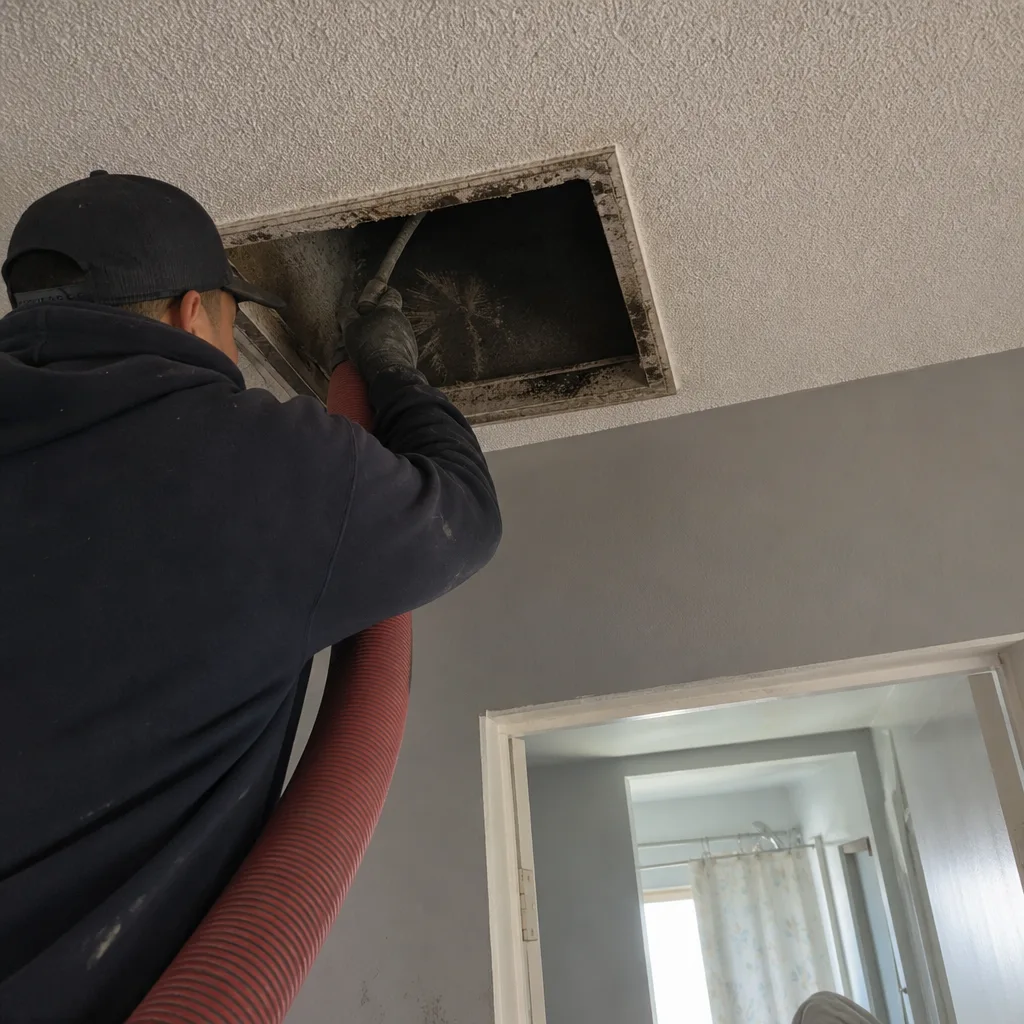 Before
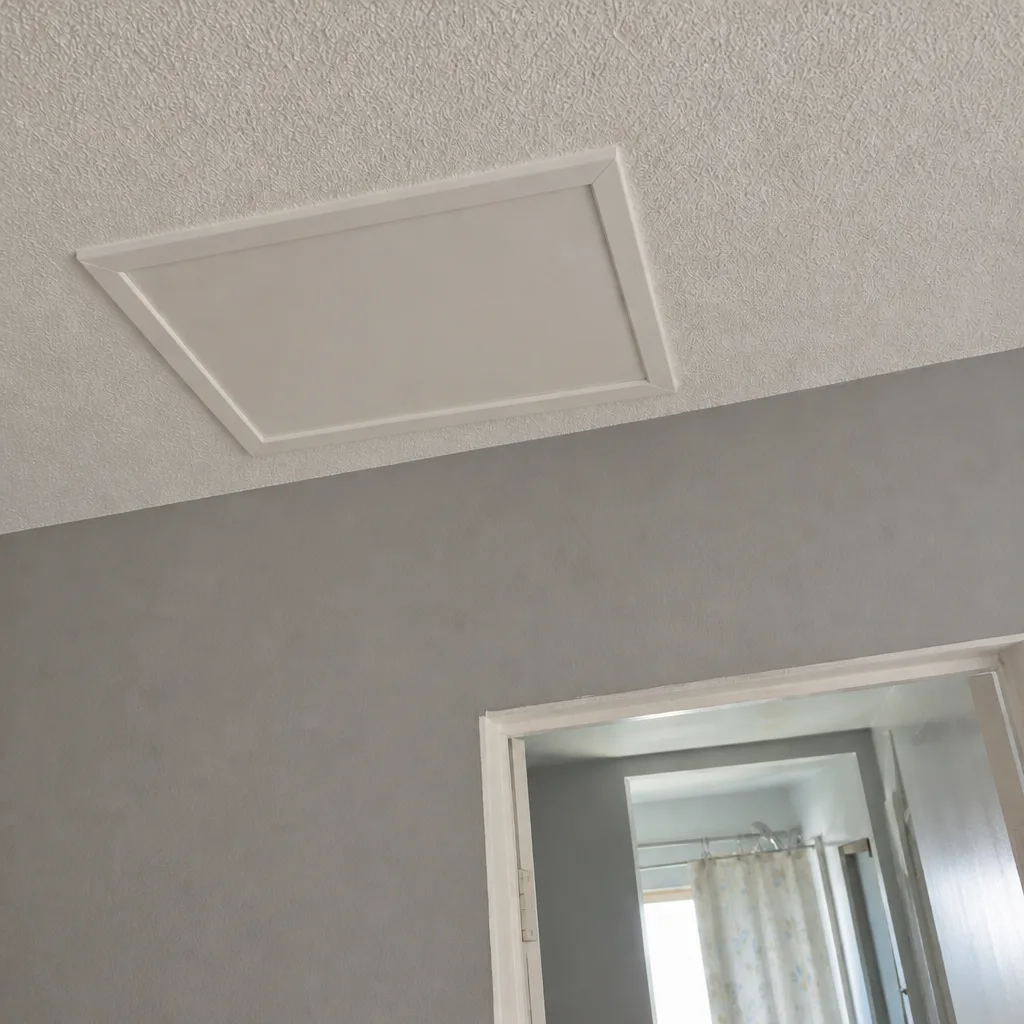 After
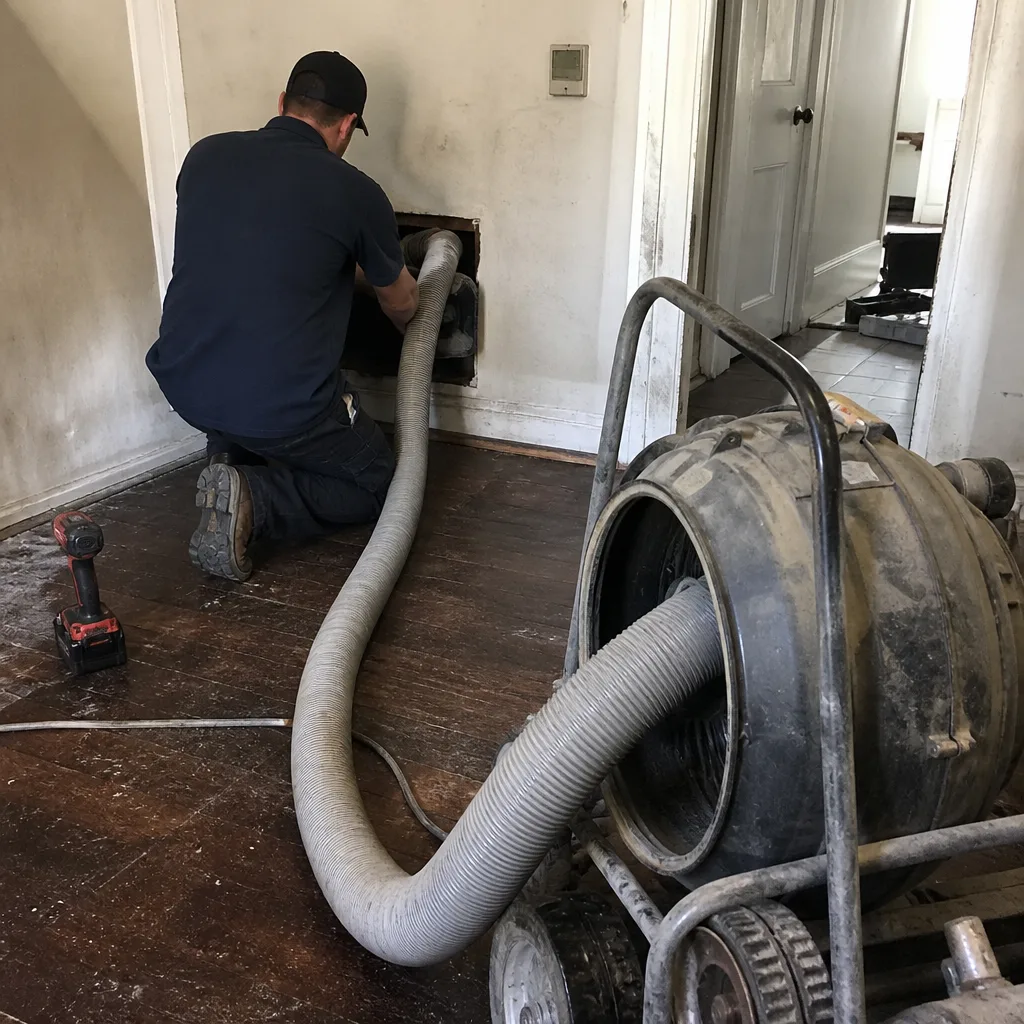 Before
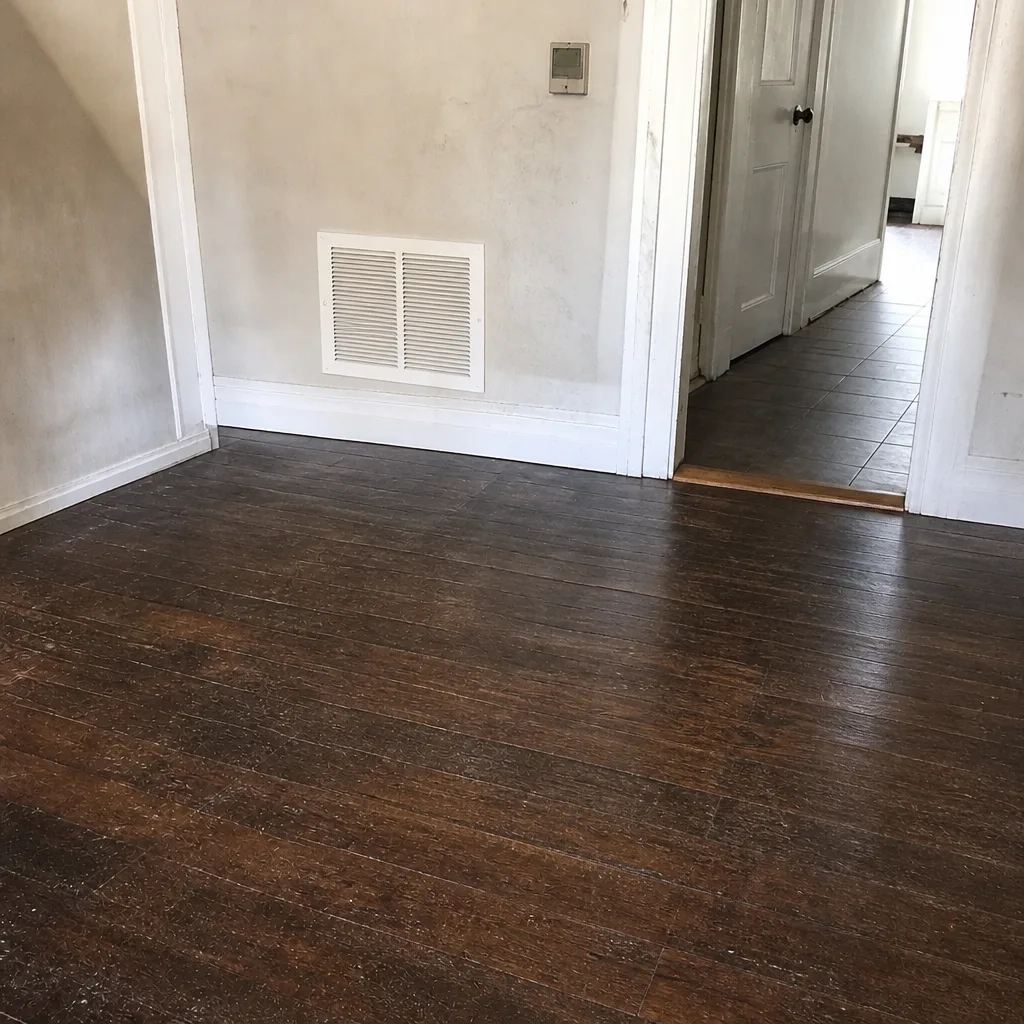 After
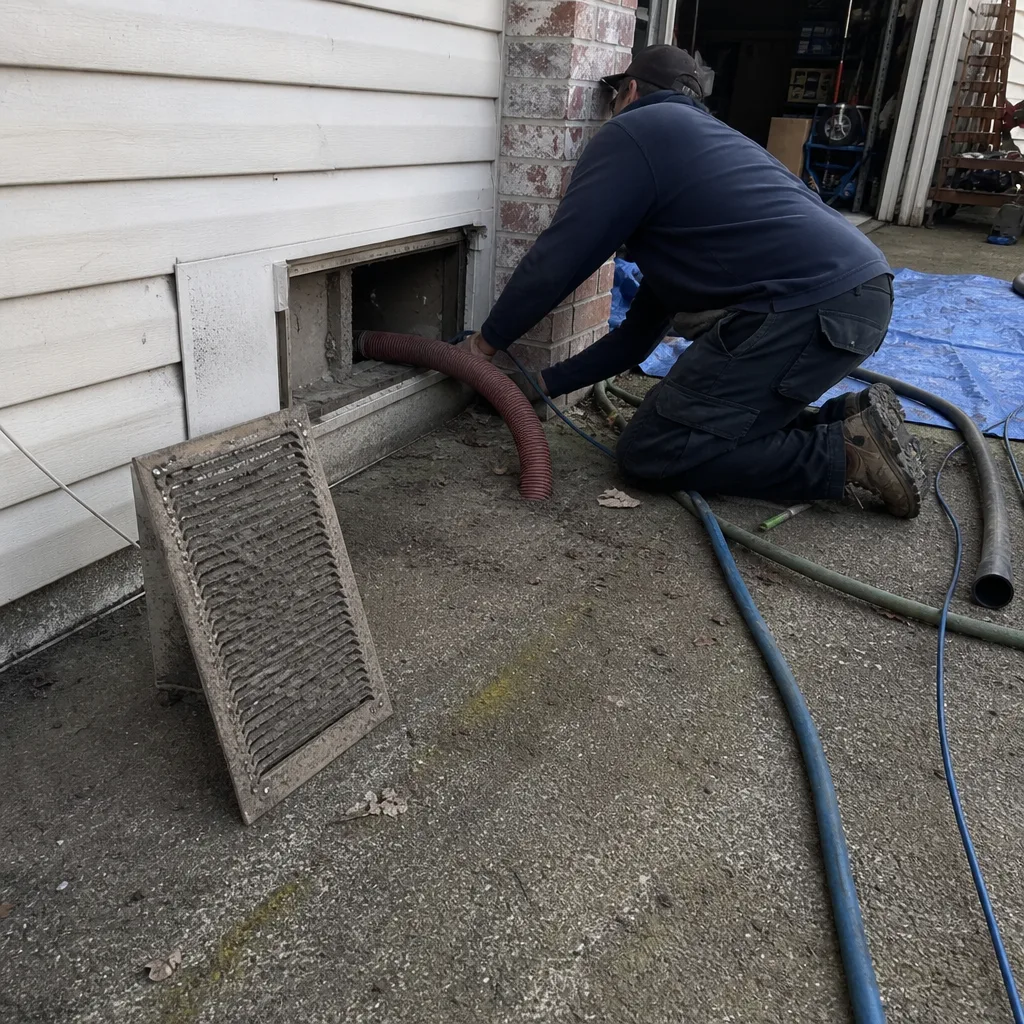 Before
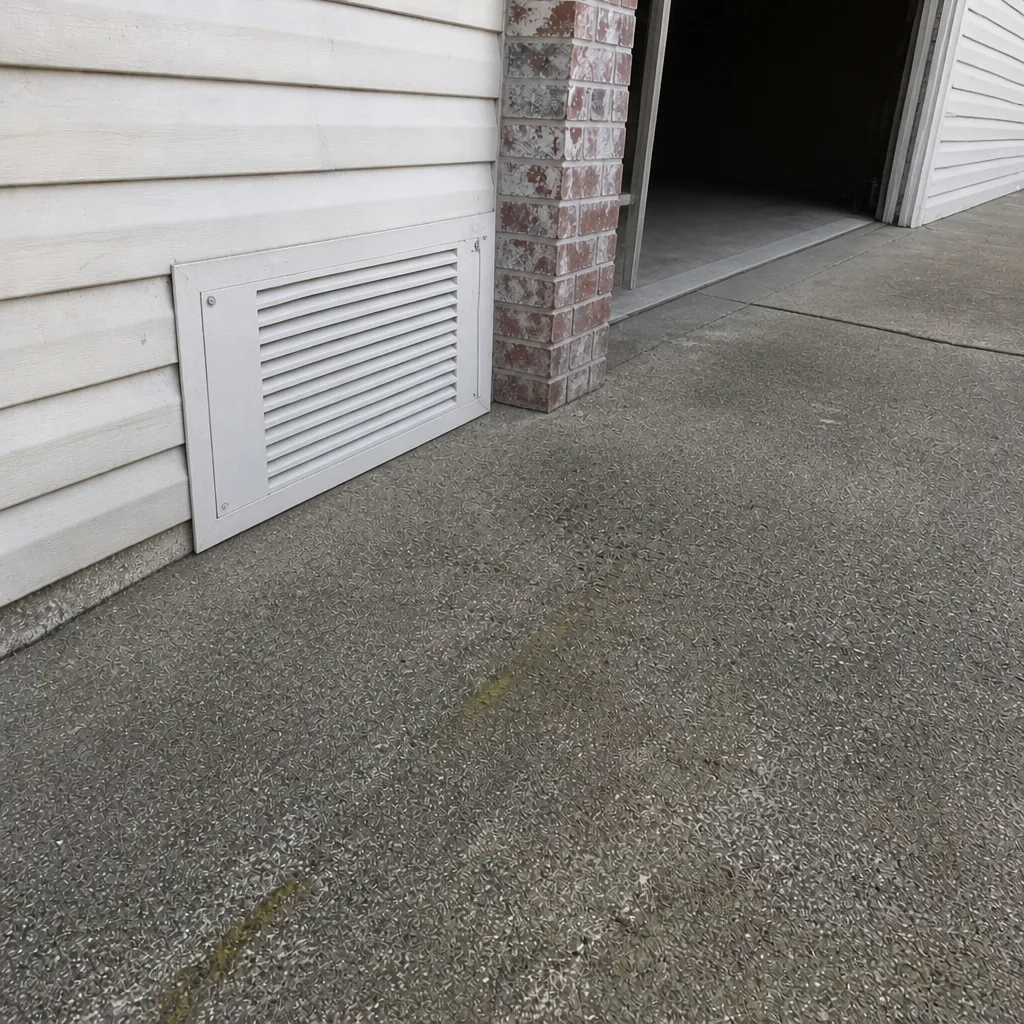 After
When to Call a Professional
Call when any of these are true: your ducts sat through a multi-day power outage in freezing weather, your home took on water near the Sandy River or Columbia floodplain, you can smell smoke indoors days after the outdoor air cleared, you can see torn insulation or crushed flex during a visual check, you’ve never had the system inspected and it might have undocumented leaks, or a fire or flood event affected any part of the system. Duct Cleaning Gresham offers free estimates in Gresham. Call (844) 523-1942. We answer 24/7. Fast dispatch from 7am to 7pm, Sunday through Friday.
Frequently Asked Questions
Most residential duct cleaning in Gresham runs in a range based on system size, the number of returns, and whether the system needs repair before or after cleaning. We quote one flat price per system, agreed before work starts, and never quote a per-vent price or a teaser coupon. That range is set in writing after a walkthrough, and the estimate is free. Call (844) 523-1942 for an exact quote; estimates are free.
Only if your duct system is sealed and the filter is matched to the equipment. For most older Gresham homes, the safer default during a heavy smoke event is to shut the system down and seal obvious exterior gaps; running recirculation through a leaky duct system often pulls more smoke in than it filters out. Call (844) 523-1942 if you want a technician to walk your system and tell you which case you’re in.
It depends on material and drying speed. Rigid sheet metal that held clean water and was dried within 24 to 48 hours is usually cleanable; flexible duct and duct board that took on water almost always need replacement because the material traps moisture. Any duct that held sewage or greywater should be replaced regardless of material. Call (844) 523-1942 for an inspection if you’re not sure which case applies.
Usually because the cheaper quote prices per vent, cuts scope during the visit, or skips repair capability entirely. A real duct cleaning quote should be one flat price per system with an agreed scope, before-and-after photos of your ducts, and the ability to fix what the inspection finds. Call (844) 523-1942 and we’ll walk through what the quote should include before you book anything.
You should receive before-and-after photos of your own duct system, not stock images, plus a walkthrough of the accessible runs. If a crew hasn’t opened anything you can see and hasn’t taken photos, the work is unverifiable. We provide both, and the written estimate sets the final price. Call (844) 523-1942 for an estimate that shows exactly what will be done.
There’s no universal calendar. Duct cleaning is condition-based: a documented trigger like a renovation, a smoke event, a flood, or visible debris in the system is what justifies it. A well-sealed system in a home with no events can go years without needing service. Call (844) 523-1942 and we’ll tell you honestly whether your system needs cleaning or just inspection.
The Bottom Line
Gresham’s emergency profile is specific: wildfire smoke, Sandy River and Columbia floodplain water, and freeze-thaw outages. Each leaves a different signature in the duct system, and the response to each is different. The common thread is documentation and inspection, not a cleaning coupon. Seal and document before the season, know your shutdown decision during an event, and call for inspection after. Our technicians have up to 15 years of experience, and we bring professional-grade systems from Rotobrush, Nikro, and Abatement Technologies to every job. Repair is part of the service, not a handoff to someone else.
Call (844) 523-1942 for a free estimate. We answer 24/7. Fast dispatch from 7am to 7pm, Sunday through Friday. One flat price per system, agreed before work starts.
Written by the team at Duct Cleaning Gresham.